
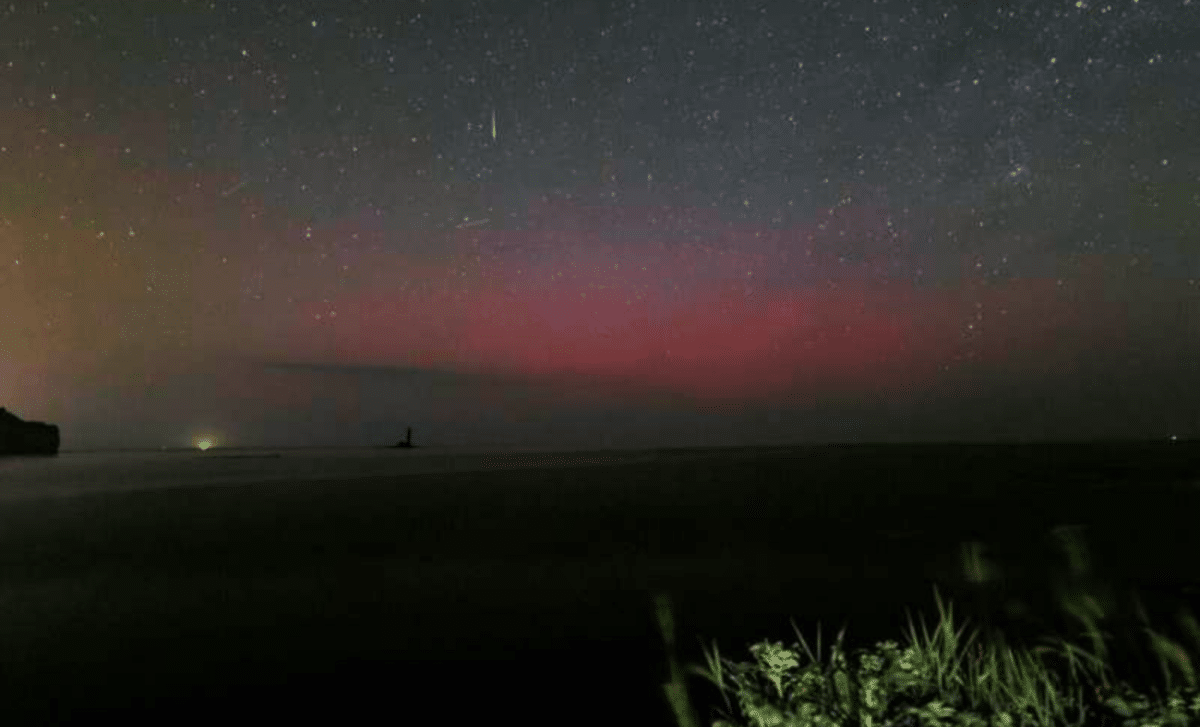
Between June 2024 and March 2025, Japan witnessed rare and striking red auroras reaching unprecedented altitudes, revealing that geomagnetic storms may have a hidden intensity beyond traditional measurements. This discovery, detailed in the Journal of Space Weather, was made possible by satellite observations and the efforts of keen-eyed citizen scientists. These impressive atmospheric lights not only create a stunning natural spectacle but also provide valuable new information about how solar activity affects Earth’s upper atmosphere.
Red Auroras Extend to Heights Once Thought Unreachable
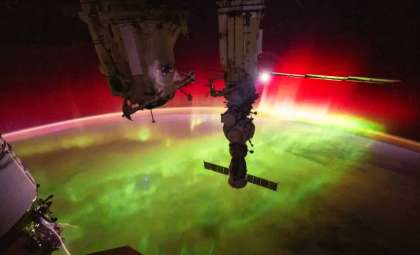
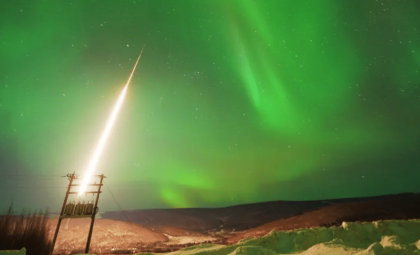
Typically appearing near the poles, auroras arise when solar charged particles interact with Earth’s magnetic field and its atmosphere. In Japan’s lower latitude regions, these events are generally dimmer and confined to altitudes between 200 and 400 kilometers. Researchers from Hokkaido University and the Okinawa Institute of Science and Technology discovered, however, that red auroras in Japan climbed much higher—between 500 and 800 kilometers above the surface.
“We found that red auroras can extend to extremely high altitudes even during those storms that are measured as moderately intense. I was really surprised because I didn’t expect such tall auroras to appear even during moderately intense storms,” says Tomohiro M. Nakayama, lead author of the study. “This suggests that these storms may actually be stronger than conventional indices indicate.”
Add Cosmo Herald as a Preferred Source

This finding questions earlier beliefs linking storm strength closely to aurora altitude, revealing that even storms rated as moderate can generate auroras at towering heights. It points to more intricate interactions within Earth’s magnetosphere than previously appreciated.
Influence of Solar Winds on Atmospheric Layers
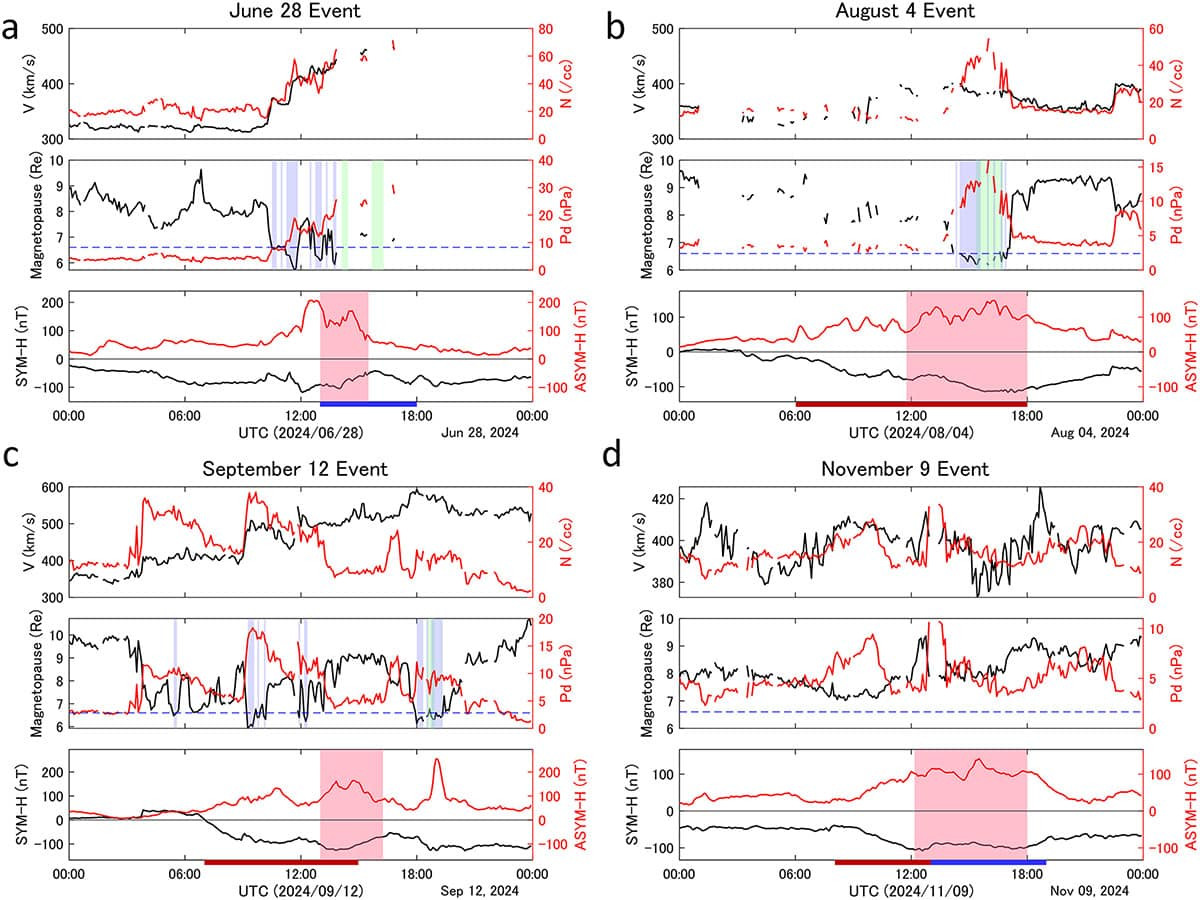
Investigating five auroral events near Hokkaido, scientists found that strong solar wind streams compressed Earth’s magnetic boundary more than expected. This compression caused heating in the upper atmosphere, raising the altitude where red auroras ignite to levels seldom recorded at lower latitudes.
The research implies that conventional geomagnetic storm indices mainly capture effects seen at lower atmospheric layers, potentially missing heightened impacts on upper regions. “Charged particle outflows might conceal the true severity of these storms, making them appear less intense than they really are,” the team explains. Such insights call for updated models addressing vertical storm impact variations.
Local Observers Shed Light on Extraordinary Events
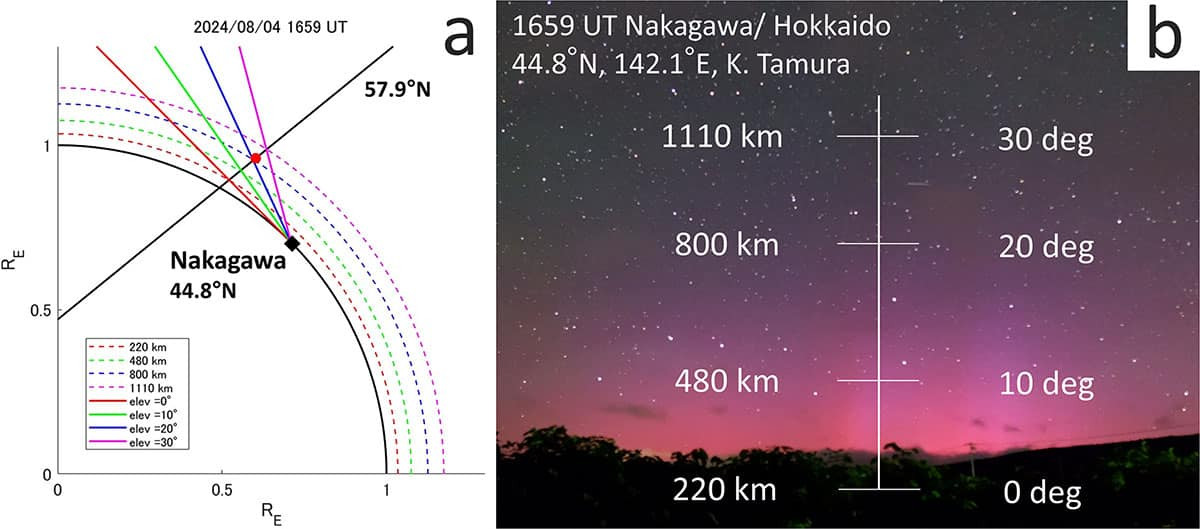
Extensive contributions from observers throughout Japan were vital to this study. By merging satellite data with images captured by citizen scientists, researchers were able to determine elevation angles and map the auroras along Earth’s magnetic field lines. This cooperative effort enabled precise reconstruction of the auroras’ remarkable heights.
Harnessing large-scale observation networks helps uncover infrequent auroral occurrences that standard monitoring might overlook. The study highlights how public involvement is becoming an essential asset in advancing space weather science, showing the impact enthusiastic individuals can have on innovative research.
Consequences for Satellites and Space Endeavors
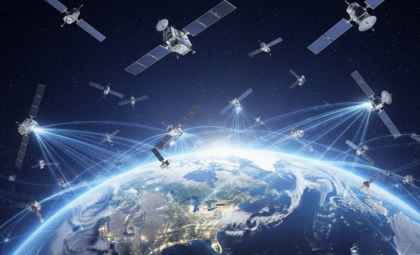
Beyond their captivating appearance, these auroras signal physical changes in Earth’s atmosphere. Heating and expansion of upper atmospheric layers increase drag forces on orbiting satellites, which can alter their trajectories and cause more rapid orbital decay.
“With the growing number of satellites in low Earth orbit, comprehending these effects becomes increasingly crucial,” says Nakayama. “Our results aim to improve space weather forecasts and help ensure safer satellite operation.” The observations emphasize that even moderate geomagnetic storms may significantly affect satellite communication, navigation, and long-term orbital management.
Enhancing Our Understanding of Space Weather
This investigation, published in the Journal of Space Weather, adds vital detail to our grasp of geomagnetic storm phenomena. Demonstrating that auroras can ascend far above expected altitudes during moderate events challenges current storm intensity indexes and advocates for refining monitoring systems.
As the sun’s activity continues to influence Earth’s magnetic environment, scientists hope these findings will contribute to better prediction of auroral displays, mitigate satellite risks, and deepen understanding of the sun–Earth connection.
- Categories:
- Space







0 comments
Sign in to Comment