
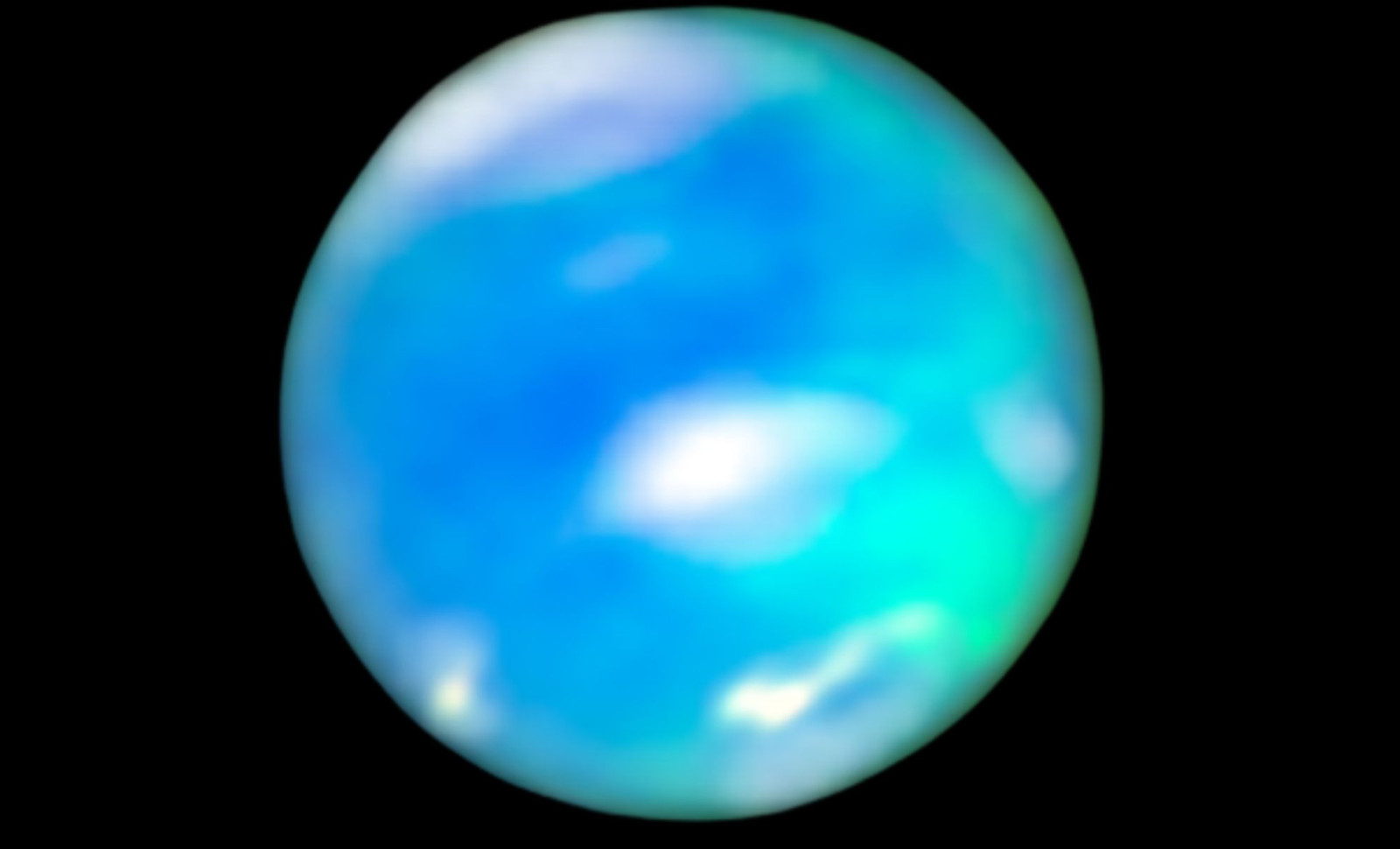
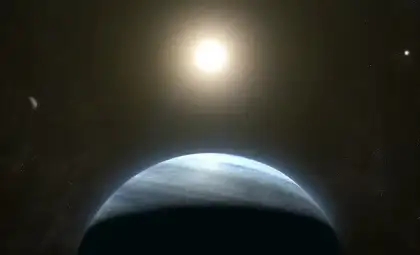
NASA’s James Webb Space Telescope has captured for the first time the elusive auroras on Neptune, solving a mystery that has persisted since hints emerged during the Voyager 2 mission in 1989. These new observations provide unprecedented insights into Neptune’s atmosphere and magnetic field, illuminating a hidden facet of the distant ice giant.
While scientists long theorized that Neptune hosts auroras similar to those on other giant planets, direct evidence was lacking. Generated by solar wind particles interacting with Neptune’s magnetic environment, these auroras had remained undetected until Webb’s sophisticated infrared instruments revealed them with remarkable clarity.
Revealing Neptune’s Unique Auroral Displays
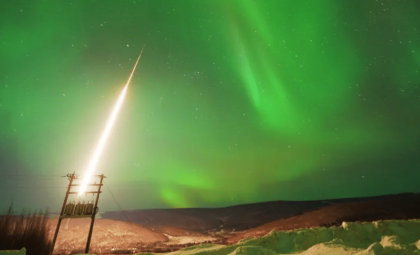
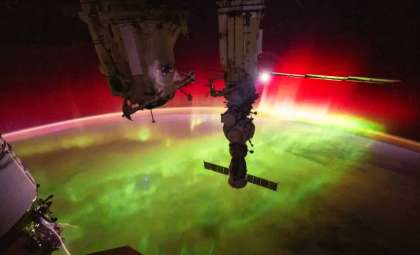
Auroras form when charged particles from the Sun are funneled by a planet’s magnetic field into its atmosphere, creating glowing light shows. On Earth, these effects typically appear near the poles. However, Neptune’s auroras are found at mid-latitude regions, distinguishing them from auroras seen on other worlds.

A NASA release notes that this breakthrough was enabled by the James Webb telescope’s Near-Infrared Spectrograph, which captured the auroras in exceptional detail. Henrik Melin of Northumbria University, who led the research, expressed amazement at the clarity achieved.
“It was so stunning to not just see the auroras, but the detail and clarity of the signature really shocked me,” he said.
The study, featured in Nature Astronomy, reports that the infrared sensitivity of Webb also enabled the detection of trihydrogen cation (H3+), a molecule associated with auroral occurrences on other gas planets like Jupiter and Saturn.
“H3+ has a been a clear signifier on all the gas giants — Jupiter, Saturn, and Uranus — of auroral activity, and we expected to see the same on Neptune as we investigated the planet over the years with the best ground-based facilities available,” noted Heidi Hammel, an interdisciplinary scientist for Webb at the Association of Universities for Research in Astronomy.
A Singular Magnetic Field Drives Neptune’s Auroras
Neptune’s auroras differ from those on many other planets due to its uniquely tilted magnetic field, first observed during the Voyager 2 flyby. Unlike planets with magnetic fields aligned close to their rotation axis, Neptune’s magnetic field is offset by 47 degrees. This tilt causes the auroras to appear far from the planet’s poles. Hammel elaborated on how this influences the location of the auroras.
“Since auroral activity is based where the magnetic fields converge into the planet’s atmosphere, Neptune’s auroras are far from its rotational poles,” said the U.S Space Agency.
Cooling Trends in Neptune’s Upper Atmosphere
Further Webb data revealed that Neptune’s upper atmosphere has cooled significantly since Voyager 2’s visit, with temperatures in 2023 measured at roughly half of those recorded 30 years earlier. This atmospheric cooling may partly explain why Neptune’s auroras remained hidden for so long.
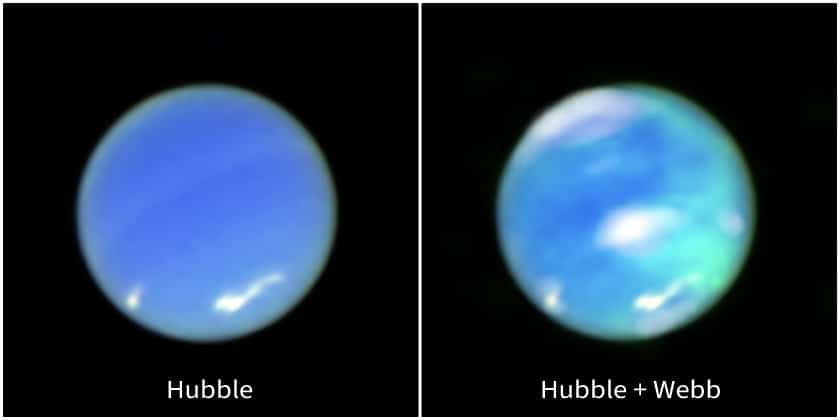
“A substantially colder temperature would result in much fainter aurorae,” the authors said. “This cold temperature is likely the reason that Neptune’s aurorae have remained undetected for so long.”
The observed temperature drop highlights Neptune’s atmospheric variability despite its great distance—over 30 times farther from the Sun than Earth. Webb’s findings offer exciting new directions for exploring the planet’s magnetosphere and atmospheric processes. Its infrared imaging capabilities have provided an unprecedented look at Neptune’s magnetic influence and climate conditions.
Scientists anticipate continued Webb observations over the upcoming solar cycle will expand understanding of how Neptune’s magnetic field originates and explain more of its distinctive features.
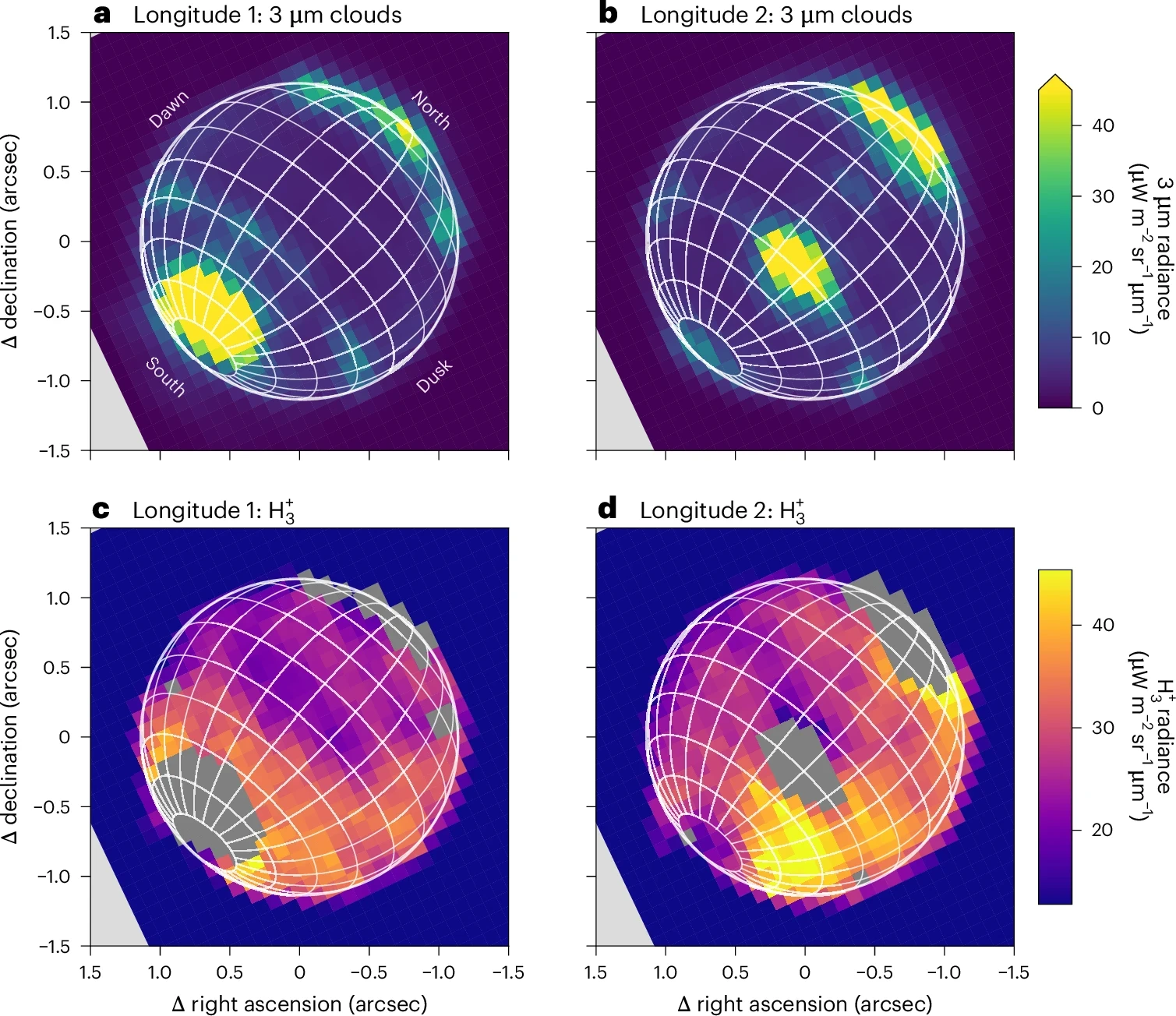
As we look ahead and dream of future missions to Uranus and Neptune, we now know how important it will be to have instruments tuned to the wavelengths of infrared light to continue to study the auroras,” concluded Leigh Fletcher of Leicester University, co-author on the paper. “This observatory has finally opened the window onto this last, previously hidden ionosphere of the giant planets.”
- Categories:
- Space






0 comments
Sign in to Comment