
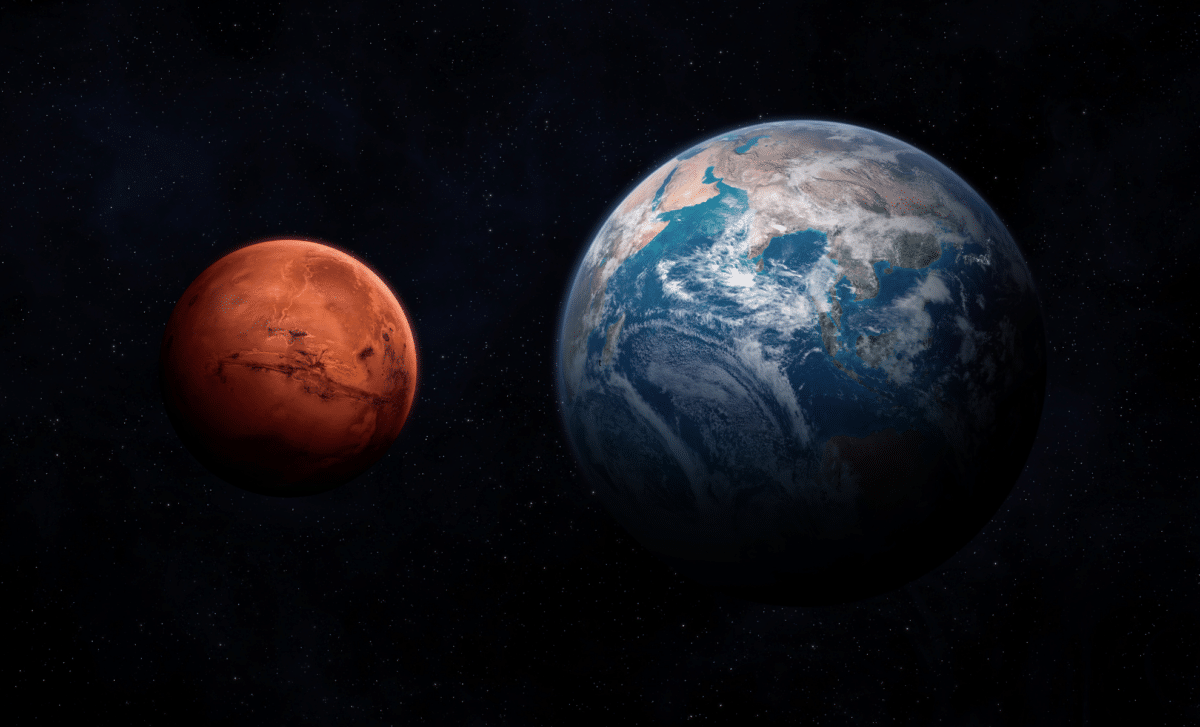
Although time often feels unchanging, a recent investigation published December 1 in The Astronomical Journal reveals that time advances differently on Mars than on Earth. This groundbreaking research is rooted in Einstein’s general theory of relativity and carries significant consequences for space missions, navigation accuracy, and our cosmic perspective. As scientists delve deeper into the nuances of time on Mars, these insights are transforming our understanding of continuity, space, and the prospects of interplanetary journeys.
Gravity’s Influence: How Mass and Distance Affect Time
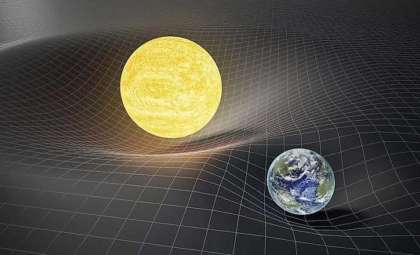
Time does not flow uniformly across the universe. It is affected by the presence of mass and gravitational forces, a key insight derived from Albert Einstein’s general relativity. While time seems consistent on Earth, Mars experiences a different temporal rhythm due to its weaker gravitational field. Since stronger gravity slows time and weaker gravity accelerates it, Mars’ smaller mass results in less gravitational pull, causing clocks on the Martian surface to run slightly faster.
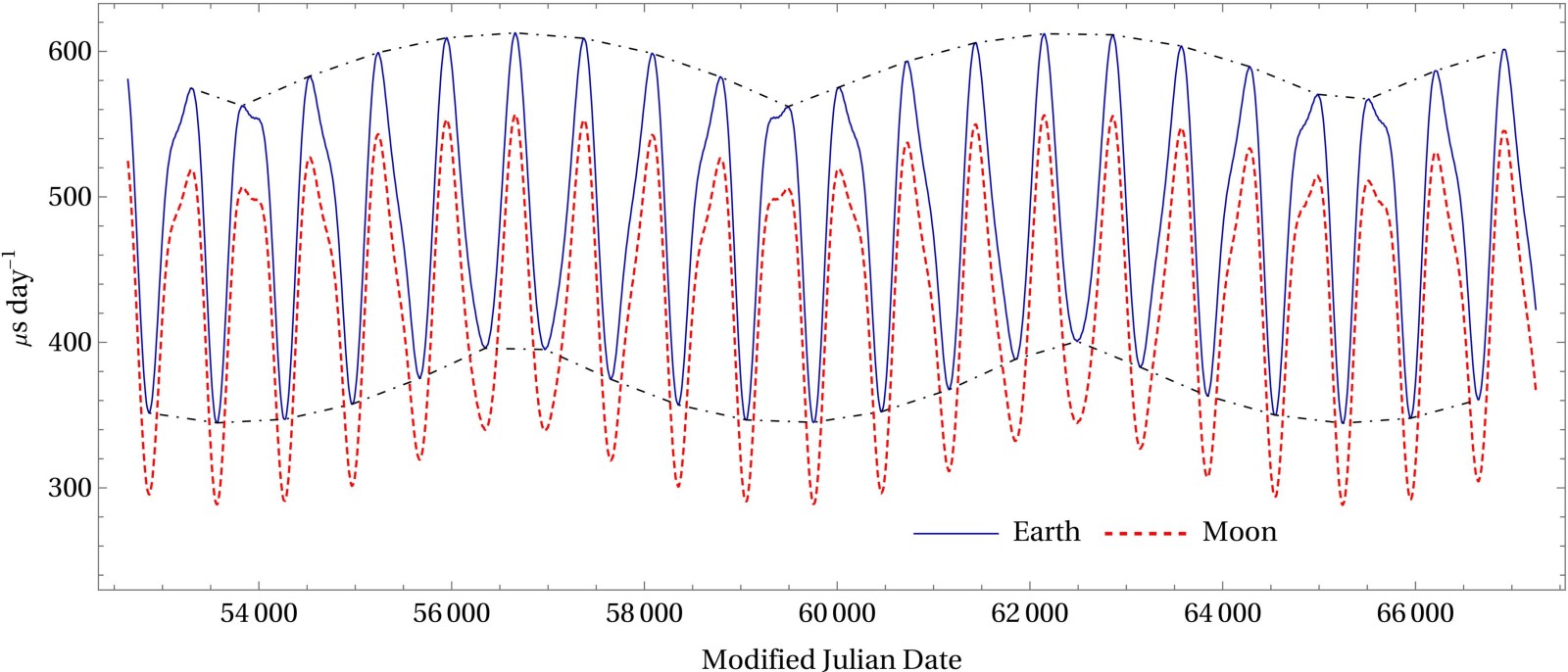
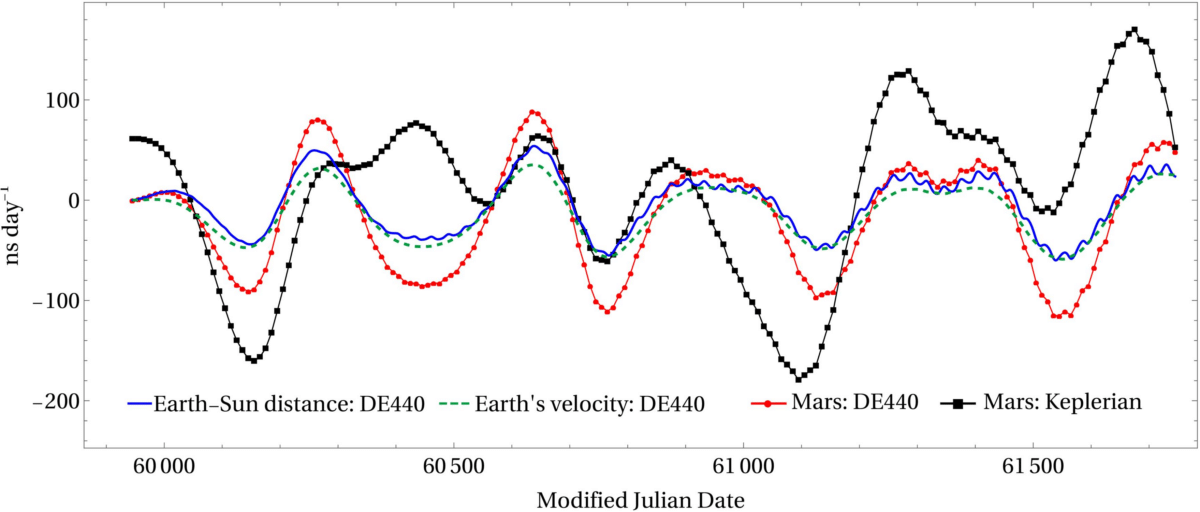
Beyond gravity, time on Mars is further shaped by the planet’s elliptical orbit and its varying distance from the Sun. The study, featured December 1 in The Astronomical Journal, examines how Mars’s orbital eccentricity amplifies temporal variations, with closer proximities to the Sun causing more noticeable shifts in time measurement.

“Mars’ distance from the sun and its eccentric orbit make the variations in time larger,” said Patla, the study’s lead author.
These insights highlight how subtle disparities in gravitational environments and orbital paths have significant impacts on precise timekeeping.
Precision Challenges in Space Travel and Timing
As humanity gears up for manned Mars expeditions and visits to other celestial bodies, high-precision navigation will be crucial. The study’s outcomes hold considerable importance for future interplanetary missions that require timing systems as reliable as Earth’s GPS technology. Mars’ unique gravity and orbit-induced discrepancies will substantially affect these systems’ accuracy.
Patla elaborated,
“A three-body problem is extremely complicated. Now we’re dealing with four: the sun, Earth, the moon, and Mars. The heavy lifting was more challenging than I initially thought.”
This intricate interplay among multiple celestial bodies complicates maintaining exact timekeeping necessary for successful navigation of spacecraft, rovers, and landers. Thorough understanding of how time behaves on Mars compared to Earth is vital for operational success.
“Like current global navigation systems like GPS, these systems will depend on accurate clocks, and the effects of clock rates can be analyzed with the help of Einstein’s General Theory of Relativity,” said Ashby, a co-author of the study.
This research is a cornerstone for future space efforts where timing precision is essential.
Advancing the Frontier of Space Science
The implications of this study extend beyond timekeeping, influencing the overarching aims of space colonization and exploration. Looking forward to establishing human presence on Mars and beyond, grasping the physics of time on these worlds is indispensable. The article emphasizes this future challenge:
“It may be decades before the surface of Mars is covered by the tracks of wandering rovers, but it is useful now to study the issues involved in establishing navigation systems on other planets and moons.”
By addressing these complexities now, researchers are paving the way for humanity’s eventual expansion into the solar system, ensuring readiness for the challenges of human exploration of Mars.
Patla also highlighted the timeliness of the study: “The time is just right for the moon and Mars,” he said. “This is the closest we have been to realizing the science-fiction vision of expanding across the solar system.”
With rapid technological progress and scientific advancements, the notion of colonizing Mars and further destinations feels increasingly achievable, though it requires overcoming significant obstacles, including precise temporal measurement and navigation through deep space.
- Categories:
- Physics


0 comments
Sign in to Comment