
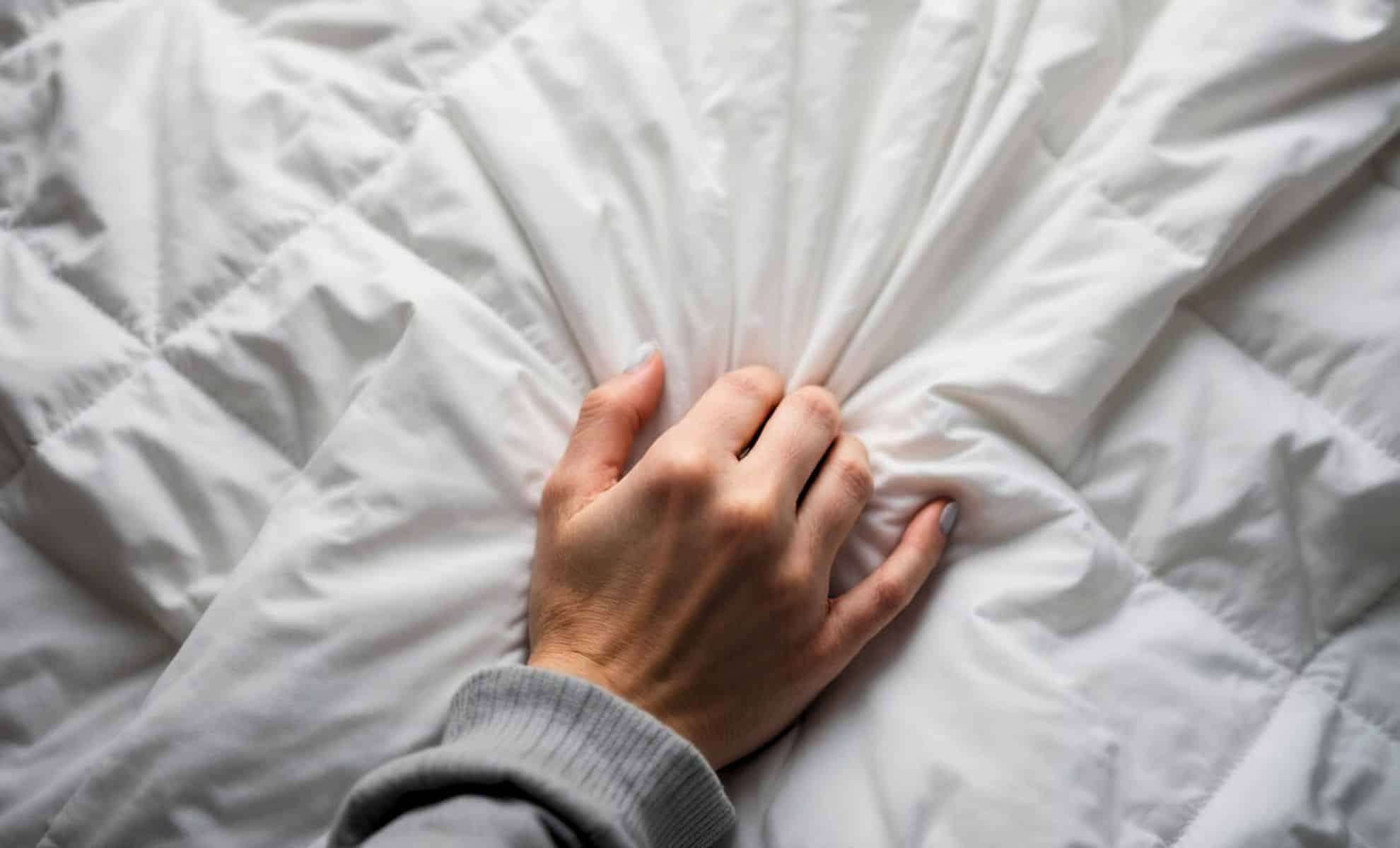
Across leading European luxury hotels, a familiar bedroom staple is quietly disappearing—the classic duvet. From iconic destinations like Paris to the French Riviera, upscale accommodations are embracing innovative bedding designs that prioritize breathability and layering over traditional comforters, addressing guest comfort in a more dynamic way.
This shift moves beyond aesthetics, reflecting a science-informed approach to improving sleep through better temperature control and adapting to evolving traveler preferences. Experts consider this a fundamental change in defining premium comfort for the modern guest.
Sleep Personalization Takes Center Stage
Once synonymous with luxury bedding, the duvet is increasingly viewed as less ideal among top-tier hotels seeking tailored rest experiences. Research shared by theSleep Foundation highlights how regulating body temperature by preventing overheating can enhance sleep quality and speed up falling asleep. High-end hotels now view their bedding as an essential part of delivering wellness, customization, and eco-consciousness to guests.

“People want to sleep in a way that suits them,” says Claire Lemaitre, design consultant for several European luxury hotels. “A thick duvet doesn’t always work, especially in summer. It’s not breathable, and it often doesn’t look right in a room designed for lightness and flow.”
Replacing the duvet is not a singular item but an adaptable system: combinations of lightweight quilts, natural fibre throws, crisp percale or linen sheets, and in some cases, weighted blankets. This layered approach lets guests customize their bedding according to temperature and preference while maintaining sophisticated room aesthetics.
Layered Bedding Benefits: Hygiene and Style
The trend towards layers also reflects operational advantages. Unlike bulky duvets demanding dry cleaning and less seasonally versatile, layers of lighter bedding can be frequently laundered in standard machines, enhancing cleanliness—an increasingly vital factor after the pandemic.
“Everything that touches the guest needs to feel fresh, clean and light,” explains Jérôme Charvet, general manager of a boutique Marseille hotel. “The duvet is just not as flexible. Guests are staying longer and paying more attention to how things feel and smell.”
On the design front, many hotels favor minimalist or nature-inspired interiors where layered linens, textured throws, and earth-tone plaids offer a better fit than a cumbersome duvet. Scandinavian and Japanese influences—focusing on breathable fabrics and serene aesthetics—are steadily informing these choices.
Weighted Blankets: From Therapy Aid to Luxury Essential
Weighted blankets, once popular mainly for anxiety and sleep disorder relief, are now gaining traction in luxury hospitality. Research from Harvard Medical School and Karolinska Institute indicates these blankets can enhance sleep by boosting serotonin and melatonin while lowering cortisol.
Hotels are introducing versions filled with natural materials, covered in breathable organic cotton, and designed to blend elegantly with room décor. The goal is to offer guests a soothing, indulgent feel rather than a clinical one, often helping travelers relax in unfamiliar environments.
When paired with ultralight duvets or seasonal quilts, these blankets enable hotels to create bespoke sleep settings that align with both seasonal changes and personal comfort.
Trends in Home Bedding Reflect Hotel Innovations
This movement extends beyond the hospitality sector. Leading home brands like Zara Home, H&M Home, and Maisons du Monde now feature bedding collections inspired by luxury hotel innovations, including cotton gauze, washed linen, and versatile layering kits.
With rising energy costs and sustainability concerns influencing household choices, more consumers prefer regulating temperature through strategic layering rather than heavy heating. The reasons causing hotels to move away from duvets are increasingly influencing residential bedrooms.
While the traditional duvet is far from extinct, it is gradually making room for a new sleeping paradigm focused on flexibility, calmness, and understated elegance.
- Categories:
- News













0 comments
Sign in to Comment