
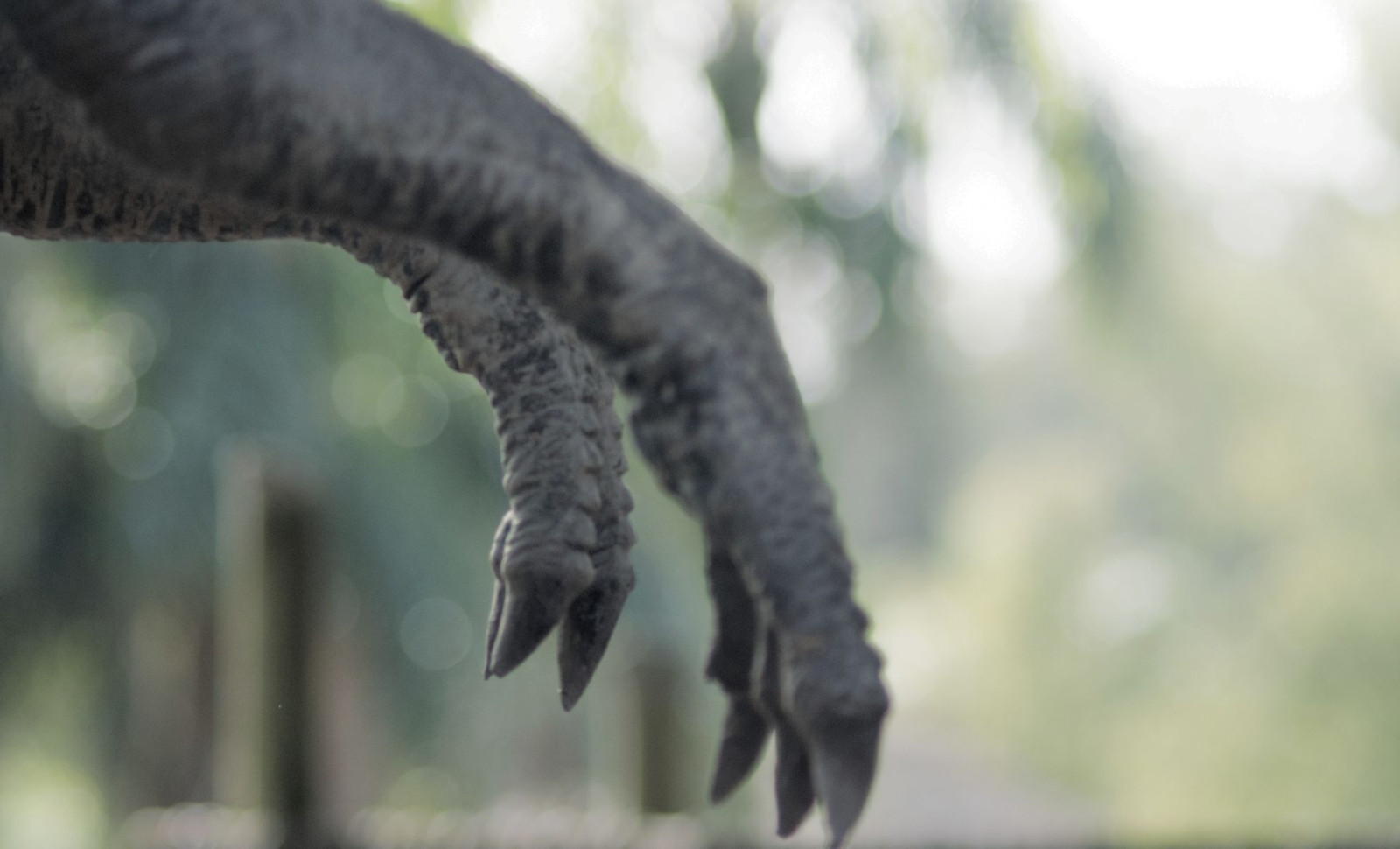
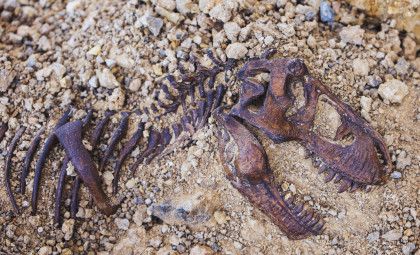
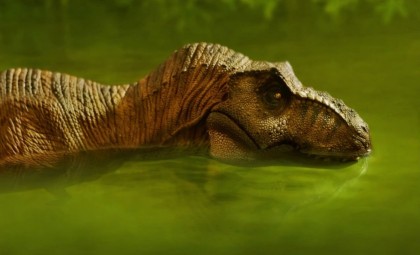
The remarkably small forelimbs of Tyrannosaurus rex have long been a scientific enigma. Recent research offers a straightforward explanation: these apex predators may have evolved powerful jaws that rendered their forelimbs less necessary.
Scientists from University College London (UCL) and the University of Cambridge examined 82 theropod species—the bipedal carnivorous dinosaurs that include T. rex. Their results, featured in the Proceedings of the Royal Society B, demonstrate that multiple predator groups evolved shortened arms in tandem with increasingly robust skulls and stronger bite forces.
Past hypotheses about the iconic short arms in T. rex range from roles in feeding techniques to mating behavior or balance assistance. This new study took a comparative approach, analyzing various dinosaur lineages to uncover broader evolutionary trends.

Reduced Forelimbs Linked to Enhanced Skull Strength
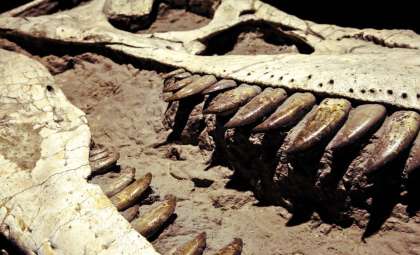
A clear pattern emerged: carnivores with diminished arms consistently showed more massive and robust cranial structures. To explore this, the researchers created a measurement system considering bite strength, skull morphology, and the degree of cranial bone fusion.
Among all dinosaurs assessed, T. rex exhibited the strongest skull structure. Another notable giant predator, Tyrannotitan from modern-day Argentina, followed closely. Lead researcher Charlie Roger Scherer, a PhD candidate in UCL Earth Sciences, explained the concept plainly:
“”We sought to understand what was driving this change and found a strong relationship between short arms and large, powerfully built heads. The head took over from the arms as the method of attack. It’s a case of ‘use it or lose it’ — the arms are no longer useful and reduce in size over time.”
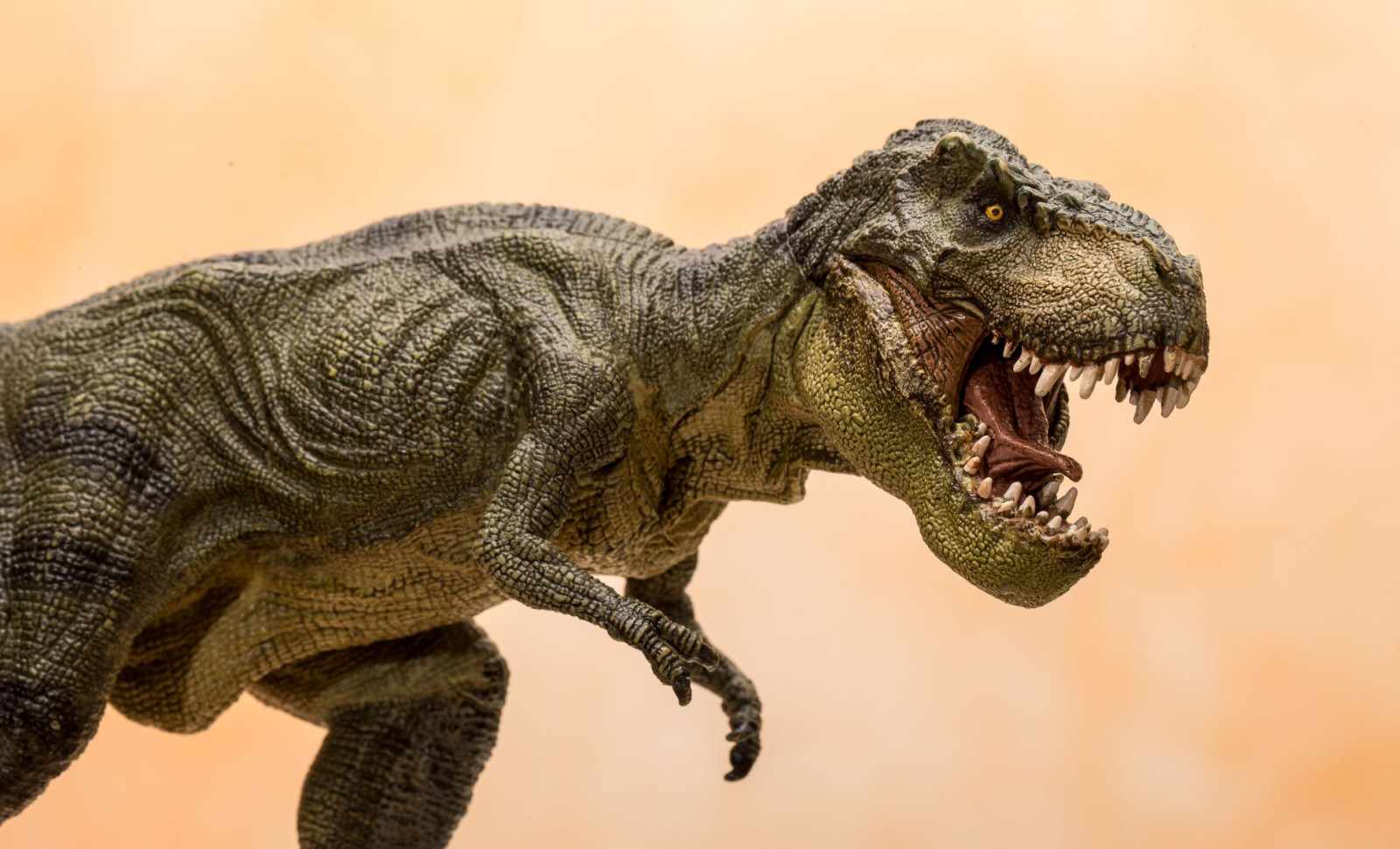
The team proposes that the emergence of massive plant-eating dinosaurs drove predators to develop stronger jaw mechanics that could crush prey more effectively. Consequently, forelimbs became less critical in hunting strategies over millions of years.
Tiny Arms Evolved Repeatedly Across Predator Groups
The findings reveal that T. rex was not unique in evolving miniature arms. Several predatory dinosaur families independently developed similarly reduced forelimbs, including tyrannosaurids, abelisaurids, carcharodontosaurids, megalosaurids, and ceratosaurids.
One famous example is Carnotaurus, a South American carnivore known for having forelimbs smaller than those of T. rex. Another species investigated, Majungasaurus, which lived in Madagascar approximately 70 million years ago, weighed a modest 1.6 tons but still possessed notably tiny arms alongside a robust skull.
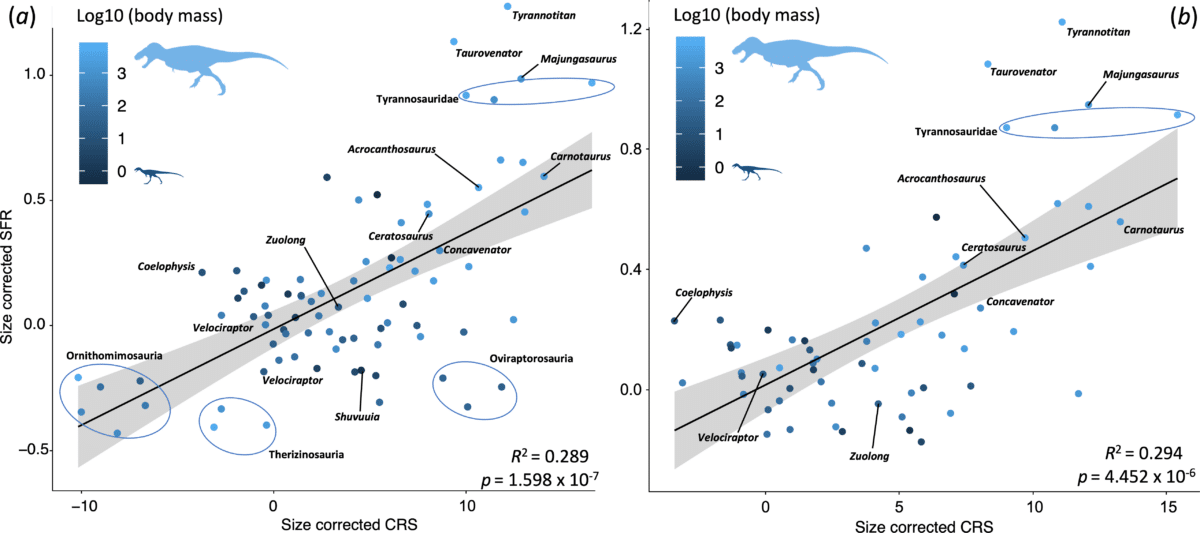
These findings are significant because they demonstrate that limb reduction was not restricted to the largest hunters. The study also determined that skull durability has a stronger association with arm shortening than overall body size.
Diverse Evolutionary Paths Shaped Forelimb Reduction
Although multiple theropod clades evolved diminutive forelimbs, the anatomical changes occurred via distinct patterns. For instance, abelisaurids primarily lost length in the hands and lower arm segments past the elbow. Species like Majungasaurus evolved dramatically reduced hand structures.
Conversely, tyrannosaurids showed a more uniform reduction across the whole forelimb. This indicates different evolutionary trajectories led separate lineages to comparable adaptations.
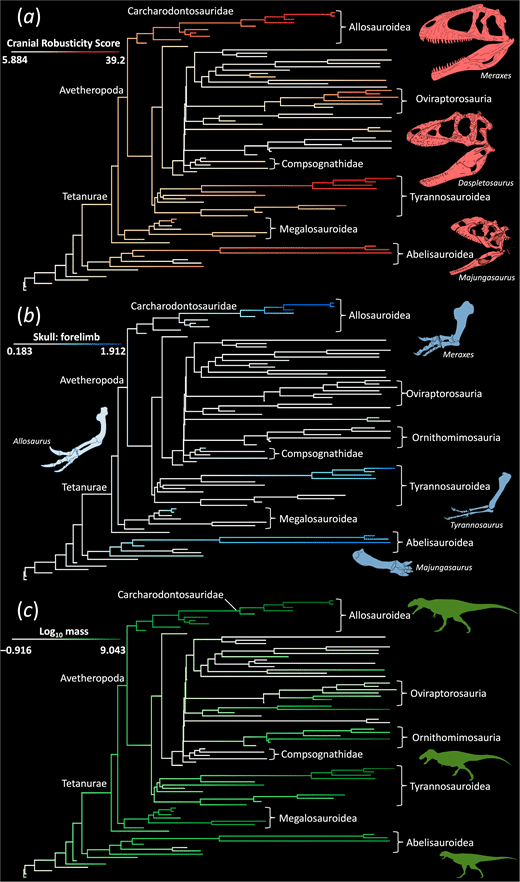
The study further suggests that the development of stronger skulls likely preceded significant arm shrinking. As Scherer noted, these predators would have only discarded a functional hunting appendage once a more effective mechanism had evolved.
- Categories:
- Science








0 comments
Sign in to Comment