
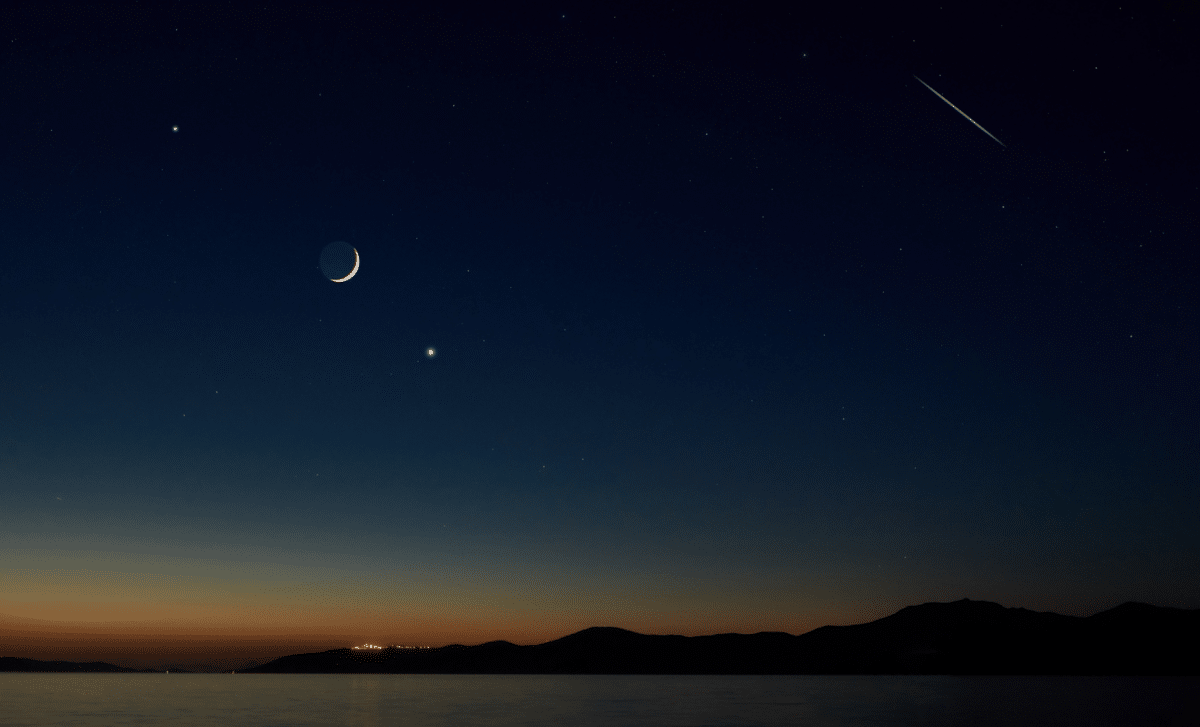
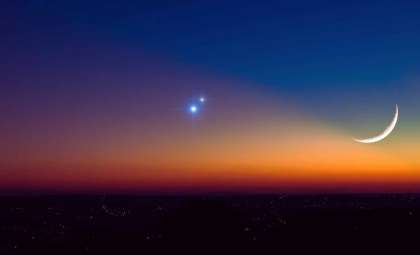
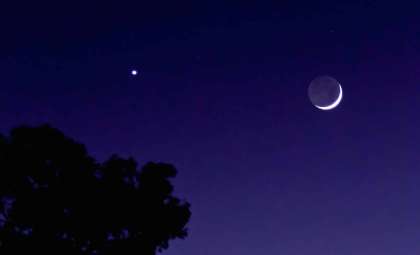
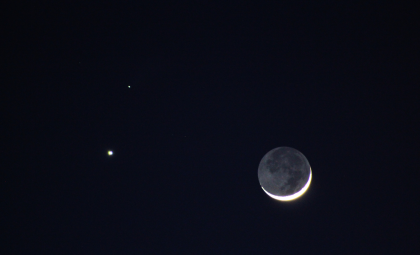
Before sunrise on May 14, stargazers around the globe will have the opportunity to see a rare alignment featuring Mars, Saturn, and a slim crescent moon appearing in the eastern sky. This celestial trio will assemble into a visually captivating triangle just before daylight dims the display, according to Space.com.
Early Morning Sky to Host a Striking Planet-Moon Trio
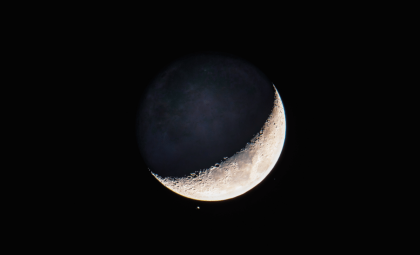
An 8% illuminated waning crescent moon will hover just above the eastern horizon during pre-dawn hours. To its lower right, Saturn will shine with notable brightness, while the reddish Mars will be visible slightly to the left and a bit lower. These three bodies will form a distinct triangular shape that can be easily spotted without any optical aid, provided the sky remains clear.
Since the alignment happens very close to sunrise, catching it requires precise timing. A clear, unobstructed eastern view is essential, as this grouping will not rise beyond 20 degrees above the horizon at dawn. Structures, foliage, or topography could block this brief glimpse, and the shifting light of dawn will create a beautiful but fleeting backdrop, as the sun begins to brighten the sky.

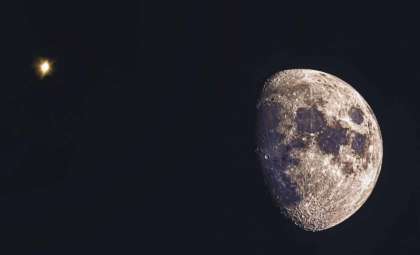
While astronomers often call such close apparent groupings conjunctions, the planets and moon are still millions of miles apart in reality. Yet their proximity from our viewpoint makes for a captivating spectacle, especially with two visible planets set alongside the delicate crescent moon.
Neptune Shares the Space But Remains Hidden to the Naked Eye
Though the main feature is the triangular trio, Neptune will also be in the vicinity, about 10 degrees to the right of the crescent. Its faint glow will be overwhelmed by the brightening sky, rendering it invisible without specialized telescopes or binoculars under pre-dawn conditions.
Neptune typically appears as a small bluish dot through optical devices, but on May 14 the increasing dawn light will make it almost impossible to detect. Thus, Mars, Saturn, and the moon will dominate the scene for most viewers.
According to reports shared by Space.com, the arrangement of these celestial bodies will shift subtly as the Earth rotates, so the exact positions will change minute by minute as sunrise approaches. This creates a limited observational window favoring early risers eager to watch the dawn sky.
This event coincides with the last phase before the new moon on May 16, after which the lunar crescent will nearly vanish from view. Meanwhile, Mars and Saturn will slowly continue their movement apart in the constellation Pisces.
Viewing Safety: Why Experts Recommend Watching Without Optical Tools
Though tempting to grab a telescope or binoculars, experts warn against using magnifying devices near sunrise. Accidentally looking at the sun through optics can cause irreversible eye harm.
Since the planets and moon will lie low above the horizon close to daylight, the risk of sunlight exposure through gadgets increases. Observing with the naked eye is safer and effective, and photography enthusiasts can attempt shots with smartphones or wide-angle cameras before direct sunlight intrudes.
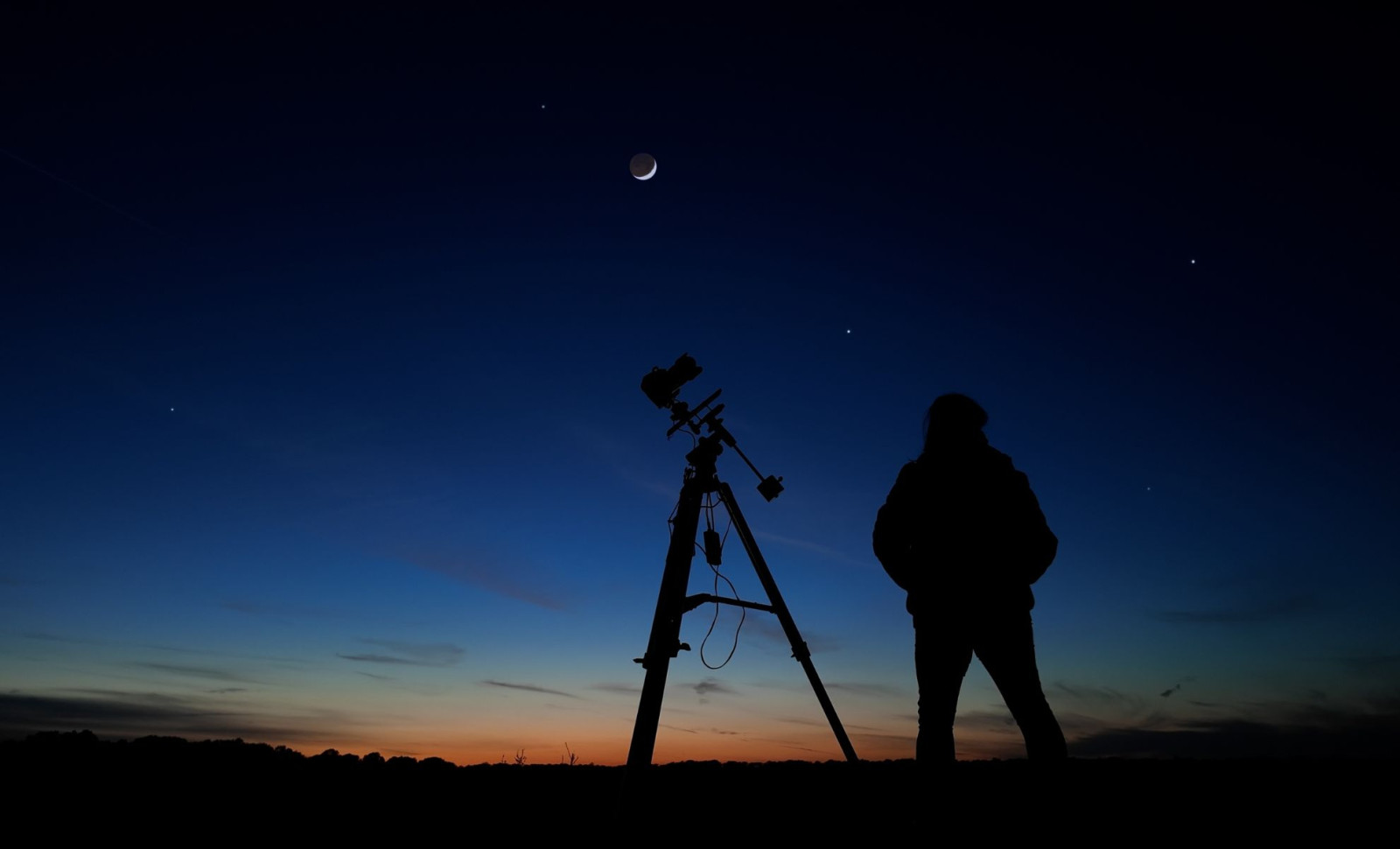
Photographers aiming to capture this event should plan ahead, choosing open areas such as beaches, hilltops, or open fields with clear eastern views. The interplay of the crescent moon, the planets’ colors, and the colorful twilight sky can yield stunning images during the short visibility period.
Planetary alignments continue to fascinate observers worldwide, turning abstract astronomical motions into accessible and emotional experiences. Unlike deeper space events requiring advanced gear, these alignments let millions appreciate the solar system’s choreography using just their eyes and a clear sky.
- Categories:
- News





0 comments
Sign in to Comment