
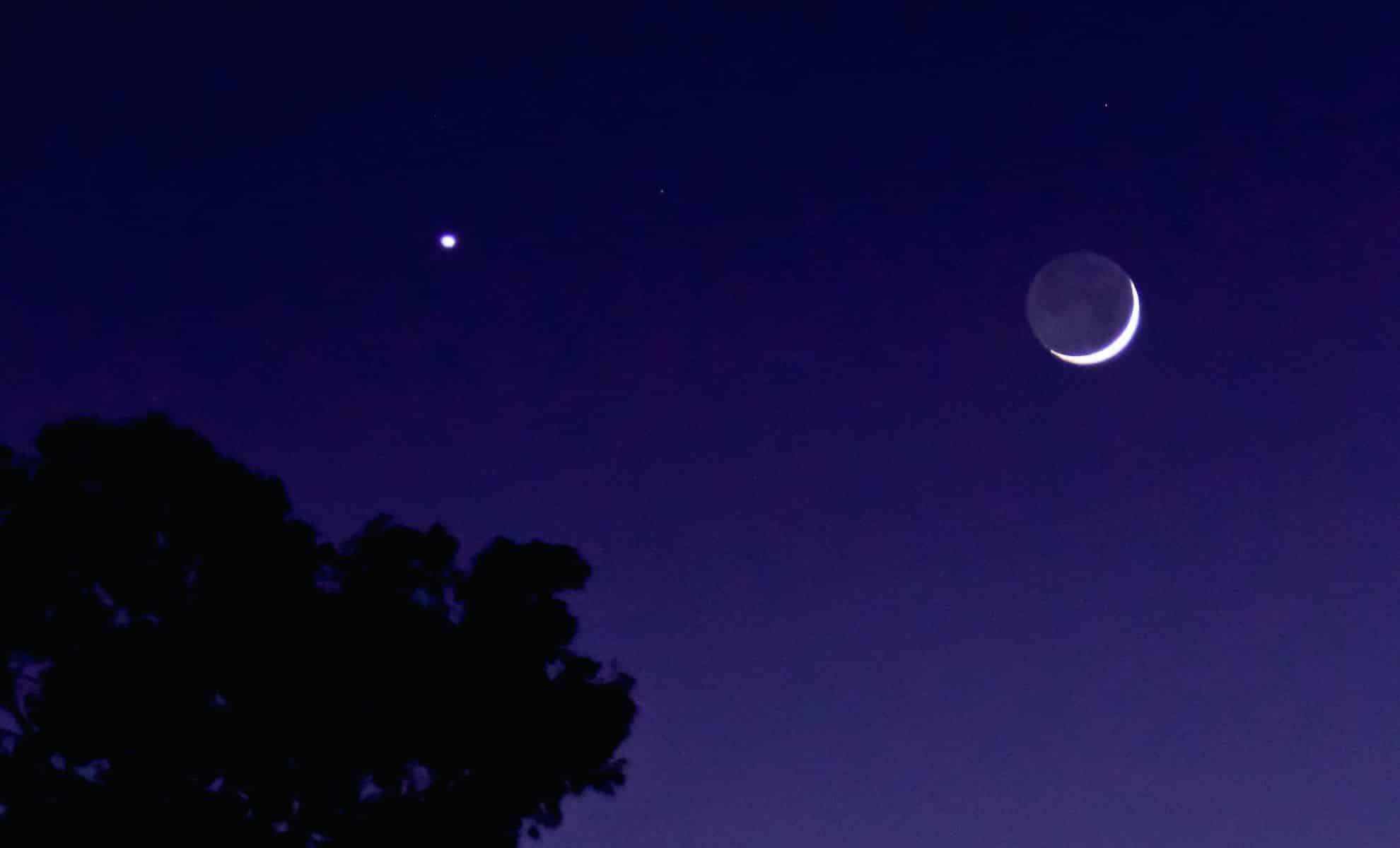
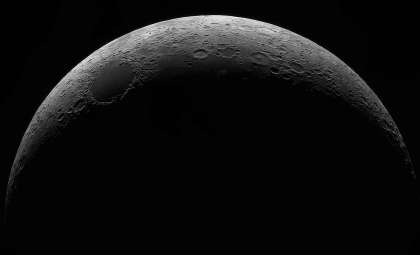
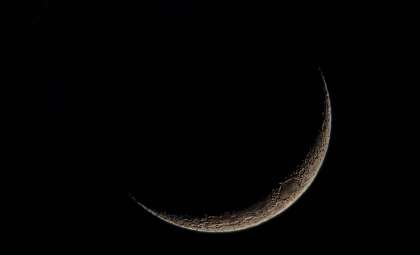
On the evening of August 25, 2025, stargazers across the globe can look forward to a captivating sight: a slender waxing crescent moon appearing close to the reddish glow of Mars low in the western sky, shortly after sunset. According to Forbes, this brief conjunction offers a rare chance for both novice and seasoned sky watchers to take in a subtle but striking celestial display. The moon, with about 8% of its surface lit by sunlight, will be seen just beneath and to the right of Mars, standing out against the twilight.
An Ephemeral Celestial Encounter
This event is noteworthy because the moon’s delicate thin crescent will only be visible for a limited time after sunset. Observers must act swiftly, as less than an hour remains before both objects set below the horizon. The faint glow of the moon’s darkened side, caused by “Earthshine” — sunlight reflected off Earth’s surface — will add a mysterious luminance to the scene.
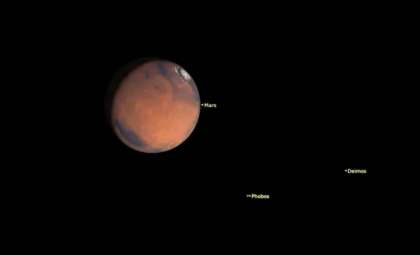
Mars, although gradually dimming due to Earth’s increasing distance in their orbits, will still emit its characteristic soft red light. This event serves as one of the final opportunities to observe Mars before it gets lost in the sun’s brightness later in November. Mars won’t reach opposition again until February 2027.

Tips for Observing the Event
To catch this astronomical pairing, head to a clear area facing west that is free of visual blockages like trees or tall buildings. The crescent moon will appear low in the constellation Virgo, with Mars just above and slightly left of it. Binoculars are recommended for easier viewing, especially to better appreciate the subtle Earthshine on the moon’s surface.
For the best experience, be outside about 20 to 30 minutes after sunset. Locations such as a beach, open field, or a hilltop offer excellent vantage points. Although this conjunction is visible with the naked eye, binoculars enhance the delicate details of the moon’s glowing crescent and the fading red hue of Mars.
Upcoming Astronomical Highlights
This moon and Mars pairing is just the prelude to a series of spectacular night sky events. On August 26, the crescent moon will move between Mars and Spica, Virgo’s brightest star. By August 27, the moon will increase to 21% illumination, creating a dazzling alignment with Mars, Spica, and the bright star Arcturus.
As the week progresses, these planetary and stellar configurations present multiple chances to enjoy the wonders of the night sky. Nevertheless, the August 25 conjunction remains particularly notable thanks to its fleeting beauty and Mars’ impending disappearance into solar glare.
- Categories:
- News

0 comments
Sign in to Comment