
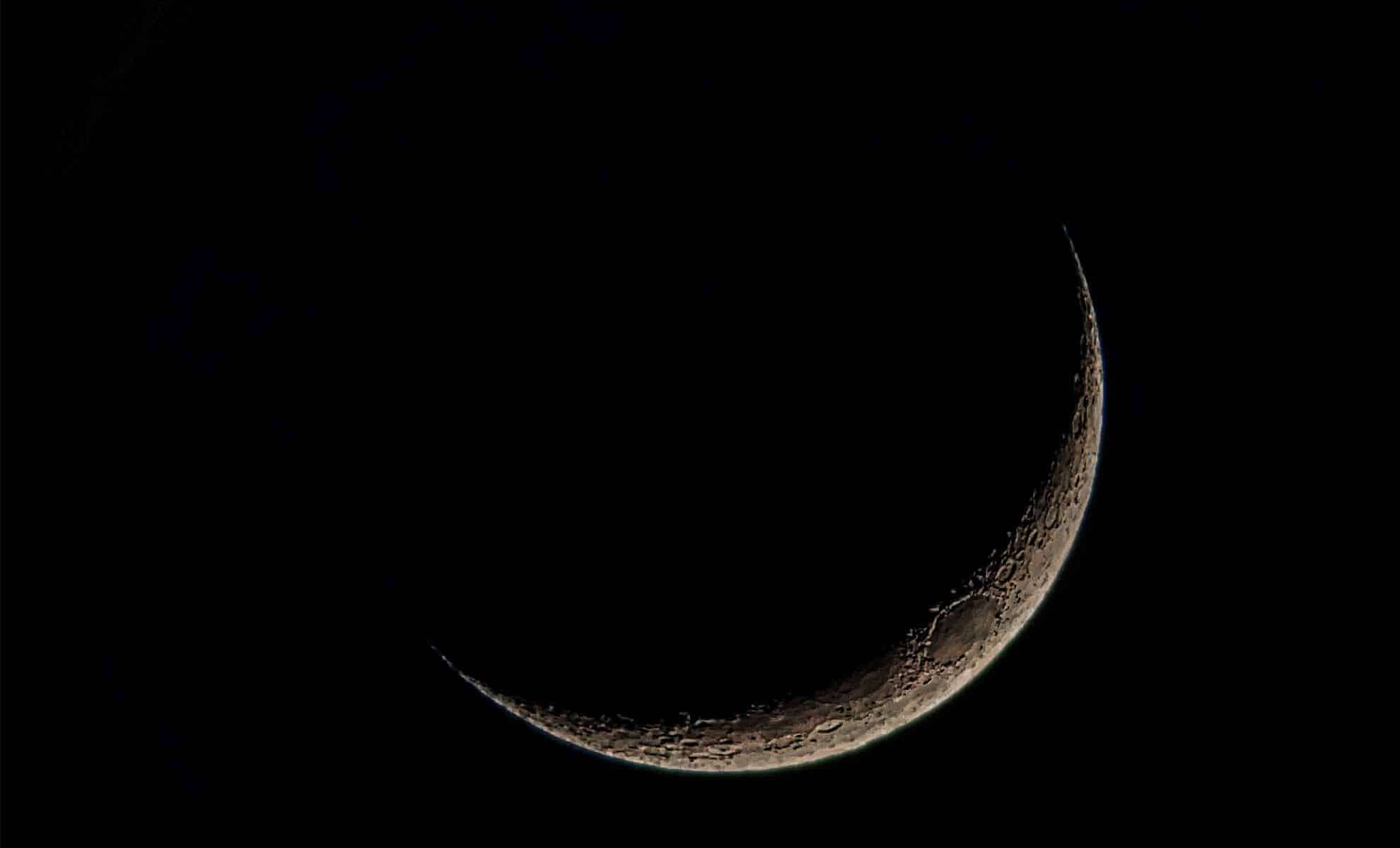
In August, sky enthusiasts will witness a unique astronomical occurrence known as the Black Moon. Despite its enigmatic name, this event is invisible to the naked eye. The Black Moon on August 23, 2025, will not emit any light, offering an excellent opportunity for stargazing enthusiasts.
Understanding the Black Moon Phenomenon
The term Black Moon, while unfamiliar to some, has historical roots in astrology. It refers either to a second new moon within one month or the third new moon in a season. The upcoming event is a seasonal Black Moon, marking the third new moon of the current lunar season. Such an event occurs roughly once every 33 months.
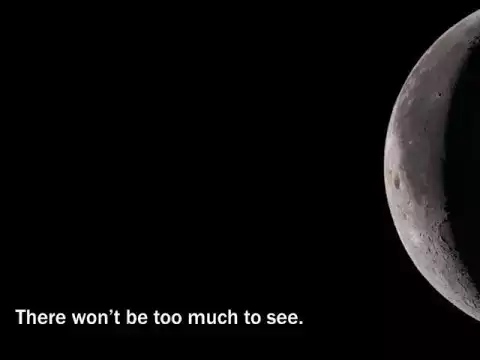
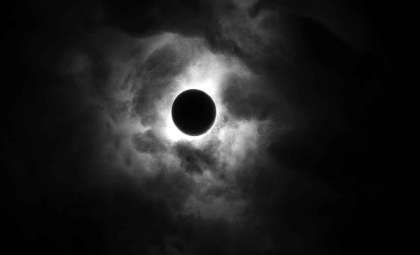
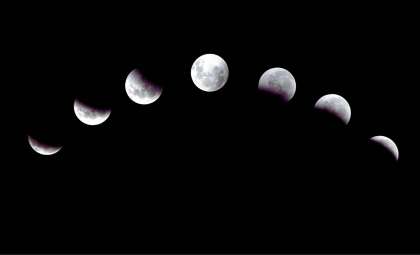
During a new moon, the Moon aligns between the Earth and the Sun, making it impossible to see from Earth. Unlike the bright full moon, the new moon phase lacks visible illumination, creating ideal darkness for astronomers and sky watchers to observe stars and other cosmic activities.

The Importance of This Event
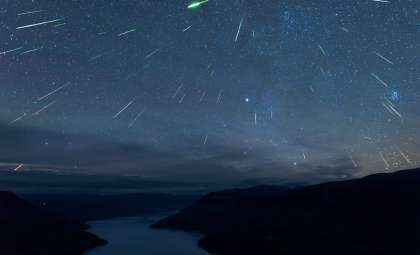
Although the Black Moon itself remains unseen, its timing holds value for night sky observers. The absence of moonlight during this phase enhances visibility for meteor showers, such as the Perseids, which peak in August. The darker sky allows for easier spotting of meteors and other distant celestial bodies.
Black Moons are uncommon, but not extraordinarily rare. The last occurrence was just eight months ago and classified as a monthly Black Moon, with the next expected in 2027. The 2025 Black Moon is notable as it precedes a lunar eclipse in 2027, making the period especially intriguing for lunar observers.
A Lunar Mystery Rooted in Tradition
The Black Moon concept has astrological origins, initially referring to a “hidden” moon that wasn’t visible at night. Over the years, it has come to denote rare new moon appearances, similar to a Blue Moon, which describes a second full moon within one month. These terms lend a poetic and almost mystical significance to these unusual lunar events.
The approaching Black Moon will contribute to the wonder surrounding lunar phenomena, highlighting the complexity of lunar cycles and the impact of various moon phases on our night sky observations.
- Categories:
- News




0 comments
Sign in to Comment