
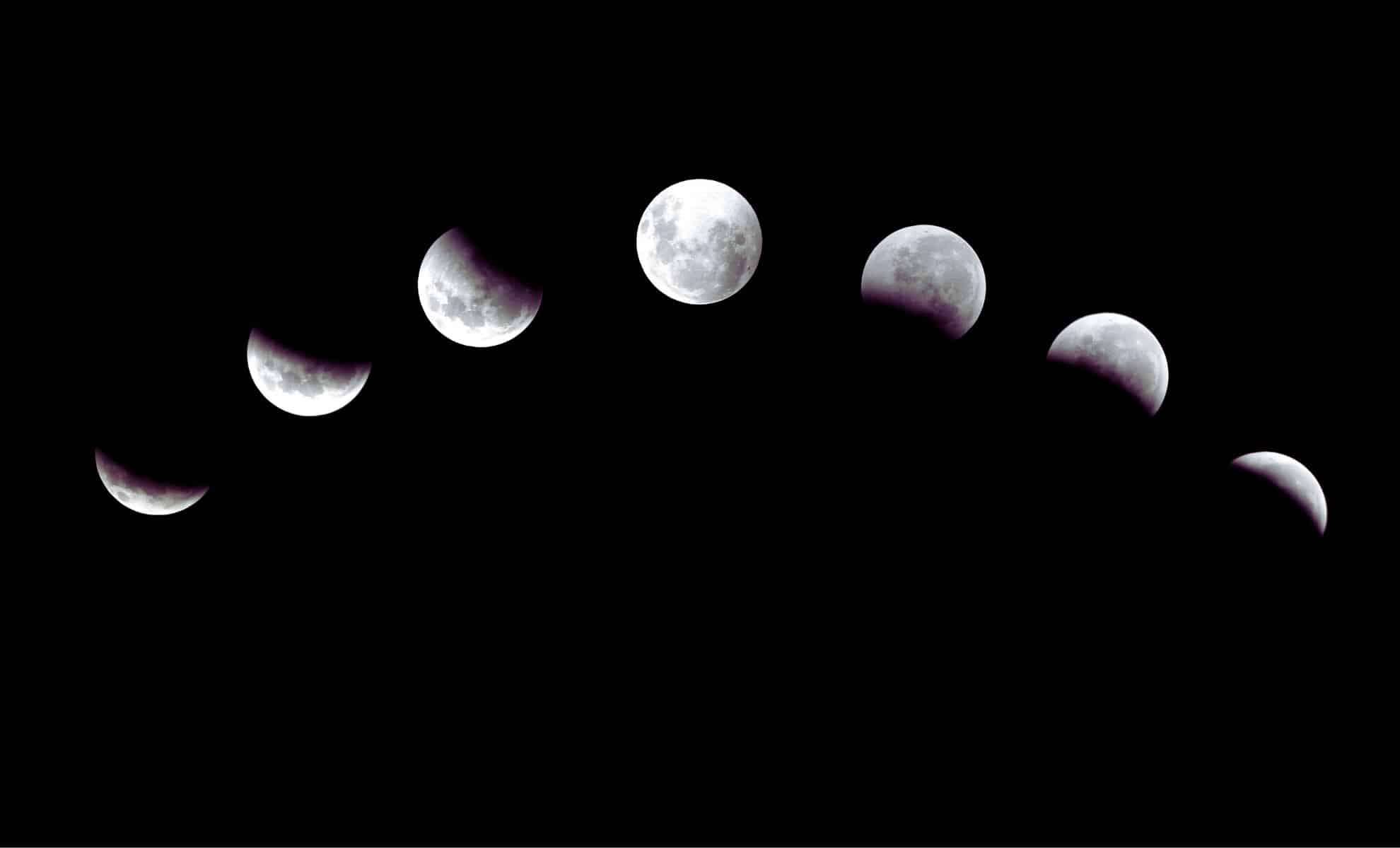
Each month, the Moon cycles through phases that captivate both casual skywatchers and seasoned astronomers alike. Its changing faces unveil craters, maria, and distinctive patterns formed by sunlight highlighting the lunar surface. Space.com highlights that August brings a fantastic lineup of all four main lunar phases, offering incredible opportunities for observation. This guide details what to expect each phase, helping enthusiasts prepare for an engaging month under the night sky.
First Quarter Moon: Ideal for Studying Lunar Landscapes (August 1)
The First Quarter Moon reveals a striking division between light and shadow, where the terminator clearly separates the illuminated right half from the darkened left side. Occurring on August 1, this stage signals the start of the waxing period. During this phase, fascinating features such as the Sea of Tranquility come into view—a site immortalized as the Apollo 11 landing zone.
Observers aiming to locate Apollo 11’s Tranquility Base can focus on the southwestern portion of Mare Tranquilitatis. With a telescope of around 6 inches, it’s possible to identify this historic spot nestled just beneath the Ritter and Sabine craters. The contrasting shadows cast near the terminator make the surrounding terrain particularly vivid in the nights leading up to the First Quarter.

Full Moon: The Glorious Sturgeon Moon Awakens (August 9)
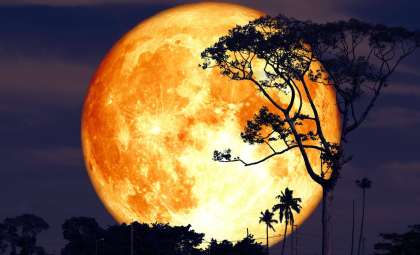
On August 9, the Moon reaches fullness in the phase commonly called the Sturgeon Moon, during which the entire lunar surface is illuminated. This name derives from the sturgeon fish, historically prevalent at this season. The full illumination offers a prime chance to explore some of the Moon’s most renowned masses.
Among the standout features during this phase is the expansive Tycho Crater. Spanning 53 miles across, Tycho is easily recognized by its brilliant ray system—bright streaks radiating from the impact site. Formed just 108 million years ago, these rays remain one of the Moon’s most eye-catching aspects. The full Moon also showcases breathtaking views of the large maria, including Mare Crisium, Mare Tranquilitatis, and Mare Serenitatis, vast plains formed from ancient lava flows contrasting with the surrounding rocky highlands.
Additionally, the Oceanus Procellarum or 'Ocean of Storms' appears as a vast, dark expanse, stretching widely across the lunar surface. The interplay between light and shadow across these lava plains provides astronomers with a fascinating glimpse into the Moon’s volcanic past during the full moon phase.
Third Quarter Moon: Experience Lunar Contrast and Crater Detail (August 16)
The Third Quarter Moon, visible on August 16, displays the opposite illumination of the first quarter, with the left half bright and the right side shrouded in darkness. This period accentuates the terminator, where the sharp boundary between light and shadow reveals intricate crater details. Notable lunar craters, such as Plato and Archimedes, stand out during this phase.
The Plato Crater, 62 miles wide, emerges just after moonrise, its smooth floor contrasted by a well-defined rim, making it particularly distinct. Southward lies Archimedes crater, named after the famed Greek mathematician, also captivating due to its size and features. As the nights progress, the prominent Copernicus Crater, situated within Oceanus Procellarum, draws attention with its central peaks and vivid ejecta rays. Near Mare Imbrium, the Kepler Crater similarly captivates viewers with its bright rays and geological intricacies.
New Moon: Darkness Brings the Milky Way into Focus (August 23)
The New Moon phase arriving around August 23 ushers in a time when the Moon fades from view, positioned between Earth and the Sun, with its sunlit side facing away from observers. Although the lunar glow disappears, this darkened sky offers an excellent window to observe other celestial wonders.
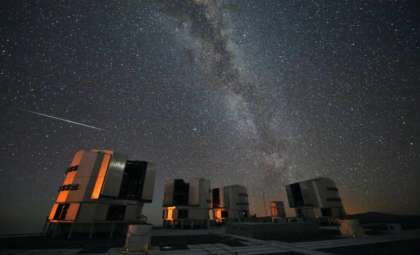
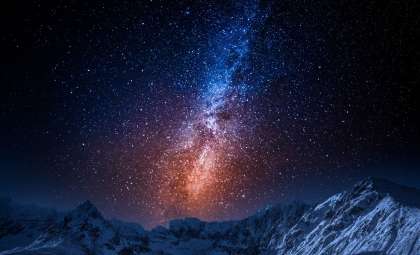
Without the Moon’s brightness, the Milky Way becomes breathtakingly clear, stretching across the heavens. In regions free from light pollution, the core of our galaxy shines vividly, offering a captivating spectacle. Additionally, stargazers might witness Earthshine, a subtle glow illuminating the Moon’s darkened side, caused by sunlight reflecting off Earth's surface. Known as the Da Vinci Glow, this gentle luminance adds a mysterious charm to the otherwise invisible New Moon.
- Categories:
- News






0 comments
Sign in to Comment