
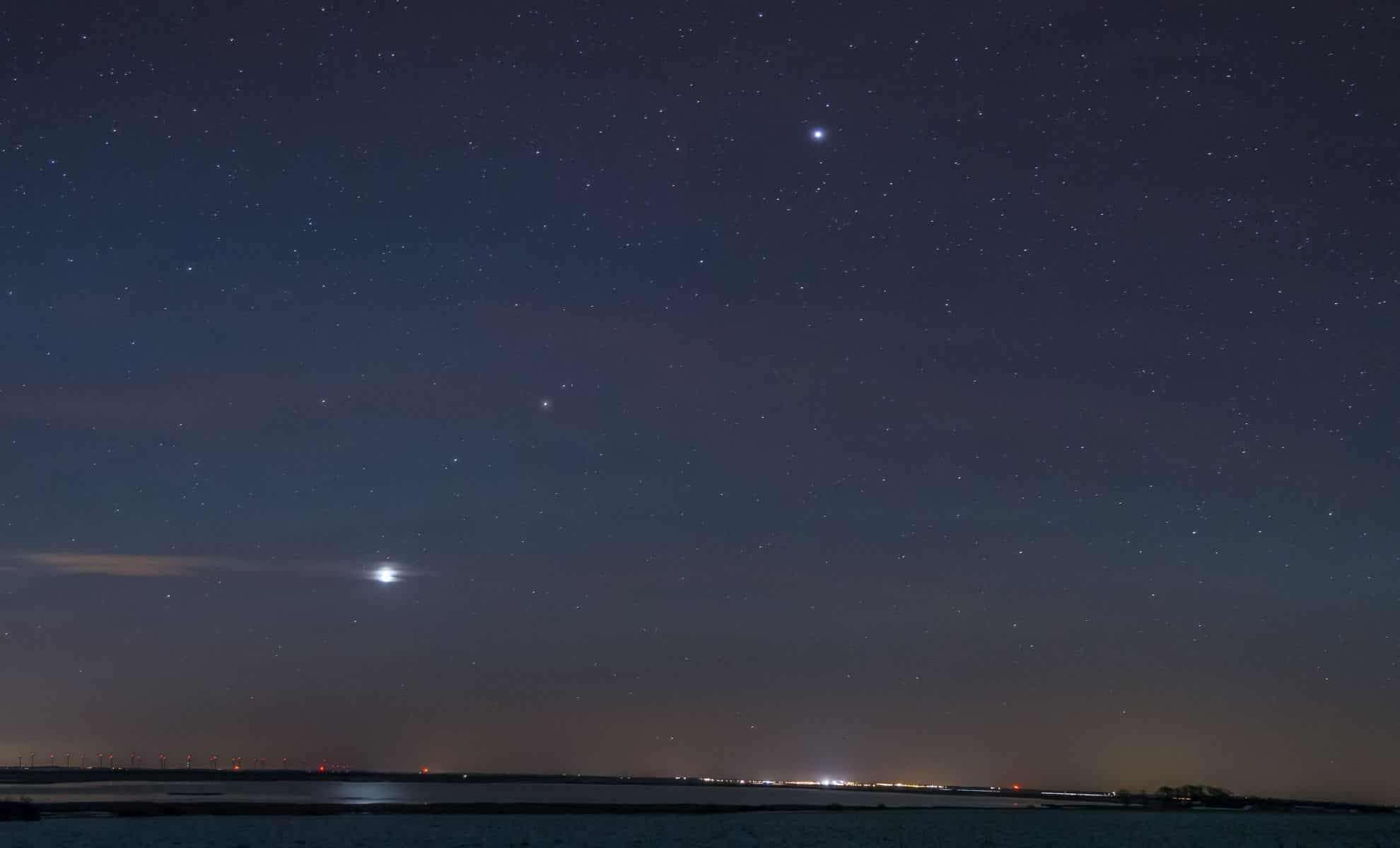
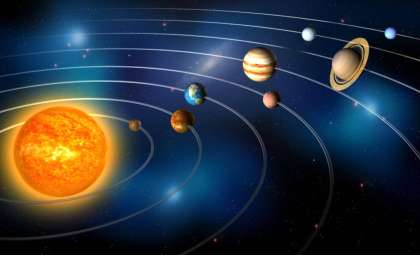
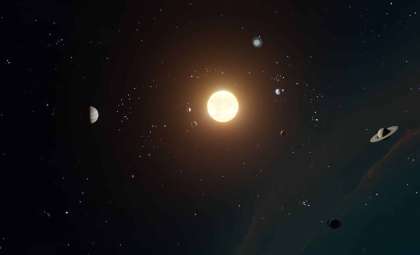
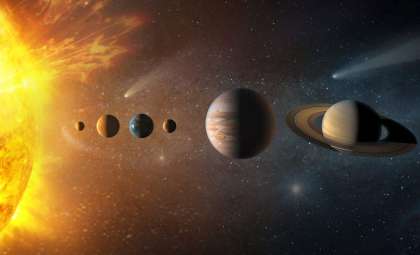
This August, sky enthusiasts have a spectacular celestial event to look forward to: six planets will line up in a breathtaking arc across the night sky. This unique planetary alignment is observable until the month's end. While Mercury, Venus, Jupiter, and Saturn are visible without telescopes, Uranus and Neptune will require binoculars or a telescope for viewing.
Although this planetary lineup commences on August 10, the prime viewing window is just before August 23, when the Moon's presence will be minimal, improving sky clarity.
Best Times and Spots for Viewing
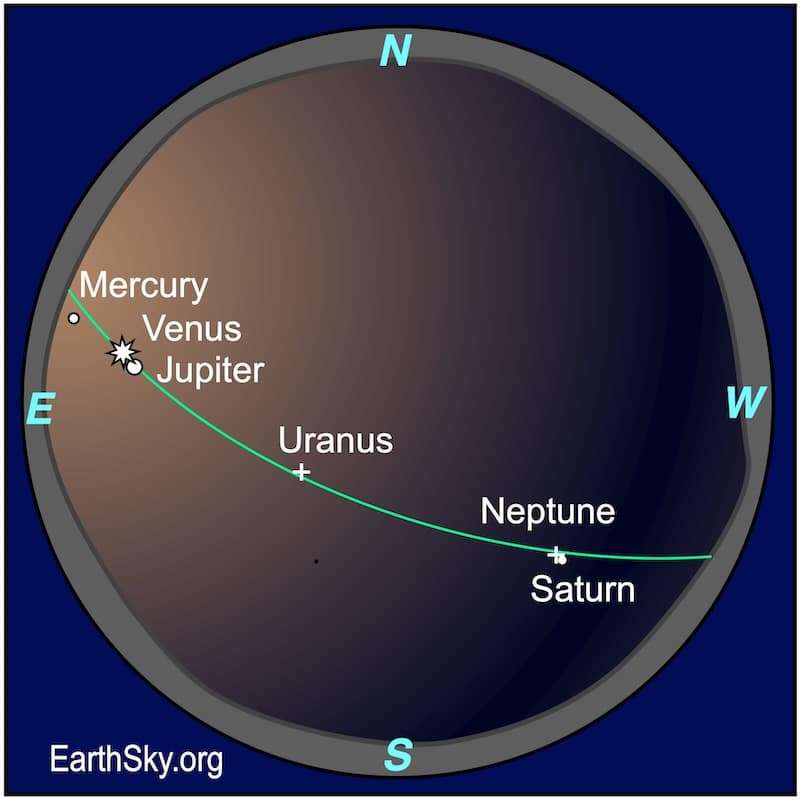
Earthsky.org notes that observers in the Northern Hemisphere will see Neptune and Saturn rise initially, followed by Uranus, and then Venus and Jupiter, with Mercury appearing last. Exact rise times vary by location. Typically, Neptune and Saturn show up between 8:30 pm and 10 pm local time, positioned roughly 40 degrees above the southwest horizon, Uranus sits about 55 degrees above the southeast horizon, Venus and Jupiter appear around 20 degrees above the eastern horizon, and Mercury barely peeks over the eastern horizon.

In the Southern Hemisphere, the sighting direction shifts northward. Neptune and Saturn manifest in the northwest, followed by Uranus, while Venus, Jupiter, and Mercury emerge in the northeast but at somewhat lower altitudes than in the Northern Hemisphere.
Spotlighting Saturn and Neptune
Saturn, famed for its dazzling rings, will be easily identifiable with the naked eye. Using binoculars or a backyard telescope, stargazers can view its iconic rings. Saturn's largest moon, Titan, can also be observed through a telescope. Titan, exceeding Mercury in size, offers a rare chance to catch sight of the solar system's second-largest moon.
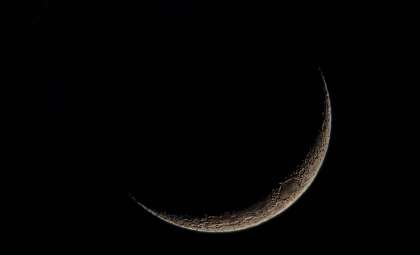
Conversely, Neptune is far fainter and demands superior optical gear. Bright moonlight on August 10 will make spotting it challenging, but the period around the New Moon on August 23 provides optimal viewing conditions. Neptune rises slightly before Saturn and will be positioned just above it.
Discovering Uranus: The Faint Blue Orb
Uranus will also be accessible with binoculars or telescopes, appearing later than Saturn and Neptune—typically between 11:45 pm and 12:45 am in much of the Northern Hemisphere. In southern latitudes, Uranus rises closer to 1:30 to 2:30 am. Through a telescope, it presents as a subtle, pale blue disc. Amateur gear won’t reveal its vertical rings as they are too faint.
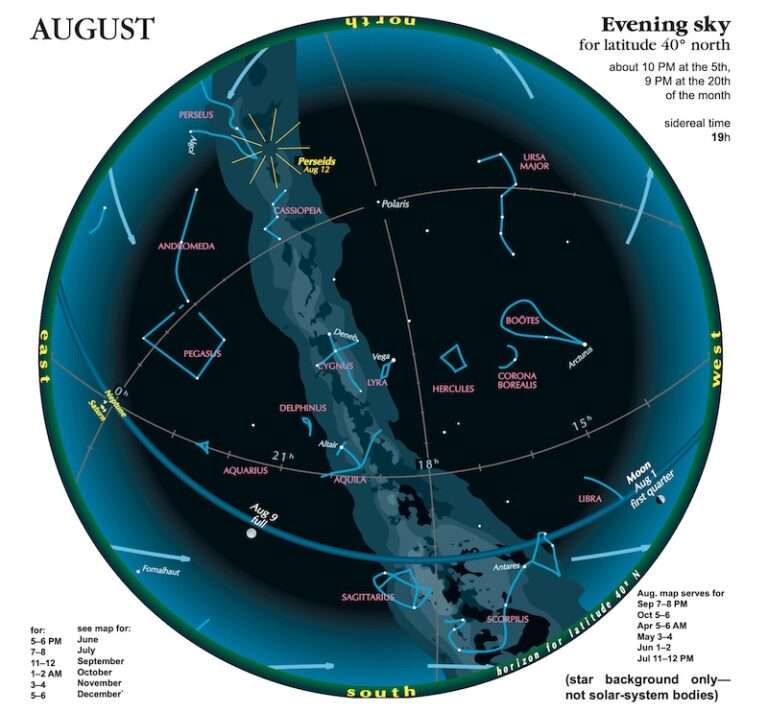
Positioned just below the star cluster Pleiades, Uranus is easier to find. If Uranus eludes your view, the Pleiades—a beautiful assembly of bright and dim stars—offers a splendid sight by itself.
The Dazzling Duo: Jupiter and Venus
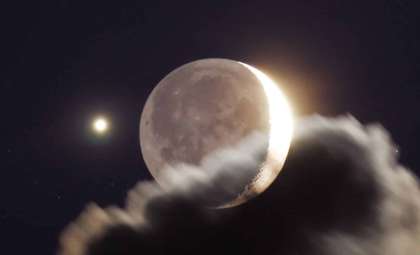
Two of the brightest planets, Jupiter and Venus, will rise in the early hours of the morning. Observers in the Northern Hemisphere will see them between 2:30 am and 3:30 am, while in the Southern Hemisphere, they become visible closer to 4:00 am. These planets will be remarkably close, less than 1 degree apart, nearing conjunction on the night of August 11–12 in the constellation Gemini.
Even without equipment, they stand out brilliantly. Telescopes reveal Jupiter’s striking cloud bands and the famed Red Spot, a massive storm active for centuries. Jupiter’s four largest moons—Io, Europa, Ganymede, and Callisto—are observable through telescopes. Venus, lacking such cloud bands, displays phases akin to the Moon, including a crescent phase visible through telescopic viewing.
Chasing Mercury: The Sunrise Skimmer
Mercury rises last, between 4:30 am and 5:30 am across most Northern Hemisphere areas, and closer to 6:30 am further south. Due to its low position near the horizon, an unobstructed view is essential for spotting Mercury shortly before dawn.
Although Mercury joins the procession from August 10, ideal viewing is between August 18 and August 23, peaking at its greatest western elongation on August 19. This is Mercury’s farthest stretch from the Sun, maximizing its visibility before sunrise.
Because Mercury remains dangerously close to the Sun, extreme caution is advised during observation. For those aiming to witness all six planets aligned, this event is a rare chance, with the next alignment not expected until February 2026.
- Categories:
- News




0 comments
Sign in to Comment