
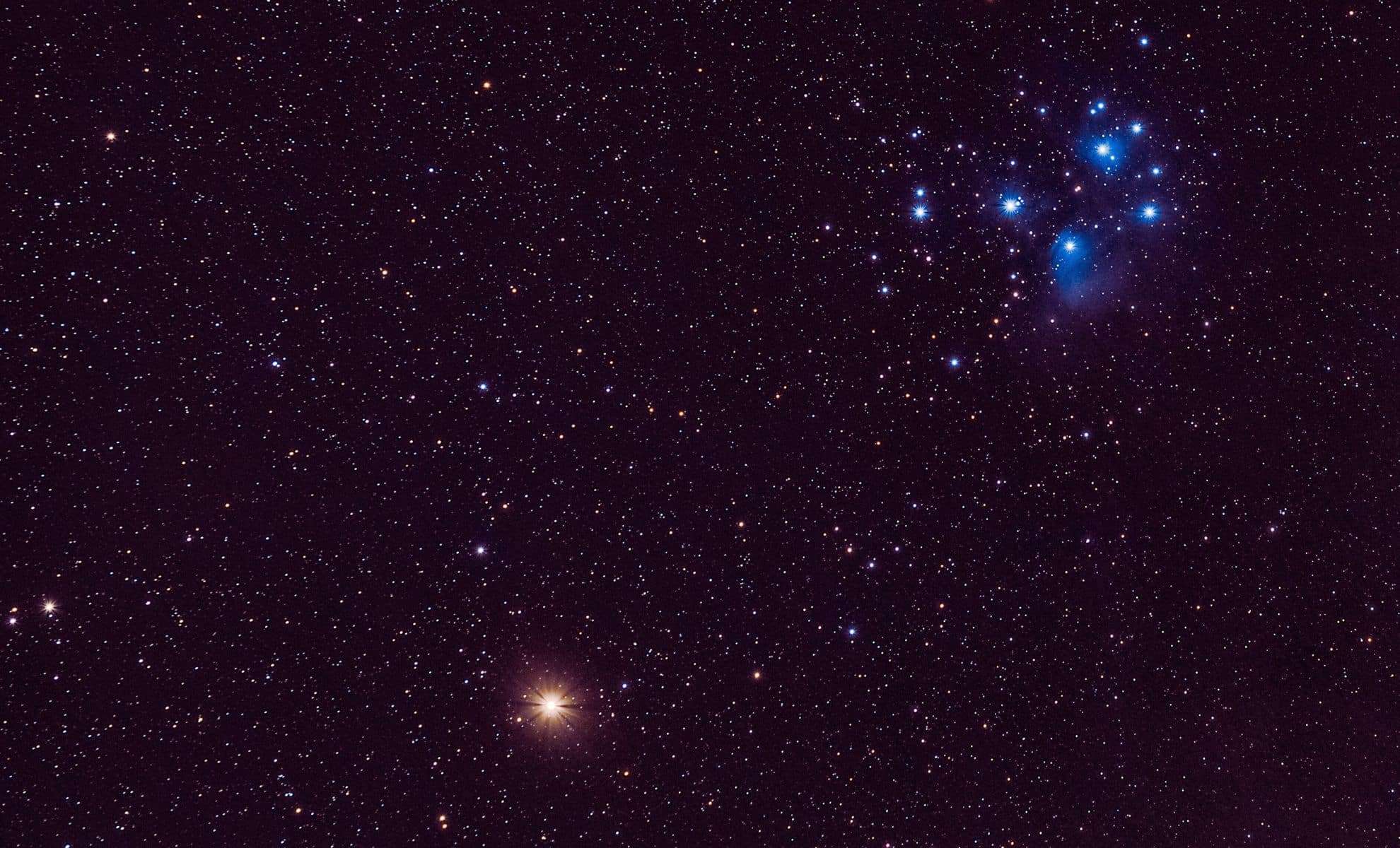
Astronomy enthusiasts have an exciting event to look forward to this week as the moon makes a spectacular approach near one of the sky’s most enchanting star groups. As reported by Space.com, during the early morning hours of August 16 and 17, the moon will glide close to the Pleiades cluster, commonly known as the “Seven Sisters.” Whether you’re experienced in celestial observing or just starting out, this is an excellent opportunity to observe a breathtaking cosmic alignment.
Understanding the Pleiades Star Cluster and Its Significance
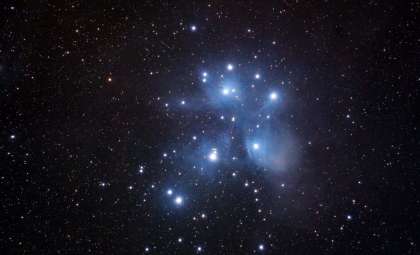
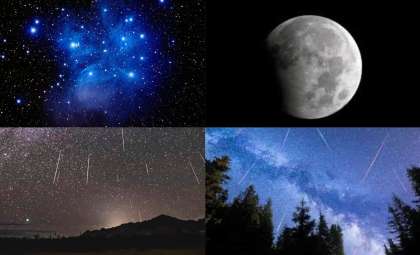
The Pleiades is an open cluster situated within the Taurus constellation and is famed for its stunning arrangement. Although it contains hundreds of stars, only about six or seven can be seen without optical aid. These are relatively youthful, hot stars that emit a bright blue light. Positioned approximately 440 light-years away from Earth, their luminosity makes them one of the most familiar clusters in the night sky.
Surrounding the cluster is a faint nebula that contributes to its delicate appearance, attracting the fascination of astronomers and sky watchers over centuries. The Pleiades have woven a rich tapestry of cultural myths and stories worldwide, often symbolizing beauty, resilience, or navigational guides. Scientifically, the cluster remains captivating as it is still actively evolving in its early life stages.

Moon’s Trajectory: When and Where to Look
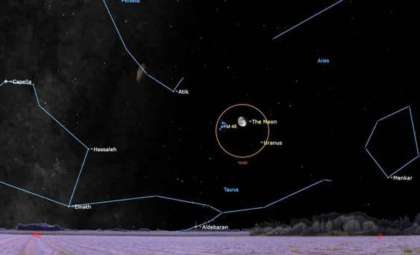
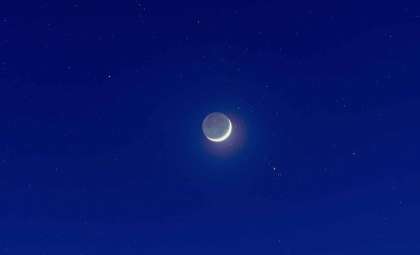
Central to this week’s showcase is the moon passing near the Pleiades during its third-quarter phase, characterized by half of the lunar surface being illuminated. On the morning of August 16, the moon will appear about 5 degrees above and to the right of the cluster. To help visualize, this angular distance is roughly the width of three fingers held at arm’s length.
By August 17, the moon will descend to a position 5 degrees beneath the Pleiades. This shifting alignment allows observers to track its progression relative to the star cluster. The best viewing window is around an hour after midnight when the moon ascends higher, brightening the night sky along with the stars of the Pleiades.
How to Best Experience the Moon and Pleiades Encounter
To catch this remarkable event, timing your observation is crucial—seek out the eastern sky about an hour past midnight on August 16 for optimal viewing of the moon near the Pleiades. Binoculars can enhance your experience by bringing the cluster’s dimmer stars into clearer sight, especially since moonlight can outshine some stellar points. For beginners, astronomy apps can offer guided star maps, pinpointing the precise locations of the moon and Pleiades in real time.
Technology’s Role in Elevating the Stargazing Experience
Modern technology has revolutionized how we observe the cosmos. Numerous astronomy apps utilize augmented reality to overlay star charts onto your phone’s display, allowing you to simply aim your device at the sky to identify celestial bodies. These tools track the moon’s movement live and suggest the best viewing locale based on your position.
For advanced sky watchers, telescopes provide unrivaled views of the Pleiades and its accompanying nebula. Those interested in astrophotography can connect cameras to telescopes to capture detailed images of both the moon and this stunning star cluster.
- Categories:
- News





0 comments
Sign in to Comment