
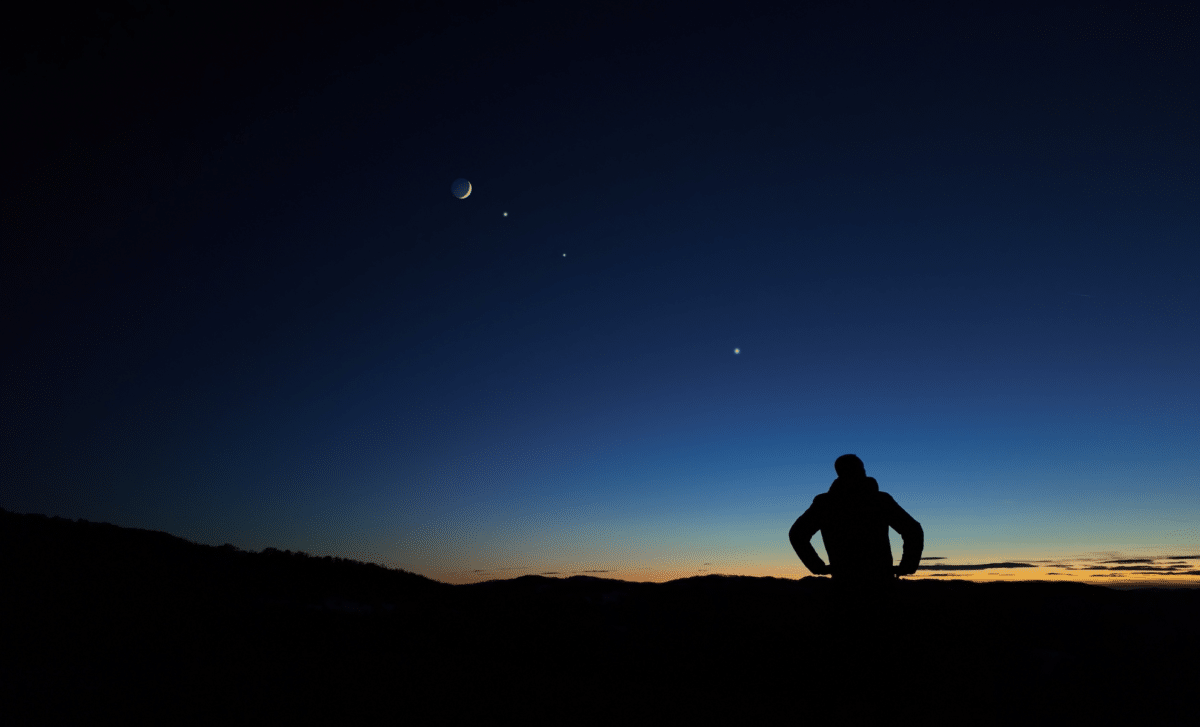
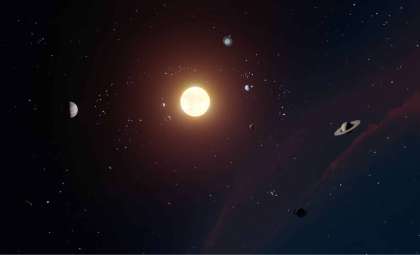
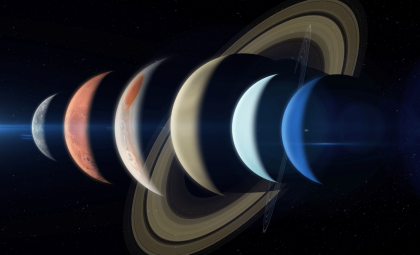
Stargazers are in for an extraordinary treat this weekend as Venus, Jupiter, and Mercury arrange themselves in a rare celestial formation in the western sky shortly after sunset. This stunning planetary lineup provides an accessible and captivating spectacle for both casual observers and seasoned astronomers, showcasing some of the brightest planets in our solar system in close proximity.
Tips for Spotting the Planets This Weekend
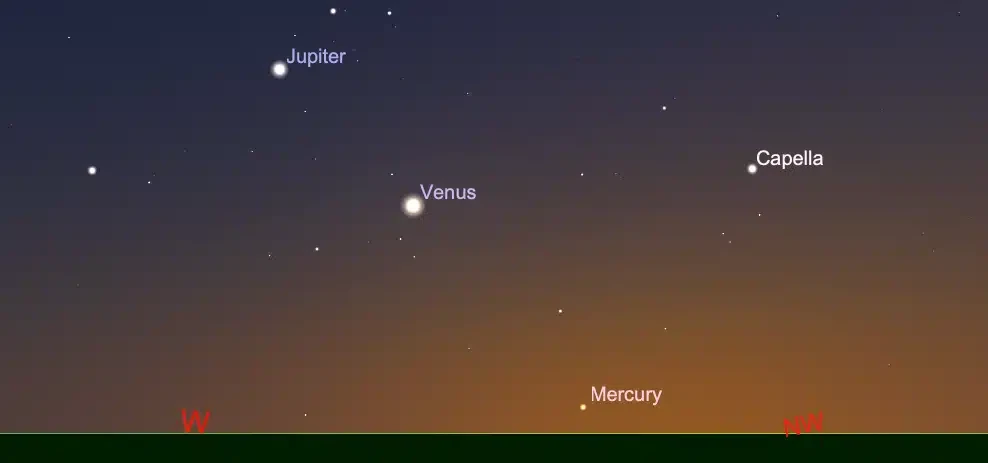
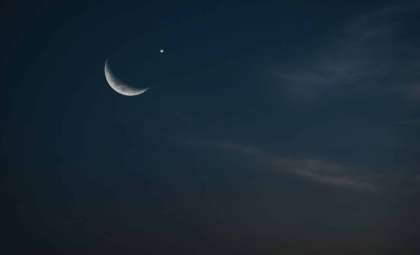
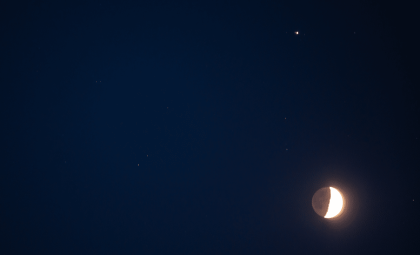
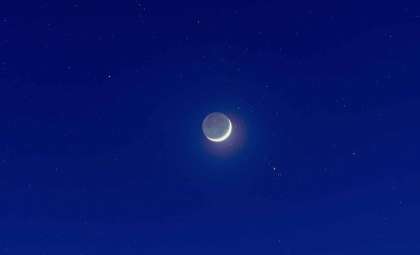
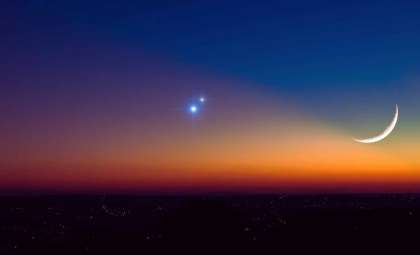
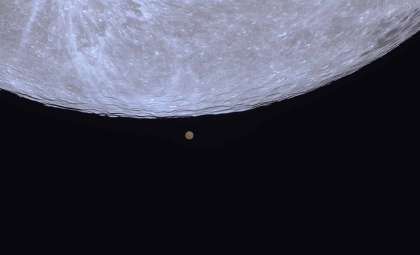
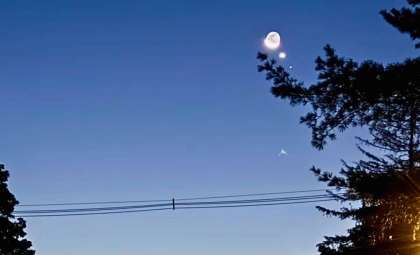
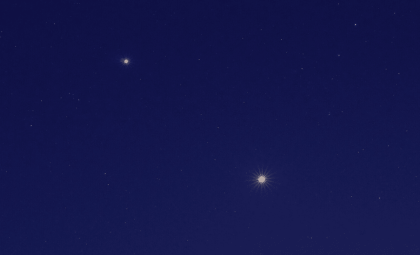
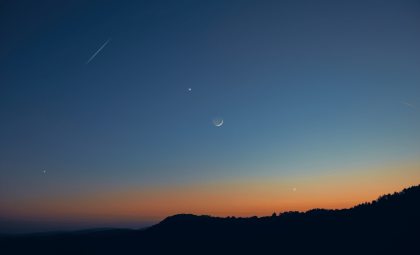
On Friday, May 22, the 45% illuminated waxing crescent moon will pass near these planets and close to Regulus, the most luminous star in Leo, helping skywatchers find their bearings. By Saturday, May 23, Jupiter will appear just above Venus, while Mercury will hover near the horizon. According to Forbes, though Mercury is relatively faint, binoculars will make spotting it easier as it becomes more visible at dusk. On Sunday, May 24, you can catch all three planets again, with Capella—the “Goat Star” in Auriga—joining the display in an equilateral triangle formation with Venus and Mercury, creating an ideal scene for photographers.
Why This Planetary Gathering Matters
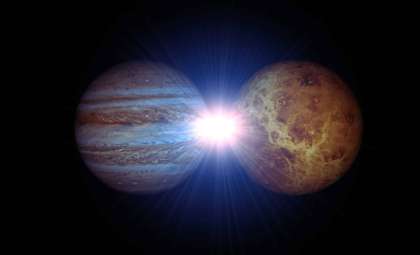
This visible planetary parade offers more than just a breathtaking view. In the next few weeks, Venus and Jupiter will move even closer together, culminating in a tight conjunction from June 9 to 11, with Mercury joining the celestial show. As Forbes notes, watching such alignments provides a rare chance to observe the motions and relative positions of planets in real time, demonstrating the elegant mechanics of our solar system far beyond what a textbook can convey. Nightly observations reveal the ever-changing yet predictable choreography of these celestial bodies.

Connecting the Moon and Upcoming Astronomical Events
The moon will continue its phase progression toward full illumination on May 31, leading to a Blue Moon rising at dusk on May 30, coinciding with the iconic “Manhattanhenge” in New York City. As June begins, attention returns to the evening skies where Venus and Jupiter will draw nearer, offering more opportunities to observe their orbital dance. June 15 will feature a New Supermoon, the largest of the year, delivering another spectacular dark sky event ahead of the summer solstice on June 21, which marks the shortest nights of the year. These overlapping cosmic events create an exceptional blend of astronomy and photography moments this season.
- Categories:
- News

0 comments
Sign in to Comment