
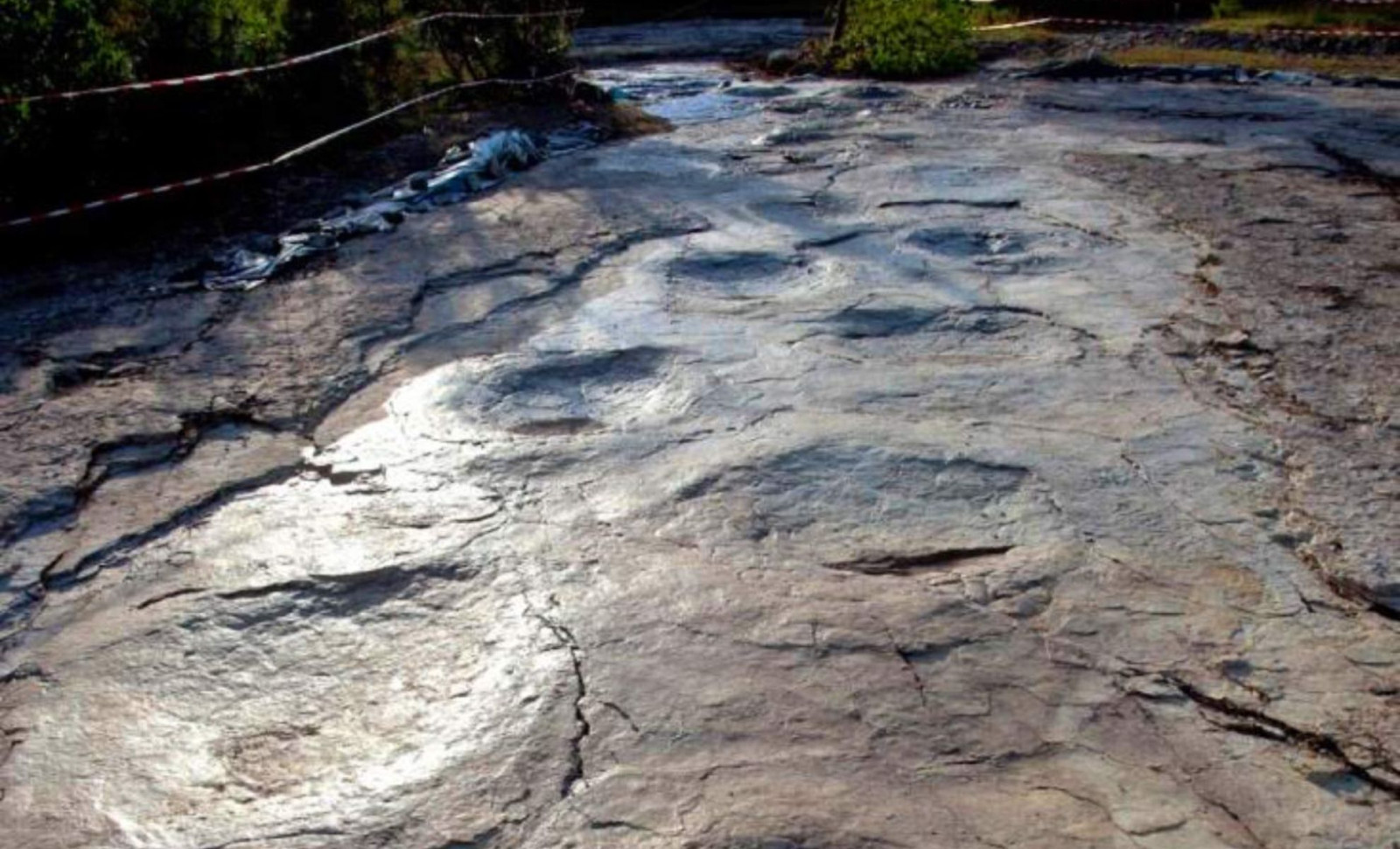
A remarkable 155-meter fossilized footprint trail uncovered in the Jura Mountains has been recognized as the longest continuous sauropod trackway ever documented. Situated near the village of Plagne, this site offers unparalleled insights into the movement of a colossal herbivorous dinosaur from around 150 million years ago.
Initially discovered in 2009 by the Société des Naturalistes d’Oyonnax, an enthusiast group with expertise in Jurassic geology, the extensive trackway was later analyzed and authenticated by paleontologists at Claude Bernard Lyon 1 University. Their research highlighted the extraordinary preservation and scale of the footprints.
Beyond its impressive length, the Plagne site is significant for the intricate details maintained in the prints. It adds valuable data to the growing catalog of dinosaur track sites spanning France and Switzerland, enriching our understanding of sauropod locomotion in prehistoric ecosystems.

An Unmatched Sauropod Path in Eastern France
Extending over 508 feet (155 meters), this trackway outshines the renowned sauropod footprints found in Galinha, Portugal. Researchers confirm that it currently stands as the longest known track trail left by a sauropod.
“The trackway of a huge sauropod, and the longest sauropod trackway currently known, reaching 155 m in length, has been excavated in Eastern France, alongside a shorter theropod trackway,” the authors said.
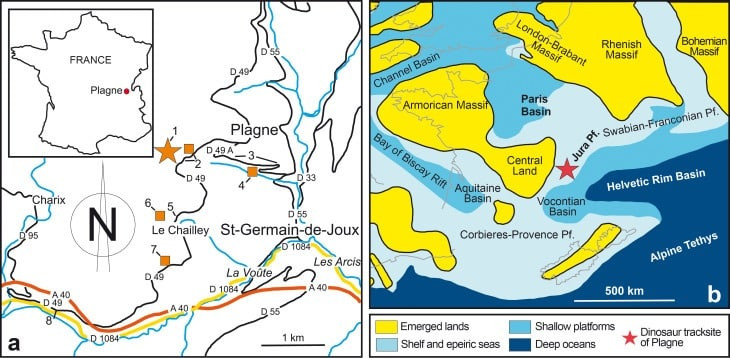
This fossilized pathway is located less than a kilometer west of Plagne village in the Ain region. The trail is composed of 110 consecutive footprints, creating a nearly intact record of the dinosaur’s passage.
Insights into Sauropod Movement From Footprint Anatomy
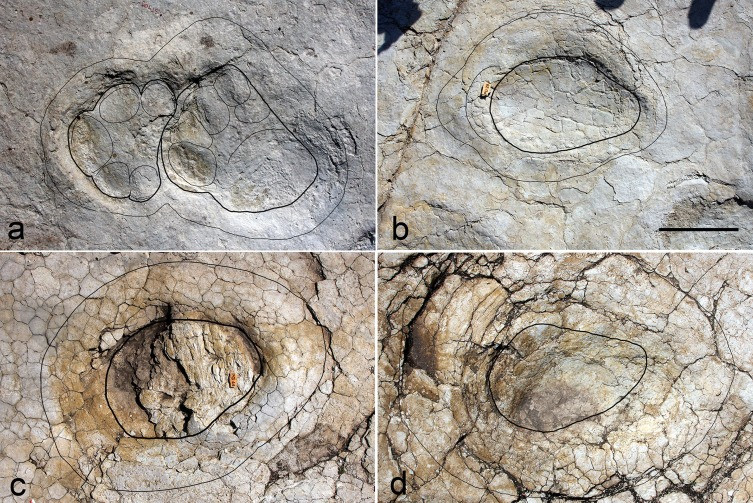
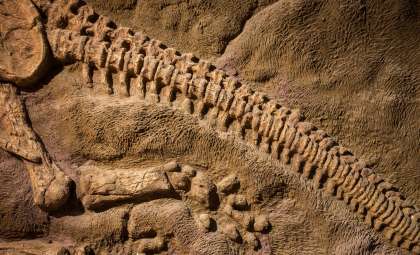
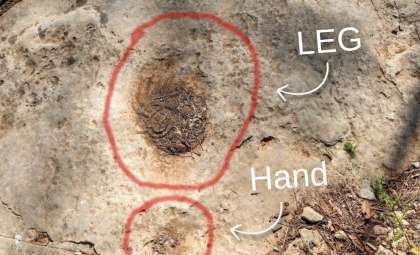
The exceptional state of preservation enables researchers to examine subtle anatomical features. According to the findings published in Geobios, the hind footprints reveal five elongated toe impressions, while the front prints display five rounded digits arrayed in a curved pattern.
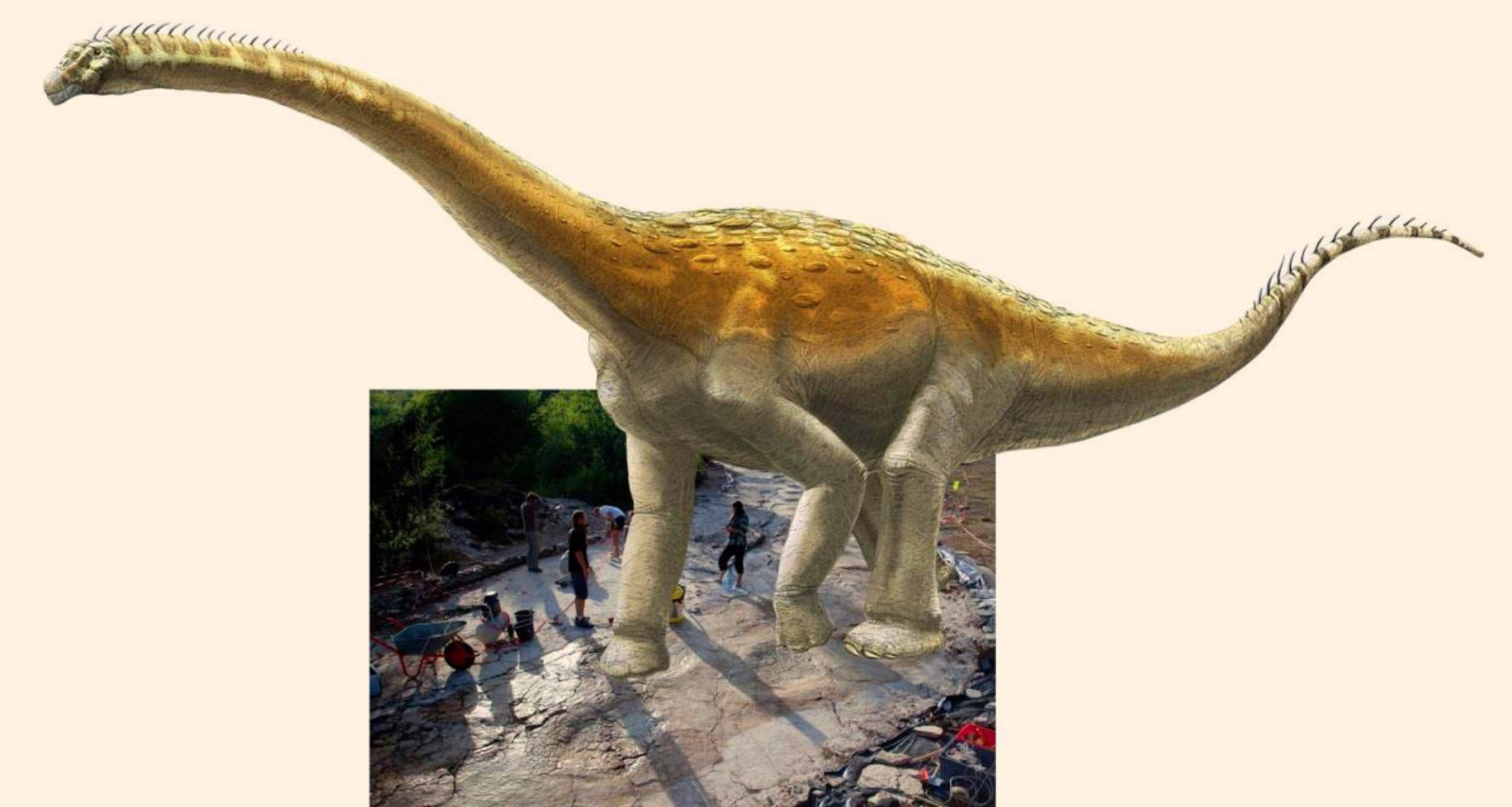
Footprint diameters vary widely from 1 to 3 meters (3.3 to 10 feet), suggesting an enormous animal. Measurements and biomechanical analysis estimate the dinosaur’s length at nearly 35 meters (115 feet) with a weight range of 35 to 40 tons. The stride length averaged 2.8 meters, corresponding to an estimated walking speed of roughly 4 km/h (2.5 mph).
A Snapshot of a Jurassic Archipelago
Dating from the Tithonian phase in the Late Jurassic, approximately 150 million years ago, the trackway offers perspective on an era when Western Europe was fragmented into island chains rather than a single landmass. Paleogeographic models cited by scientists reveal these islands were periodically connected during episodes of lowered sea levels.
Such environmental shifts probably enabled dinosaur populations to migrate between areas. The Plagne footprints capture one such passage, preserving a unique moment of a giant sauropod navigating the complex ancient geography. The team emphasized:
“This new trackway site, alongside other Early Jurassic Swiss and French tracksites yielding thousands of sauropod and theropod tracks, can be considered as being the largest dinosaur megatracksite in Europe.”
- Categories:
- Science




0 comments
Sign in to Comment