
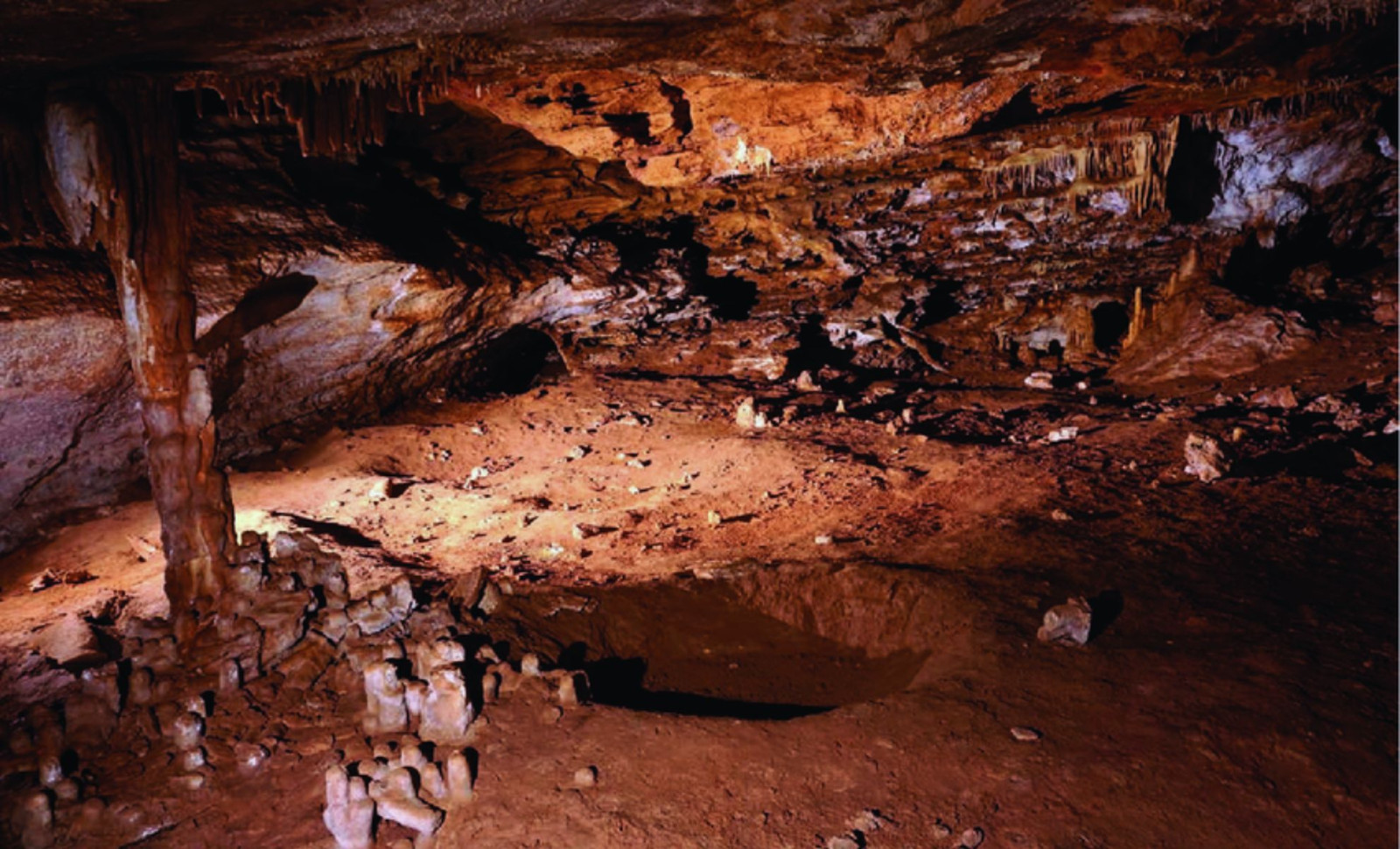
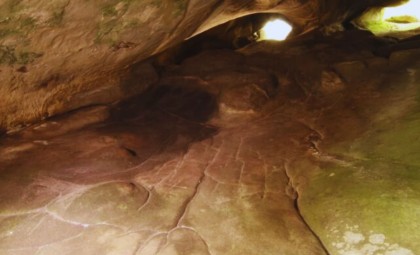
Researchers have uncovered a clay impression deep inside Bruniquel cave in southwestern France, believed to be the kneeprint of a Neanderthal involved in constructing peculiar circular formations. This rare trace, preserved beneath a calcite layer, is gaining interest for its connection to one of Europe’s most unique ancient cave sites.
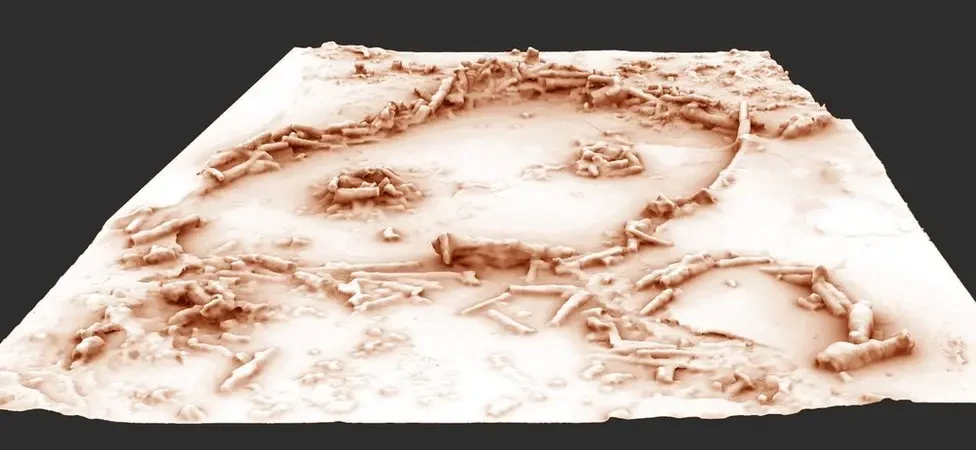
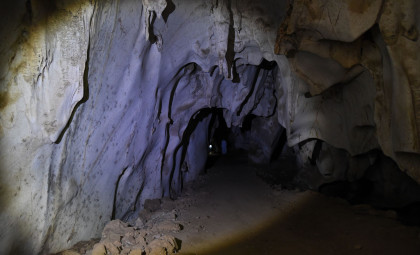
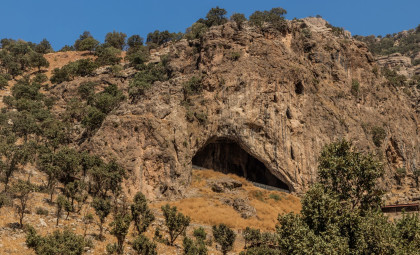
The potential kneeprint was found adjacent to rings made of fractured stalagmites, first brought to scientific attention in a 2016 investigation. Located near Toulouse, the cave features hundreds of intentionally arranged stalagmite fragments over 300 meters from the entrance, in complete darkness.
Sophie Verheyden from the Royal Belgian Institute of Natural Sciences highlighted that this impression could represent an extraordinary form of prehistoric data. Unlike ancient footprints, kneeprints have rarely been explored in scientific research.

Impression Shielded by Mineral Layers
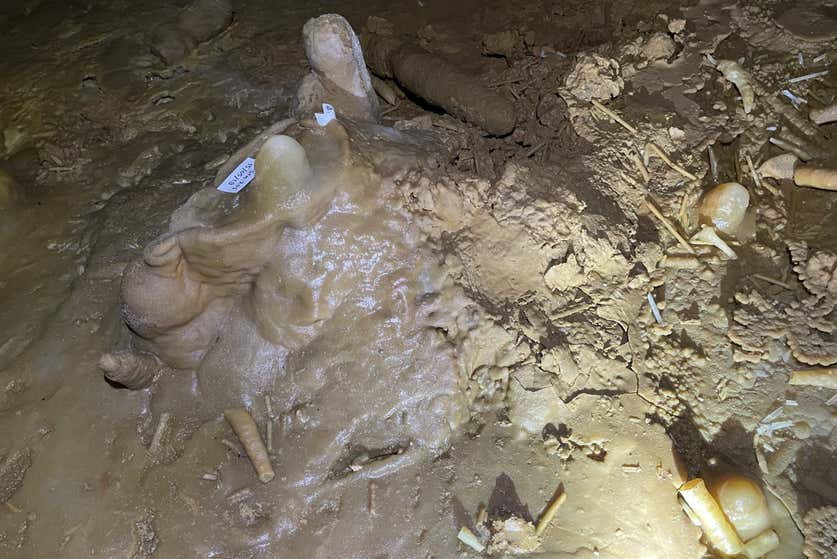
This knee impression was preserved due to coverage by a thin coat of calcium carbonate, the mineral responsible for the stalagmites within the cave. This protective mineral layer safeguarded the imprint, while much surrounding evidence vanished over time.
Sophie Verheyden explained that subsequent cave bear activity had disturbed many surface traces. Analysis by a specialist in prehistoric bear prints confirmed the mark was not animal in origin. Still, researchers refrain from definitively concluding it as a human kneeprint.
“It’s just a hypothesis,” Verheyden said during a presentation at the European Geosciences Union meeting in Vienna on May 4. She added that: “To be sure of that, we need a lot of imprints of knees to compare it to.”
There is also potential for recovering biological residues. Mareike Stahlschmidt from the University of Vienna noted that DNA might infiltrate calcite and remain intact under specific conditions. Scientists hope that traces of skin cells, hair, or blood could have been preserved if mineralization happened quickly after the impression was made.
Neanderthals Constructed the Underground Circles
The circular formations within Bruniquel cave continue to baffle archaeologists nearly 30 years after their discovery. These were built with broken stalagmites, some exceeding 20 centimeters thick at the base, according to a study in Nature.
Verheyden pointed out that such large stalagmite fragments were unlikely to result from damage caused by cave bears. Her group recently identified several original stalagmite bases and dated their breakage to coincide with the construction of the circles.
The newest findings, outlined in a Quaternary Science Reviews publication, utilized radioactive isotope dating of calcite deposits to determine the age. The results date the activity to approximately 175,000 years ago. The circles are credited to Neanderthals, as Homo sapiens had not yet arrived in Europe at that time.
“We don’t know of any other humans present at that period,” Verheyden said.
Enigmatic Cave Structures
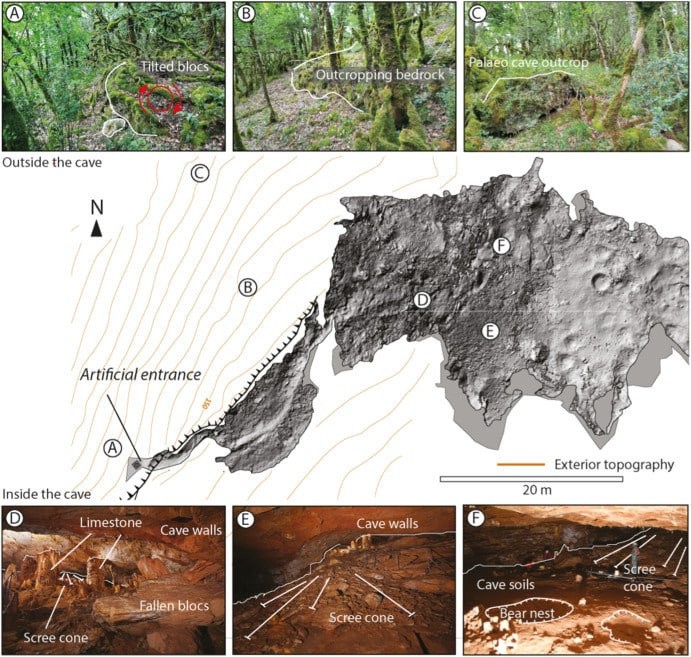
A key mystery is why Neanderthals ventured so deep into the cave to build these circles. The formations exist in completely dark zones with no natural light.
“You need to be sure of your light when you go 300 meters underground,” Verheyden noted. The study’s authors also argued that “their presence at 336m from the entrance of the cave indicates that humans from this period had already mastered the underground environment, which can be considered a major step in human modernity.”
Evidence of fire close to the structures implies that the space was illuminated when used. Due to the isolated and dark location deep within the cave, researchers suggest these circles were unlikely to serve as ordinary shelter. This unique setting has prompted theories about cultural or symbolic uses, though the team remains cautious pending stronger proof.
Scientists are currently developing techniques to trace the origin locations of each stalagmite within the cave. Verheyden indicated this could reveal whether the builders intentionally selected materials from specific areas rather than simply using nearby fragments.
- Categories:
- Science




0 comments
Sign in to Comment