
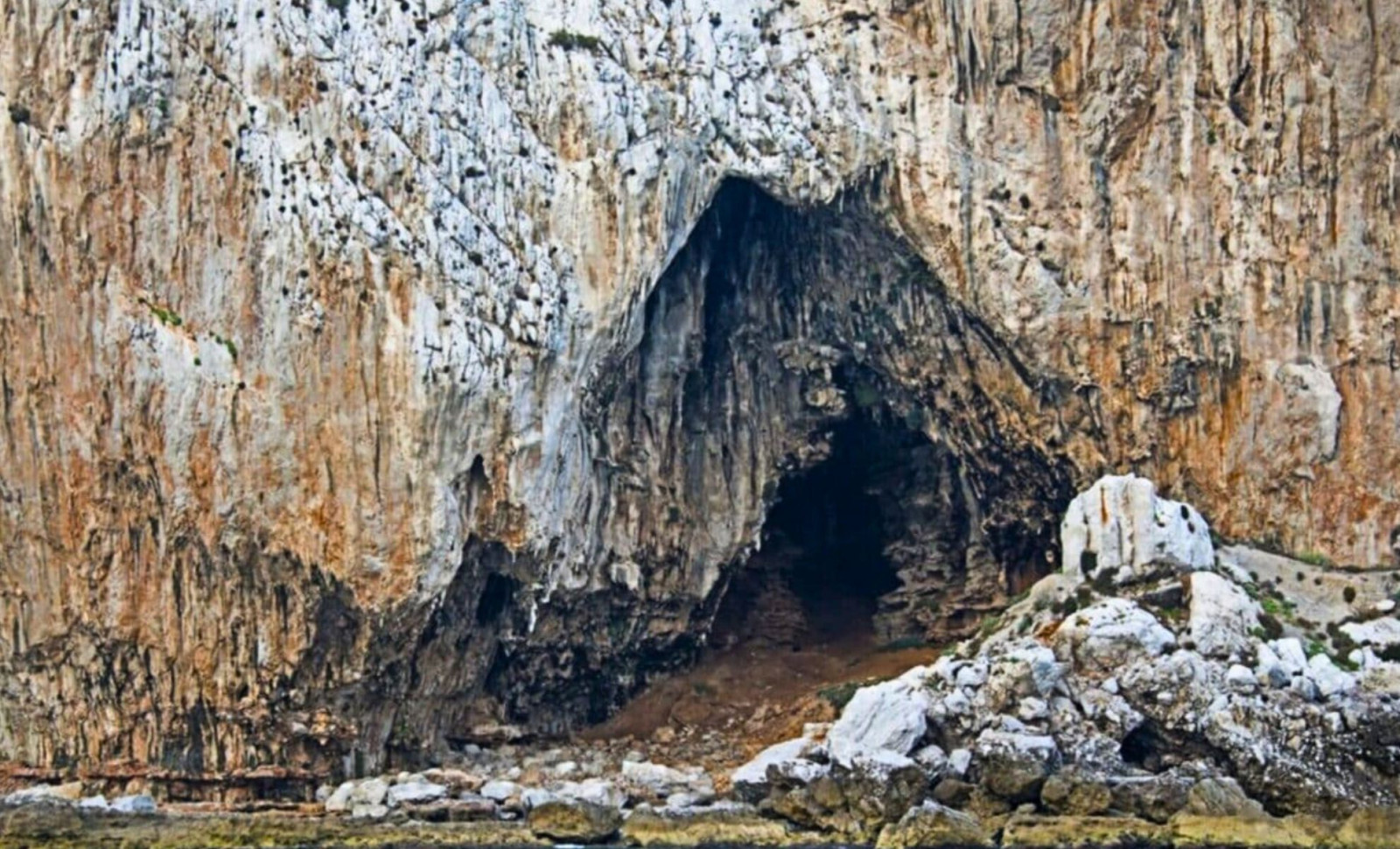
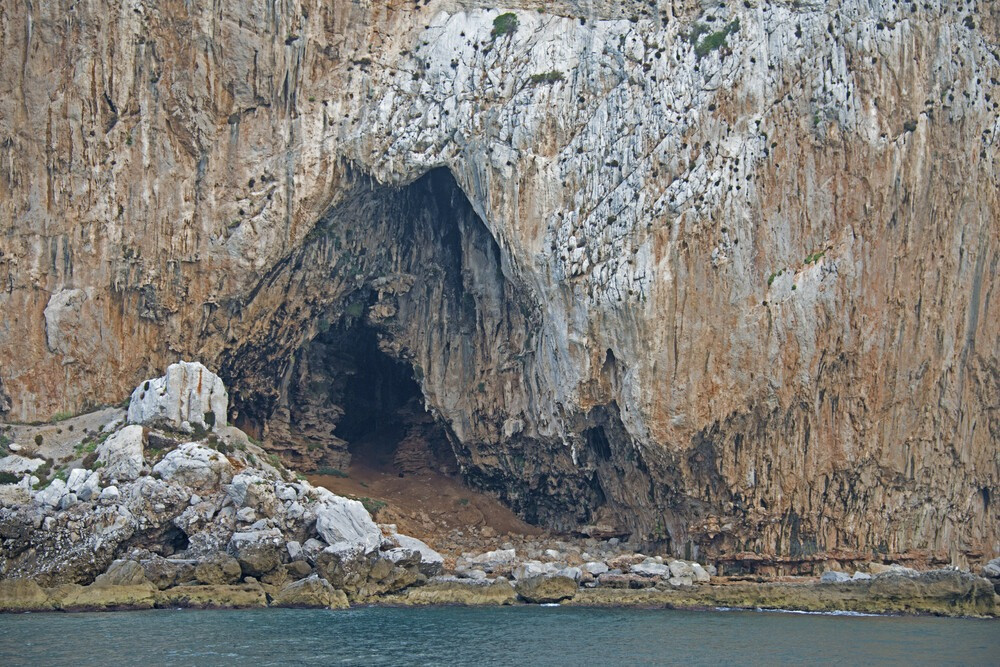
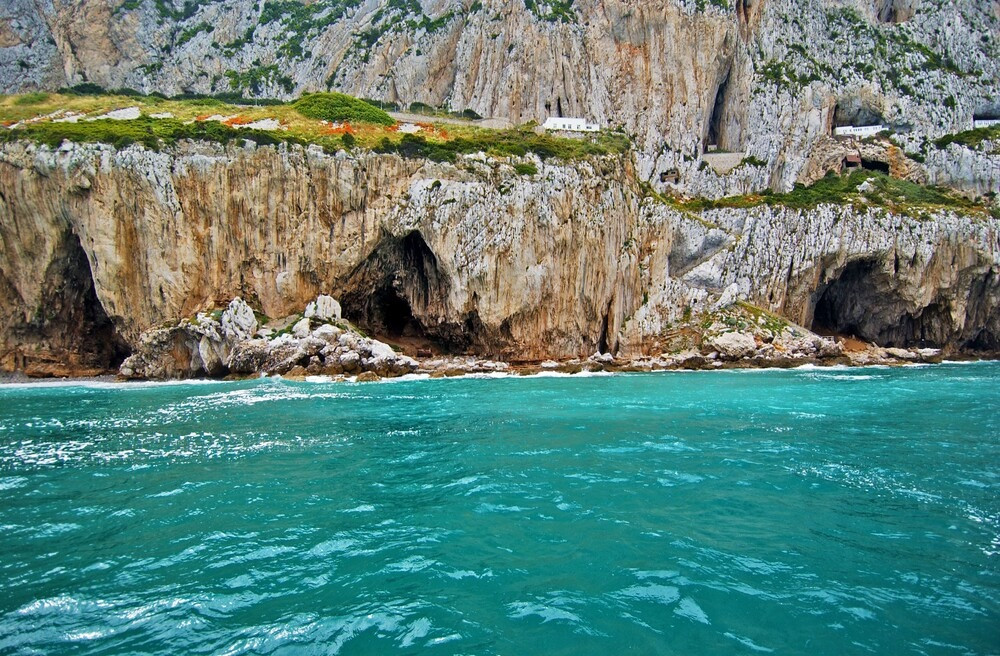
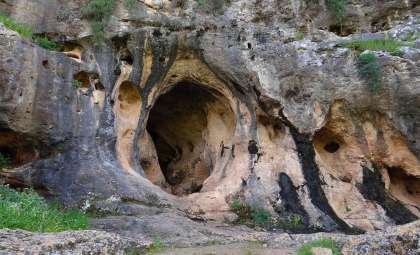
Steep limestone cliffs at the Rock of Gibraltar rise dramatically above the Mediterranean, peppered with intricate crevices and shadowy cave entrances. Scientists have dedicated countless years to digging through layers of sediment and ancient remnants within these coastal formations. Although exposed to relentless coastal weathering, the cave interiors conserve a detailed prehistoric timeline.
Archaeologists often maneuver through tight corridors obstructed by natural rockfalls from ages past. Such blockages have served as protective barriers, shielding these interiors from environmental changes and human impact. The unique geology of the Gorham’s Cave Complex makes it possible to recover organic materials that would normally disintegrate outside such sheltered conditions.
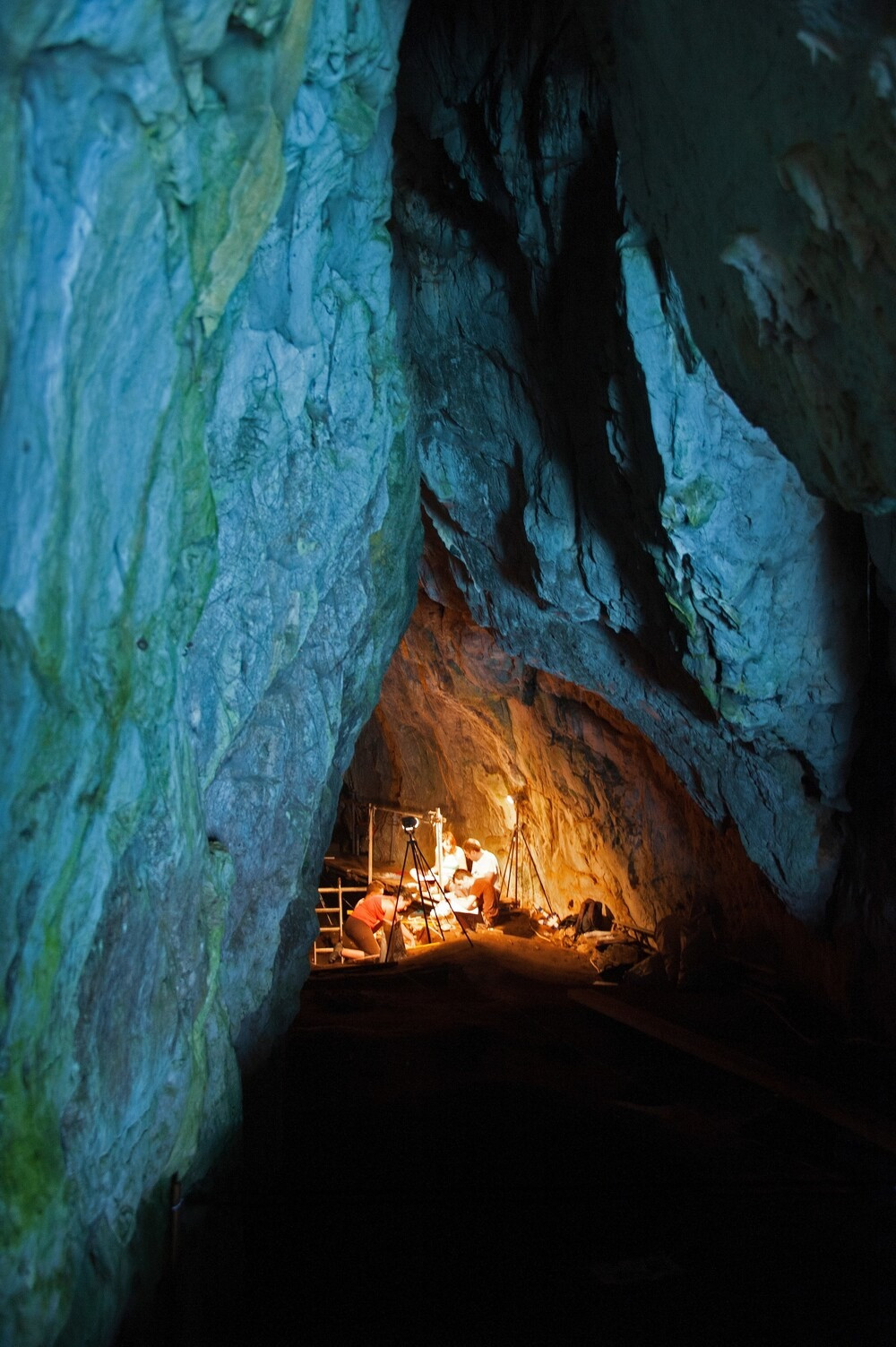
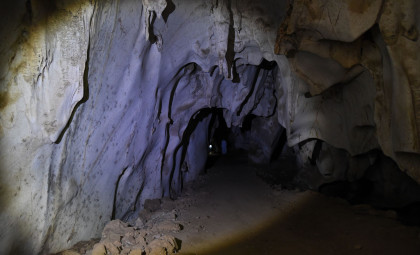
The recent focus was on an area within the Vanguard Cave where a dense sand deposit blocked a secondary entrance. Researchers carefully squeezed through a narrow roof gap to reach a chamber untouched by external light or air since the Late Pleistocene. Navigating this space required specialized lighting and meticulous steps to keep the delicate floor intact.

Led by Professor Clive Finlayson, Director of the Gibraltar National Museum, the team discovered this hidden enclave. The museum’s staff and local scientists have long been exploring the cave system to shed light on the concluding phases of the Paleolithic period. This particular study aimed at documenting Vanguard Cave’s inner architecture to locate previously unknown voids.
The explorers succeeded in exposing a 13-meter-deep chamber at the back end of the caves. Entering revealed a deposit sealed by a sand collapse around 40,000 years ago, with pristine walls and ceiling offering a rare glimpse into the environment contemporaneous with Neanderthal inhabitants.
Traces of Prehistoric Life
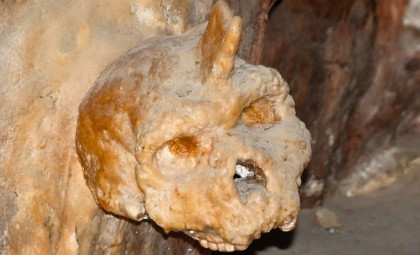
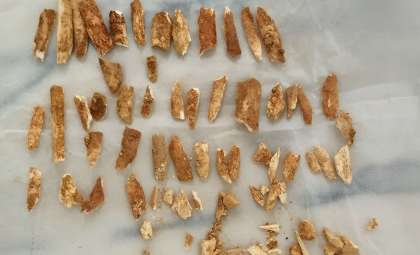
Early examination of the chamber’s floor uncovered animal remains alongside evidence of predatory activity. Among the finds were a lynx leg bone, spotted hyena vertebrae, and a griffon vulture wing bone. These remains suggest the cave intermittently served as refuge for various wildlife when not occupied by hominin groups.
A highlight in the new chamber was a large whelk shell showing signs of handling. Found far from the ancient shoreline of the period, the shell was likely purposefully transported into the cave. According to reports on the sealed chamber, the shell indicates intentional gathering of coastal resources.
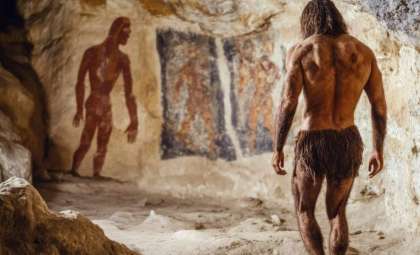
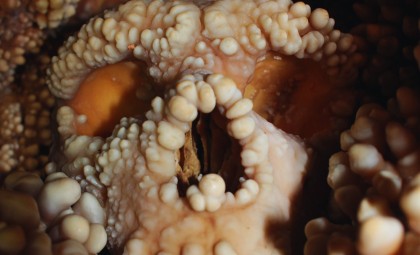
The team also detected "scalloping" impressions on the walls, formed by ancient water or clawing, near which they located Mousterian stone tools. These artifacts, typical of late Neanderthal technology, lay scattered along the surface rather than buried, implying they were left behind shortly before the chamber was closed off.
"These findings mark a thrilling advancement in our understanding of history," commented Fabian Picardo, Gibraltar’s Chief Minister. The regional authorities have supported the excavation as the site offers insights into the lives of Homo neanderthalensis inhabiting the Iberian Peninsula’s southern fringe.
The Final Sanctuary of an Extinct Species
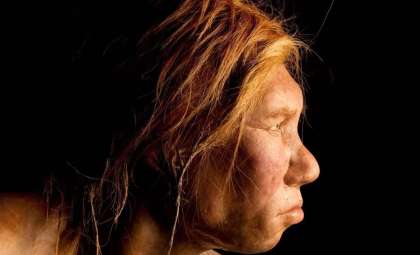
The Gorham’s Cave Complex holds a UNESCO World Heritage status due to its dense concentrations of Neanderthal archaeological sites. Evidence from the region suggests Neanderthals persisted in Gibraltar far longer than elsewhere in Europe. The newly uncovered chamber offers direct evidence of cultural behavior among the last surviving Neanderthal populations.
Researchers propose that Gibraltar’s climate remained relatively stable while much of Europe endured severe glaciation. This climate refuge enabled Neanderthals here to continue hunting a variety of animals and gathering plants long after northern groups disappeared. Comprehensive climatic and sediment studies support the idea that this locale acted as a last refuge for the species.
Discovering a child’s milk tooth near the chamber’s entrance provides additional proof that family units inhabited the space. The tooth, found within sediment layers linked to Neanderthal activities, indicates the site was used for domestic living, not merely seasonal hunting. Researchers are now analyzing microfossils and pollen in the sediment to reconstruct the ancient environment.
Exploring the Depths
The Gibraltar National Museum team plans further excavations to locate possible burial areas deeper inside the limestone. The chamber’s long-sealed condition means soil chemistry remains unaltered by modern contaminants, offering prime conditions to extract ancient DNA from sediment samples.
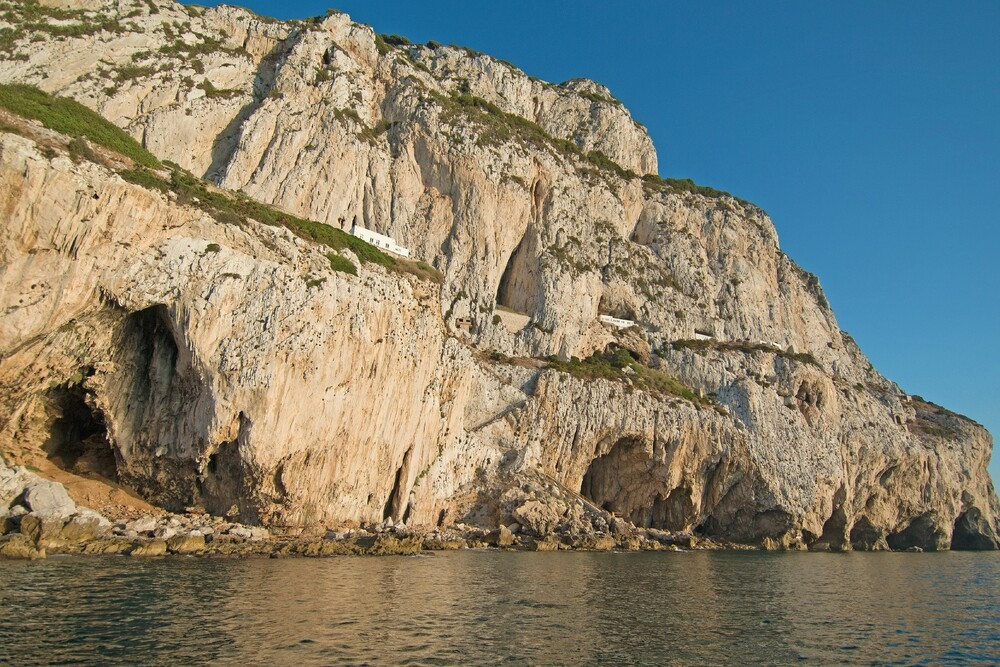
Current discoveries point to Neanderthals’ advanced social organization and resource management. They used the vantage point of the Rock of Gibraltar to monitor animal movements across coastal plains while sourcing protein from nearby marine life such as shellfish and sea mammals.
The Vanguard Cave chamber complements a larger network including Gorham’s Cave, where earlier excavations unearthed ancient engraved markings. These crisscross patterns are among the earliest known Neanderthal abstract art. This new space could reveal further cultural artifacts preserved from erosion.
- Categories:
- Science




0 comments
Sign in to Comment