
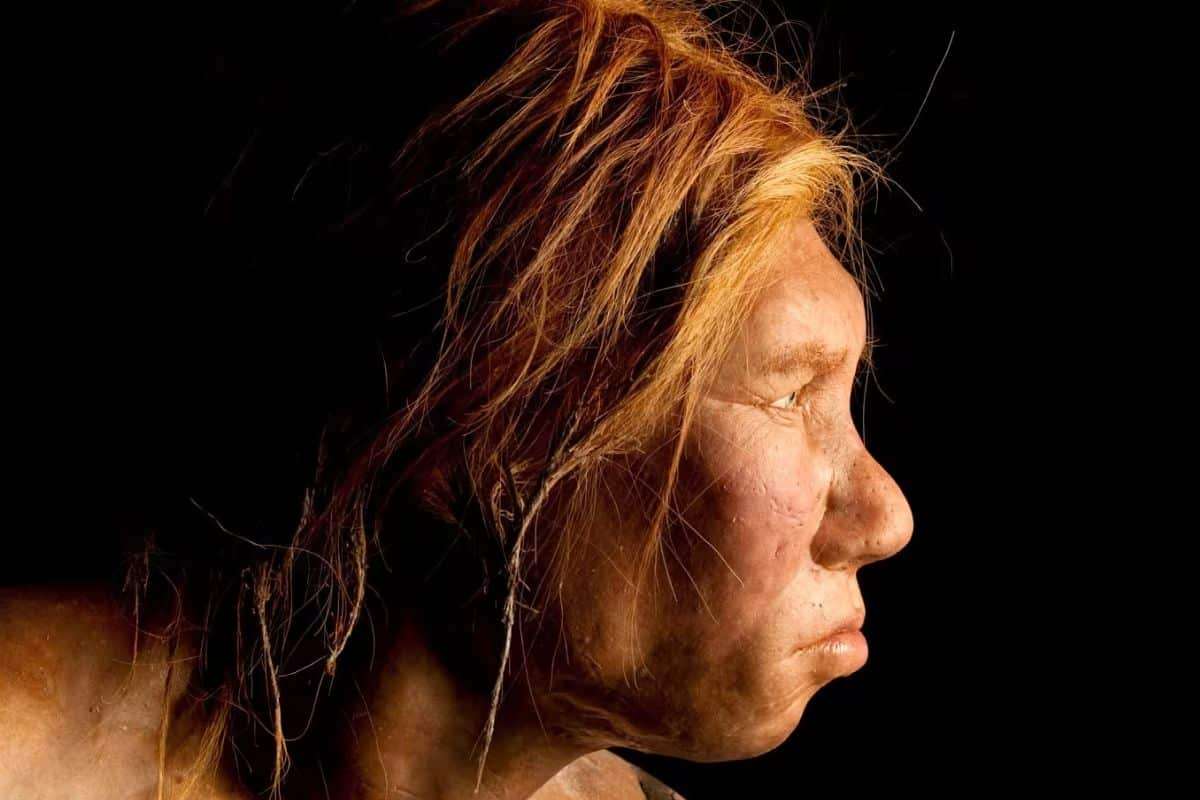
Distinct differences in facial anatomy separate modern humans from their extinct relatives like Neanderthals. New research is shedding light on how these evolutionary paths led to uniquely human facial characteristics.
Contrasting Facial Features of Humans and Neanderthals
Our faces differ notably from those of Neanderthals, who exhibited notably larger and sturdier facial bones compared to the finer, more delicate faces of modern Homo sapiens. Anthropologists have long sought to understand the reasons underlying these prominent variances.
A recent investigation examined growth patterns in facial bones across modern humans, Neanderthal fossils, and chimpanzees.
Alexandra Schuh, leading researcher at the Max Planck Institute for Evolutionary Anthropology, described the findings: “The change in late-stage development appears crucial. Unlike Neanderthals and chimpanzees, who exhibit prolonged facial growth, human facial development halts earlier, typically by adolescence, resulting in a smaller adult face.”

Detailed Analysis of Facial Growth Patterns
The research highlights that while Neanderthals and other ancient hominins experienced continued facial growth throughout adulthood, modern humans display a significant slowdown during teenage years. This developmental shift yields a compact and comparatively smaller facial structure versus the broader, more expansive shapes of our ancestors.
Incorporating data from chimpanzees enabled a comprehensive perspective on primate facial evolution. Despite sharing many anatomical traits with humans, chimpanzees' facial proportions differ, underscoring a unique growth pattern in modern humans.
This distinctive trajectory of facial development may reflect evolutionary adaptations aimed at conserving energy while maintaining critical functions like mastication.
Examining the Biological Mechanisms Behind Facial Growth
Key distinctions between humans and Neanderthals arise from the temporal dynamics of bone growth.
As reported by Earth.com, “Species with larger faces sustain intense bone growth over extended periods, producing thicker and more protruding facial features.” Neanderthals' extended growth phase fostered pronounced jaw and midface development, creating their characteristic robust appearance.
This prolonged bone growth proved advantageous for Neanderthals’ dietary needs and lifestyle. In contrast, modern humans exhibit earlier cessation in the growth of the maxilla (upper jaw), which limits forward projection of facial bones.
Influences of Genetics and Environment
Beyond lifestyle and dietary factors, genetic mechanisms are believed to significantly influence facial growth timing. Hormonal changes during adolescence may also play a role in determining the rate of bone development.
Nonetheless, researchers emphasize that the interaction between genes, environmental conditions, and hormonal effects remains complex and requires further study.
This emerging understanding can illuminate how shifts in diet, food processing methods, and social behaviors potentially impacted the evolution of human facial traits.
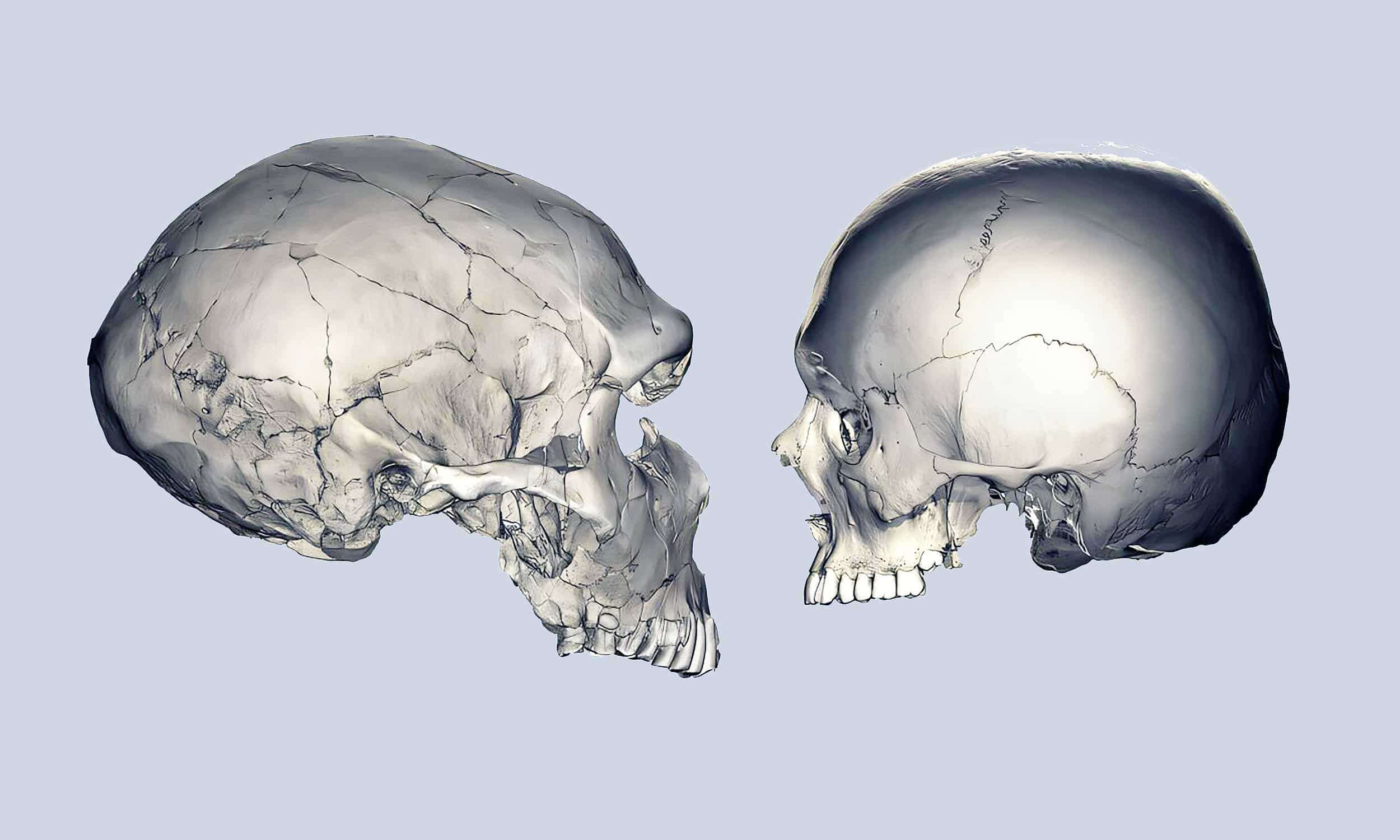
Photo credit: Philipp Gunz
Building on these findings about facial development, the team plans to analyze additional fossil specimens spanning various epochs. By studying facial growth trends among diverse ancient populations, they hope to determine if similar evolutionary patterns emerged across different environments and regions.
.
- Categories:
- Science











0 comments
Sign in to Comment