
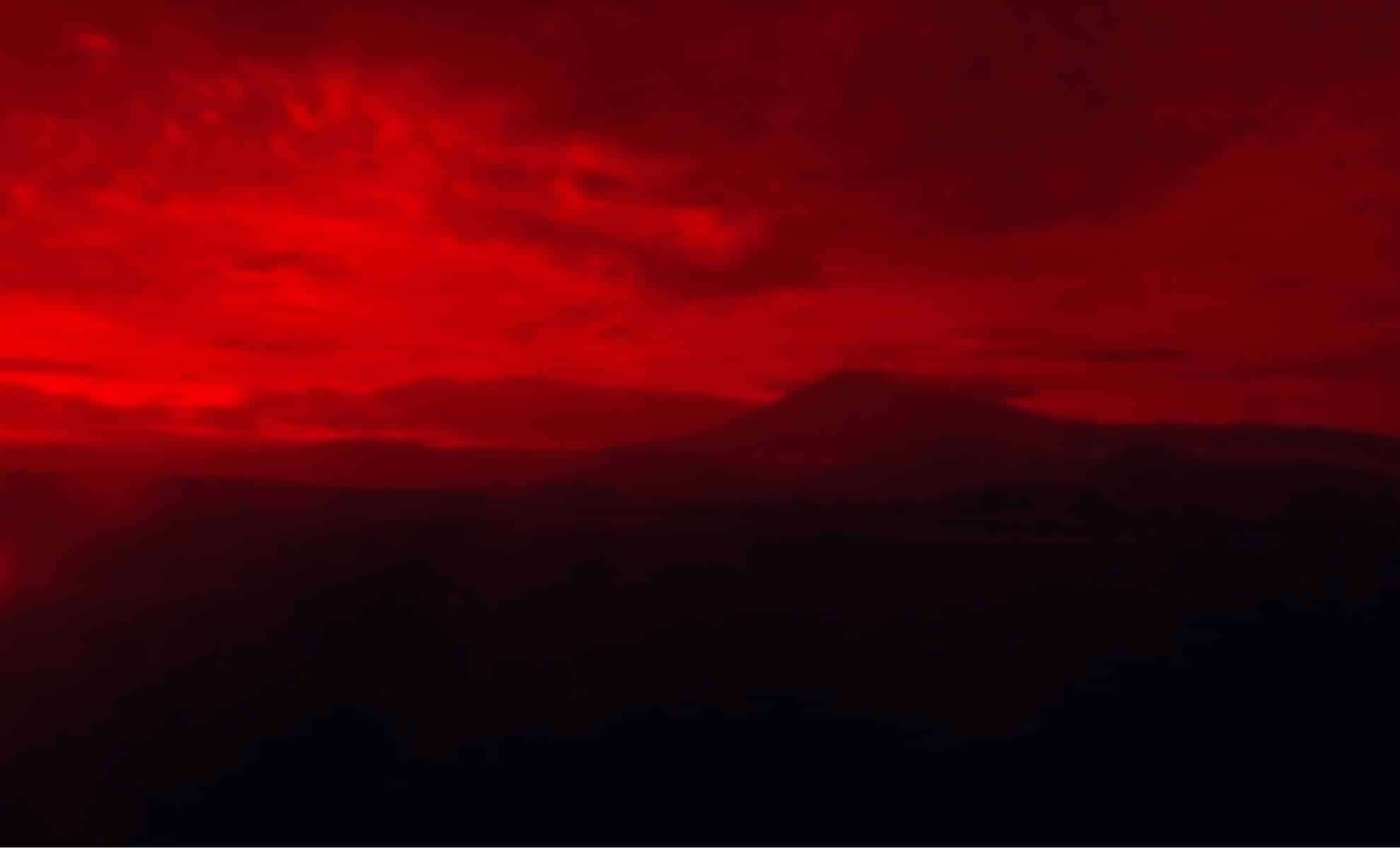
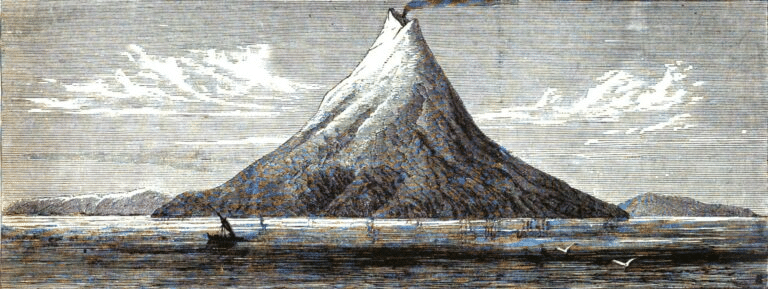
In August of 1883, the massive eruption of Indonesia’s Krakatoa volcano set off a chain of atmospheric changes that transformed skies across the globe in unforgettable ways. This colossal volcanic event propelled clouds of ash and sulfur-laden aerosols more than 30 kilometers high into the stratosphere. As these particles spread worldwide, they interacted with sunlight to produce extraordinary visual effects. A 2024 publication in Atmospheric Chemistry and Physics reveals how the eruption altered Earth's atmospheric optics over several weeks, generating vivid phenomena such as intense red skies, a blue-tinted Moon, and greenish sunsets. These remarkable colors were not illusions but direct results of volcanic materials impacting global atmospheric chemistry and physics.
Skies Ablaze: Immediate Visual Impact
Reports began flooding in within days of the eruption, describing sunsets so vibrant they captured everyone’s attention. A memorable 1883 account in The New York Times portrayed a scene reminiscent of the sky being engulfed in flames:
“Shortly after 5 PM, the western horizon ignited into a brilliant scarlet, bathing the sky and clouds in crimson. Passersby were stunned by the extraordinary spectacle... The clouds deepened into a blood-red shade, casting a fiery glow upon the ocean.”
This was no usual sunset. Modern science attributes this to stratospheric aerosols carried by equatorial air streams, which scattered away shorter blue and green light waves, allowing red hues to dominate. These airborne particles lingered for months, causing distant locales such as London, New York, Sydney, and Cape Town to witness prolonged red glows after dusk, sometimes painting half the night in fiery tones. In an era without electric lights, this rare natural display sparked awe and unease across the world.

The Moon’s Blue Glow and Unusual Green Sunsets
While red-hued skies were more easily explained, the Moon’s strange transformation into a steel-blue color baffled many observers globally for several weeks. Some speculated a cosmic atmospheric shift, but scientists now understand this effect was caused by volcanic particles about one micron in size scattering red light while letting blue light reach observers’ eyes, resulting in this unnatural lunar shade.
Equally puzzling were reports of green-tinted sunsets visible in parts of the Northern Hemisphere. These rare green glows, caused by sunlight refracted through volcanic haze and thin clouds, resembled the fleeting “green flash” sometimes seen over oceans but lasted consistently for days. Wide-reaching reports from different continents verify the authenticity of these sightings and provide valuable insight into how variables such as aerosol concentration, sunlight angles, and altitude shape atmospheric light phenomena.
Enduring Significance of Krakatoa’s Atmospheric Effects
Krakatoa’s eruption stands out not only for its destructive power but also for the exceptionally high altitude and extensive dispersion of volcanic materials into the stratosphere. The recent 2024 study in Atmospheric Chemistry and Physics highlights how this eruption’s equatorial position enabled the aerosols to spread evenly across both hemispheres, enabling a global optical impact. These factors are critical to understanding how volcanic emissions influence atmospheric and climatic feedback mechanisms.
Today, the aftermath of Krakatoa serves as a vital case study for scientists investigating how volcanic aerosols modify solar radiation, surface temperatures, and precipitation cycles. With climate systems increasingly vulnerable to external disturbances, examining how particles interact with light high in the atmosphere is essential for accurate future climate predictions. As researchers assess the risks posed by large volcanic events amid global warming, Krakatoa’s atmospheric legacy remains a key reference for studying both optical anomalies and their broader climatic consequences.
- Categories:
- News



0 comments
Sign in to Comment