
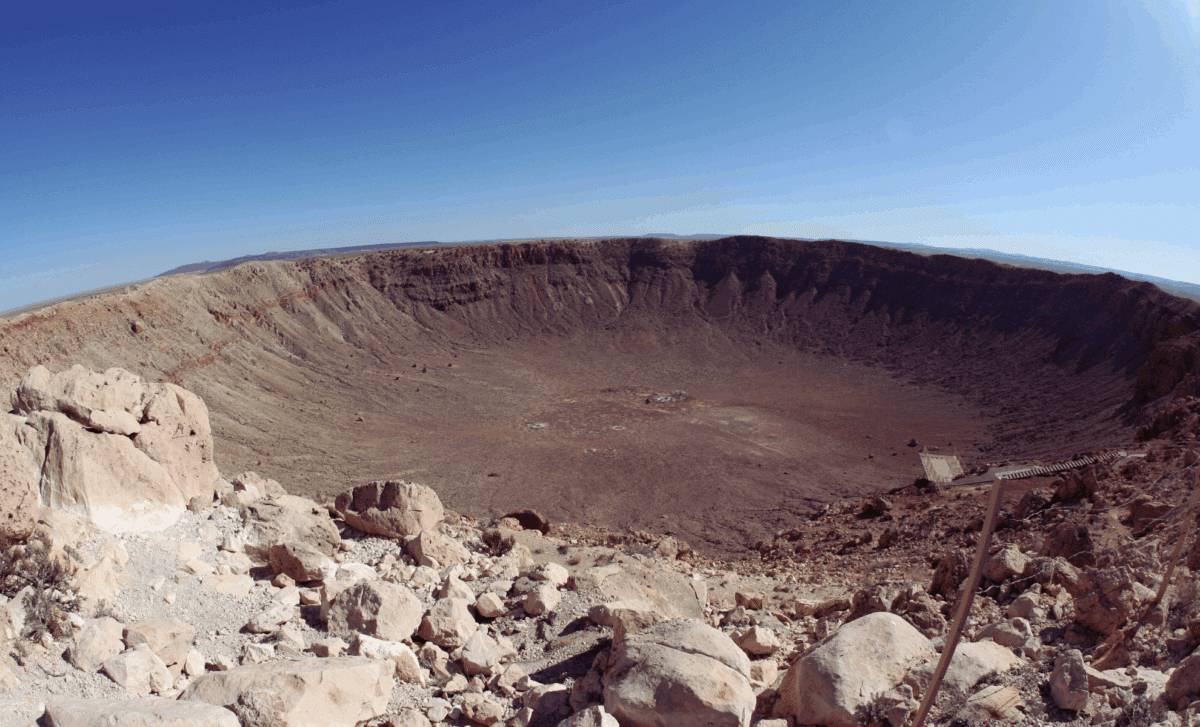
Asteroid collisions are often associated with extinction events and devastating impacts. Yet, new research reveals a more hopeful narrative, showing that some impact craters can foster environments where microorganisms endure and flourish. This pioneering work reshapes our perspective on life’s durability and hints at exciting directions for astrobiology. The study featured in Nature Communications presents evidence that such craters may act as sanctuaries for life on Earth and potentially other worlds.
The Lappajärvi Crater: A Microbial Haven From 78 Million Years Ago
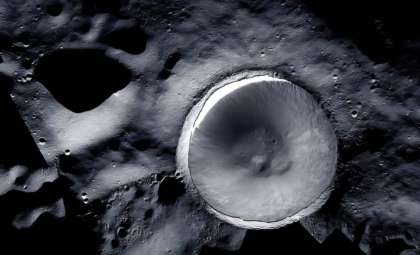
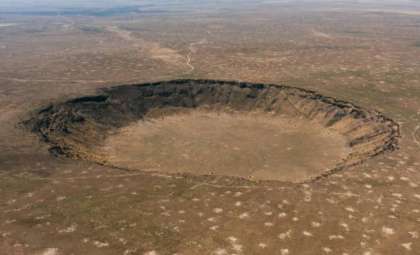
Approximately 78 million years in the past, an enormous asteroid struck the Finnish landscape, resulting in the formation of the Lappajärvi impact crater, spanning roughly 23 kilometers wide and 750 meters deep. Typically seen as catastrophic, this crater provides compelling proof that microbial life not only endures but also prospers in the aftermath of such impacts. Led by Jacob Gustafsson at Linnaeus University, this groundbreaking research is the first to conclusively correlate microbial existence with asteroid impacts through geochronological techniques, illustrating life’s remarkable ability to recover and adapt following massive disruptions.
Gustafsson emphasized, “What’s truly remarkable is that we can determine precisely when microbial life re-emerged, offering a detailed timeline of survival after a catastrophic event.” This discovery advances our comprehension of how microbial communities repopulate severe environments, highlighting life’s adaptive responses to sudden environmental upheavals.

Dating Microbial Revival: Geochronology Sheds Light on Recovery
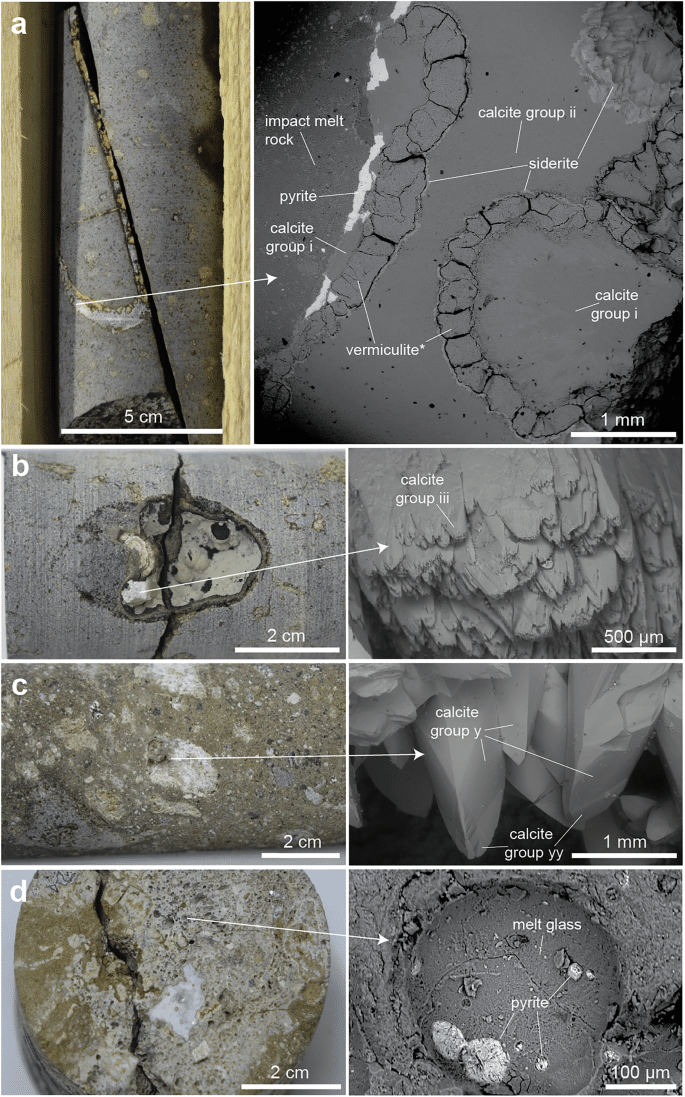
The utilization of geochronological tools was instrumental in precisely dating when microbes began to repopulate the Lappajärvi crater. This represents an unprecedented level of accuracy in documenting microbial resurgence linked directly to an impact event. Through detailed examination of sedimentary and rock strata within the crater, researchers traced the gradual reestablishment of life over several million years. Evidence indicates that microbial colonies emerged only a brief geological period after the impact, implying that such craters can provide long-lasting, life-supporting conditions including essential nutrients, sustained heat, and moisture.
Henrik Drake, senior author and professor at Linnaeus University, underscored the importance of these findings:
“This is the first time we can directly link microbial activity to a meteorite impact using geochronological methods. It shows that such craters can serve as habitats for life long in the aftermath of the impact.”
Drake’s statement highlights the revolutionary nature of the research, which not only confirms the presence of life but also offers a precise timeline for its development, laying groundwork for future exploratory studies.
Astrobiology Prospects: Could Martian Craters Support Life?
Extending beyond our planet, the study raises captivating questions about whether similar asteroid impacts on Mars could have formed habitable refuges. Despite Mars’ harsh, arid landscape and thin atmosphere, impact craters there might have created localized niches analogous to Earth’s Lappajärvi crater, where microbial life could potentially thrive.
Dr. Gordon Osinski, co-author and professor at Western University, reflected on how this research addresses longstanding uncertainties:
“Previously, we’ve found evidence that microbes colonized impact craters, but there has always been questions about when this occurred and if it was due to the impact event, or some other process millions of years later. Until now.”
This insight suggests that rather than solely causing destruction, asteroid impacts might have played an essential role in creating and maintaining environments suitable for life on planets with hostile conditions, like Mars.
Lessons for Earth: Insights Into Life’s Robustness
The revelations from the Lappajärvi crater study also have profound implications for understanding how life on Earth withstands extreme challenges. While impacts often cause immediate devastation, the subsequent reappearance and persistence of microbial life within this crater indicate that ecosystems possess remarkable resilience. This knowledge may inform how life adapts to future extreme events, whether natural or human-induced.
The endurance observed in these microbial communities pushes us to reconsider extinction models. Instead of total annihilation, asteroid collisions may have triggered the emergence of new life forms, fostering biodiversity and life’s adaptability under extreme conditions going forward.
- Categories:
- News




0 comments
Sign in to Comment