
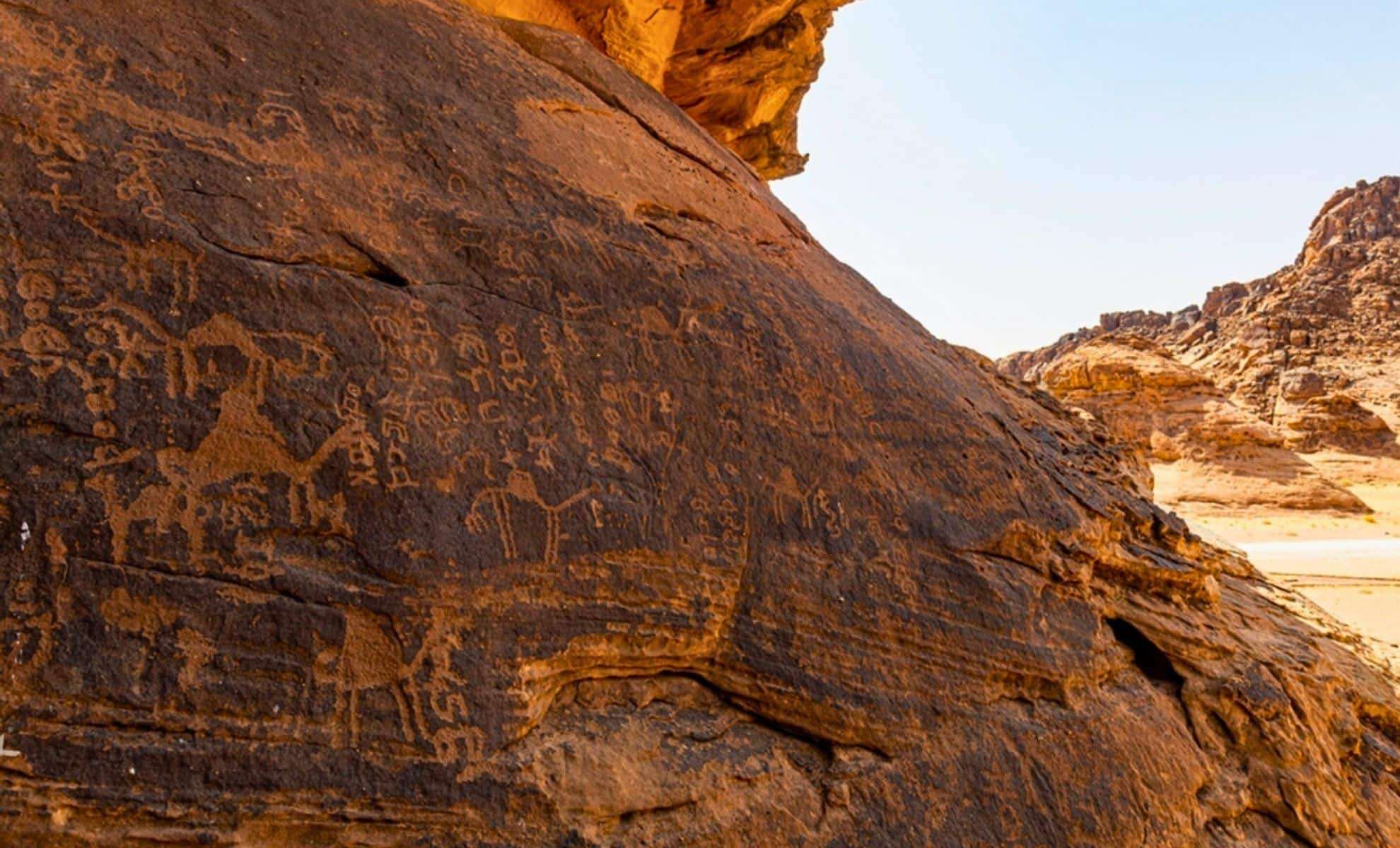
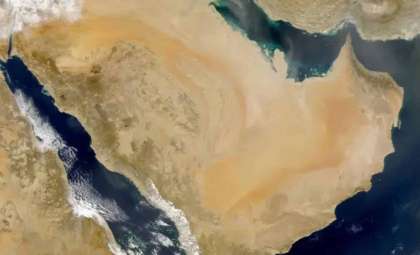
Deep within the deserts of northern Saudi Arabia, researchers have uncovered remarkable rock carvings dating back around 12,000 years, shedding new light on early human survival strategies.
These prehistoric etchings, located on cliffs and rock slabs, are believed to have served more than just artistic purposes. According to a study published in Nature Communications, they may have functioned as navigational aids, marking critical water spots and travel routes for communities adjusting to the climatic changes after the Last Glacial Maximum.
Revealing Treasures from Northern Arabia’s Desert
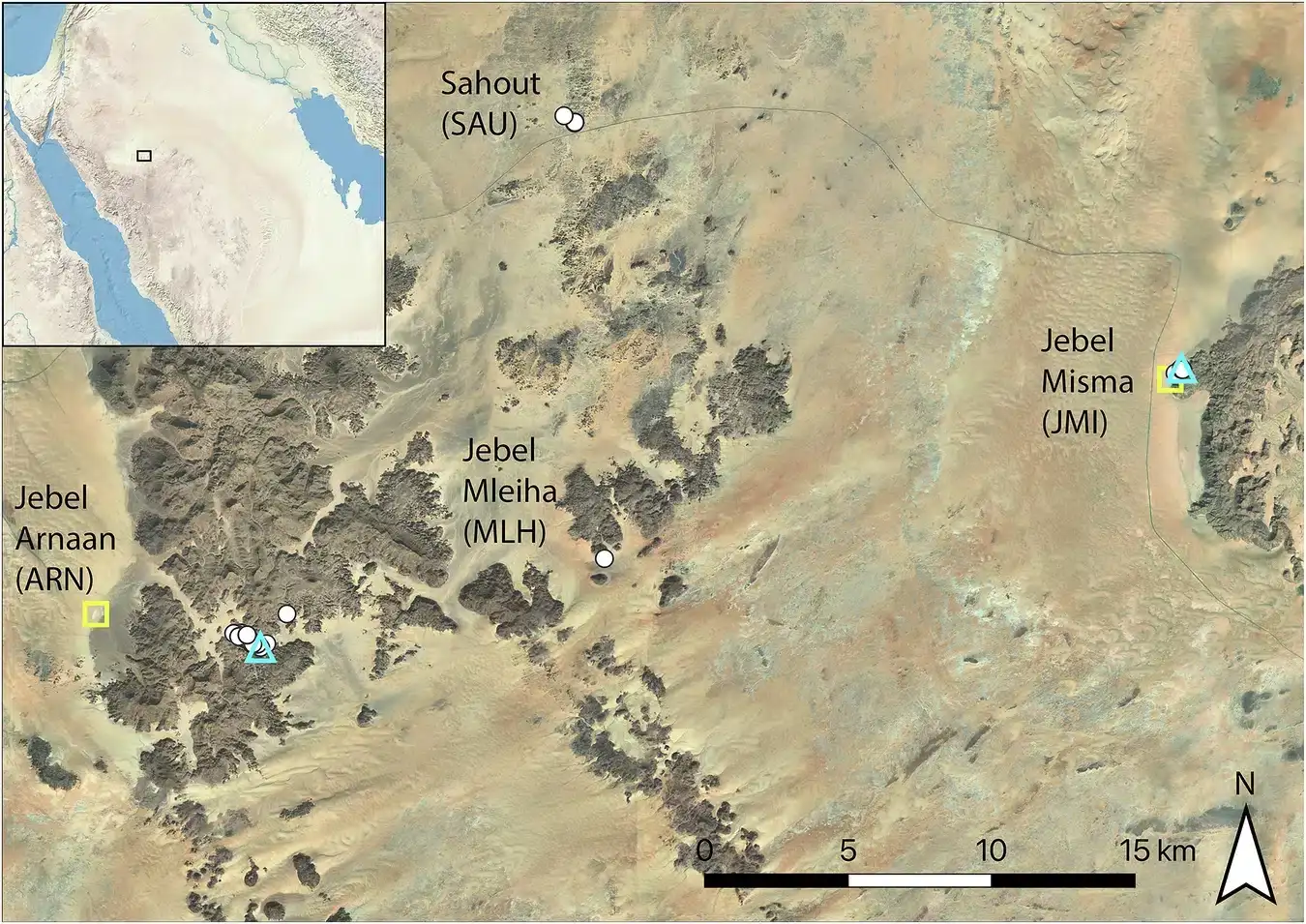
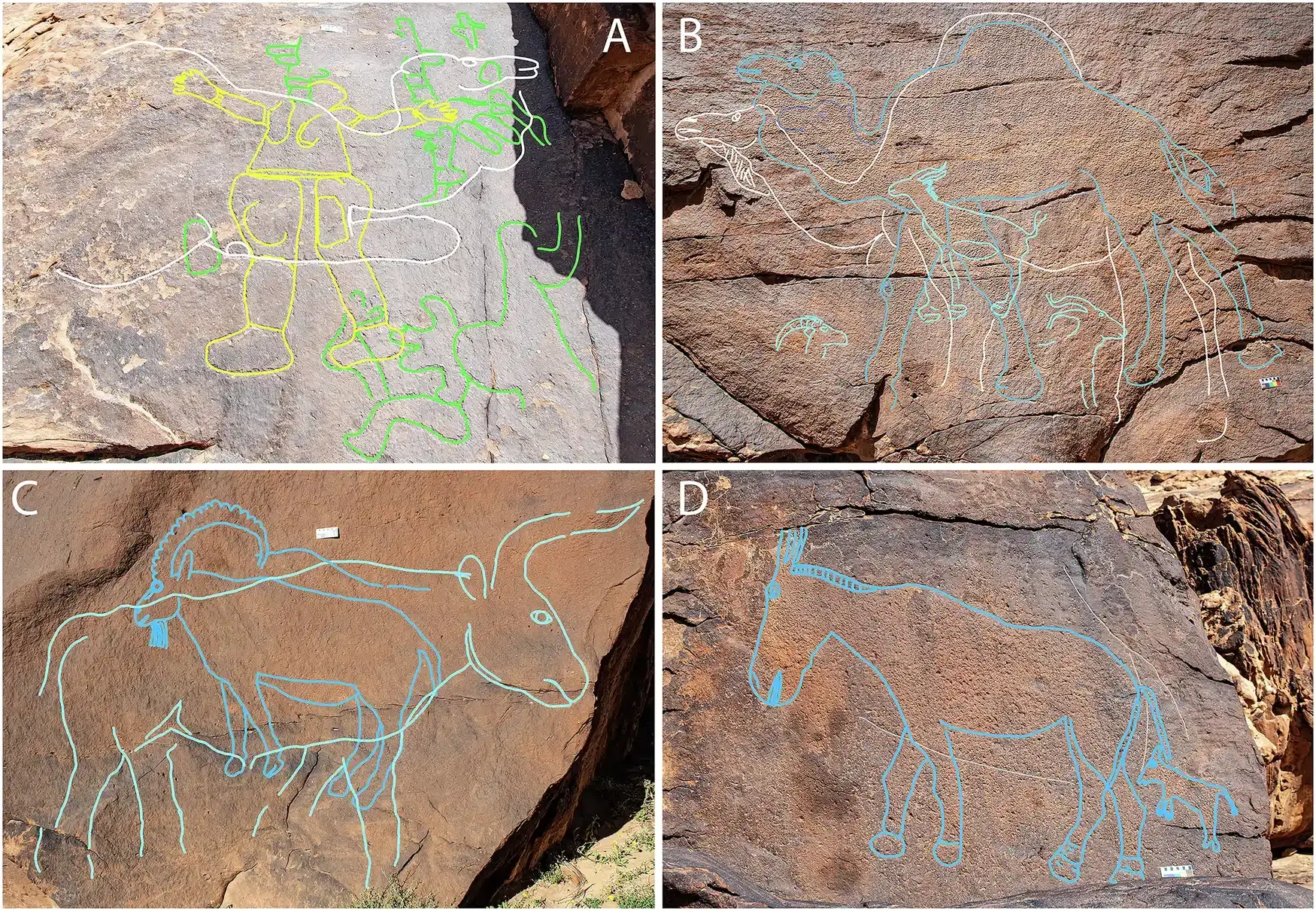
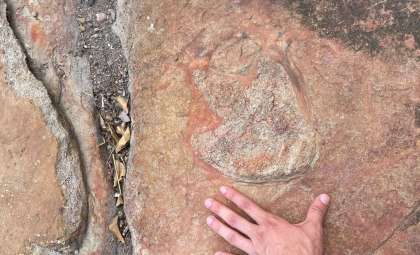
Led by archaeologists from the Max Planck Institute of Geoanthropology and University College London as part of the Green Arabia Project, the research uncovered over 60 rock art panels featuring 176 distinct engravings. These were discovered across three sites—Jebel Arnaan, Jebel Mleiha, and Jebel Misma—situated near the southern limit of the Nefud Desert. The images include realistic depictions of camels, gazelles, and ibex, with some rock figures exceeding 3 meters in length.

Created between roughly 12,800 and 11,400 years ago, the carvings date to a time when seasonal water bodies were reemerging in the area after a harsh dry spell caused by the LGM. These water sources were vital for enabling prehistoric humans to settle and flourish within the desert interior.
Functional Role of Rock Art in Ancient Navigation
Dr. Maria Guagnin from the Max Planck Institute explained, “These large engravings are not just rock art—they were probably statements of presence, access, and cultural identity.” The research suggests these impressive carvings acted as guides, pointing the way to crucial water sites similar to prehistoric landmarks or road signs.
These petroglyphs might also have delineated territorial borders or passed on vital survival knowledge from one generation to the next, helping communities endure the harsh desert surroundings.
The scale is noteworthy—many engravings are carved on cliffs towering up to 39 meters high, indicating tremendous skill and effort by prehistoric artists. Reaching such heights to carve these images demonstrates not only artistic dedication but also the importance these spots held for ancient peoples.
Insights from Camel Engravings and Ancient Connections
Additional findings include artifacts pointing to interactions with distant groups in the Levant. Objects like Levantine-style stone tools, green pigments, and dentalium shells indicate that early desert inhabitants were connected through trade or cultural exchange across large regions.
Dr. Faisal Al-Jibreen from the Heritage Commission of Saudi Arabia noted that these carvings illustrate “a distinct cultural identity adapted to life in a challenging, arid environment.” The impressive size, intricate detail, and strategic locations of these carvings distinguish them from other desert rock art discoveries, emphasizing the unique heritage of this area.
- Categories:
- News




0 comments
Sign in to Comment