
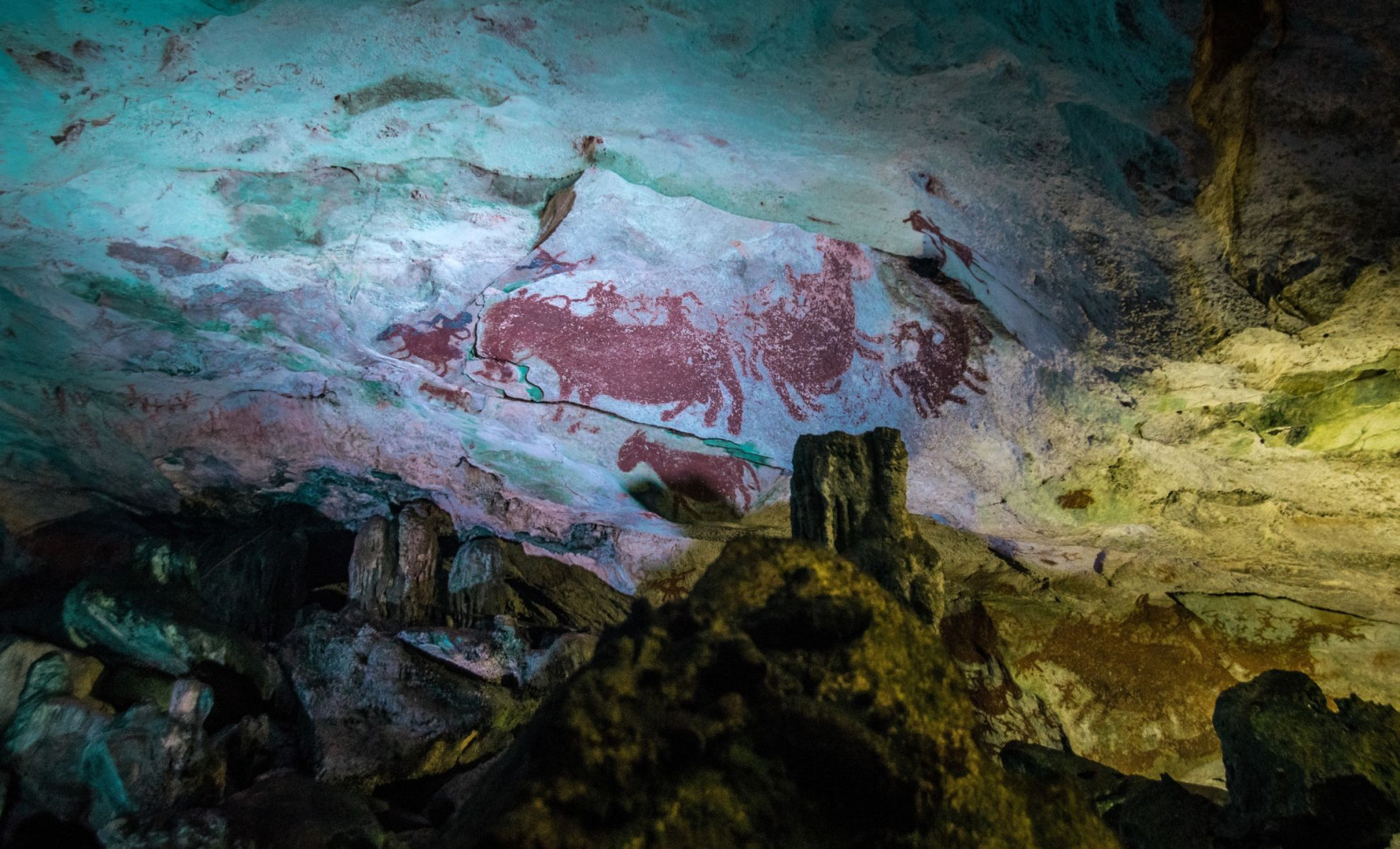
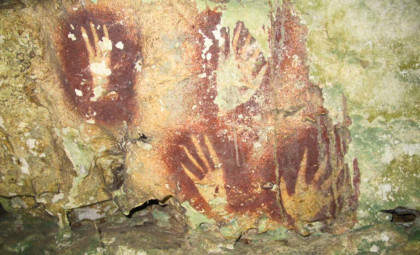
A striking rock painting found within a South African cave might represent one of the earliest artistic portrayals of an animal species extinct for over 250 million years. Known as the San people’s “Horned Serpent Panel,” this artwork displays a peculiar beast with tusks and an elongated form, despite the species never residing in that region. This discovery is generating excitement among researchers, who wonder if ancient rock art holds clues to prehistoric animals long before modern science documented them.
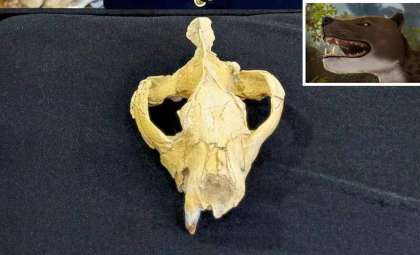
Created sometime between 1821 and 1835, the panel depicts familiar local wildlife. Yet one figure stands apart with an unusual shape that has perplexed scholars for years. Current research proposes the San artists may have drawn inspiration from the fossilized remains of the dicynodont, a long-vanished herbivorous reptile that once inhabited the Earth millions of years earlier.
The San People’s Deep Bond with Nature
The indigenous San communities of Southern Africa have a long-standing heritage of producing rock art featuring animals, human forms, and mythical entities. Among the many images on the “Horned Serpent Panel,” the enigmatic creature with tusks and an extended body continues to confound researchers.

This being, though likely symbolic or spiritual, has raised questions. Julien Benoit, a scholar from the University of the Witwatersrand, highlights that fossil remains of extinct species are prevalent in the region.
He proposes that these ancient fossils could have influenced San mythologies, prompting the depiction of creatures that existed long before human history.
A Rich Source of Fossils
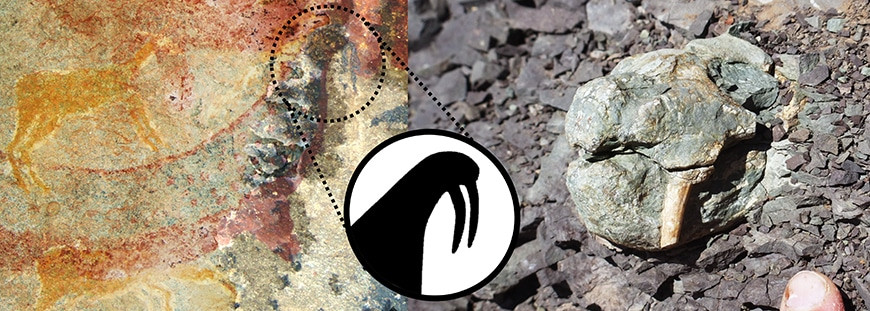
The Karoo Basin ranks among the planet’s most significant fossil sites, housing remains of creatures from hundreds of millions of years ago. Research published in PLOS ONE details the presence of dicynodont fossils—plant-eating reptiles with features closely matching the tusked figure portrayed by the San artists.
“I came across the Stow and Bleek book about San rock art and when I saw their beautiful reproduction of that tusked animal, I immediately thought that this could well be a dicynodont,” he recalled.
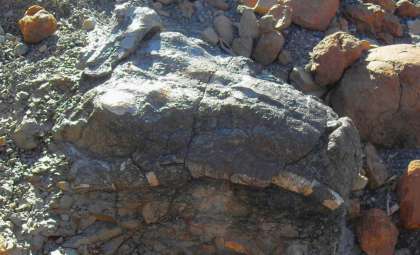
Benoit further noted that dicynodont fossils are especially abundant near the site of the rock art.
“This finding is extraordinary. It suggests that the San people were engaging in palaeontology long before Western scientists even knew these creatures existed,” he noted in a statement from the University of the Witwatersrand.
Legend Meets Prehistory
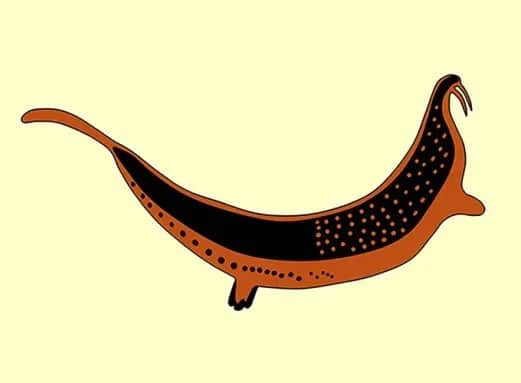
The link between folklore and fossil records is well-known, but the San’s rock art offers a unique window into how extinct species might have been echoed in ancient stories. While the San likely viewed this creature as a spiritual or mythical figure, their illustration could represent the earliest known visual record of an animal extinct before humans appeared.
“The dicynodont may have been depicted as a ‘rain-animal,’ a mythical creature in San cosmology. They might have held special significance in San paintings.”
According to Benoit, examining how these ancient depictions tie into real prehistoric animals could deepen our understanding of early human perspectives on their environment.
“This painting provides compelling evidence that they not only discovered these fossils but also attempted to reconstruct the living animal in their art.”
- Categories:
- News


0 comments
Sign in to Comment