
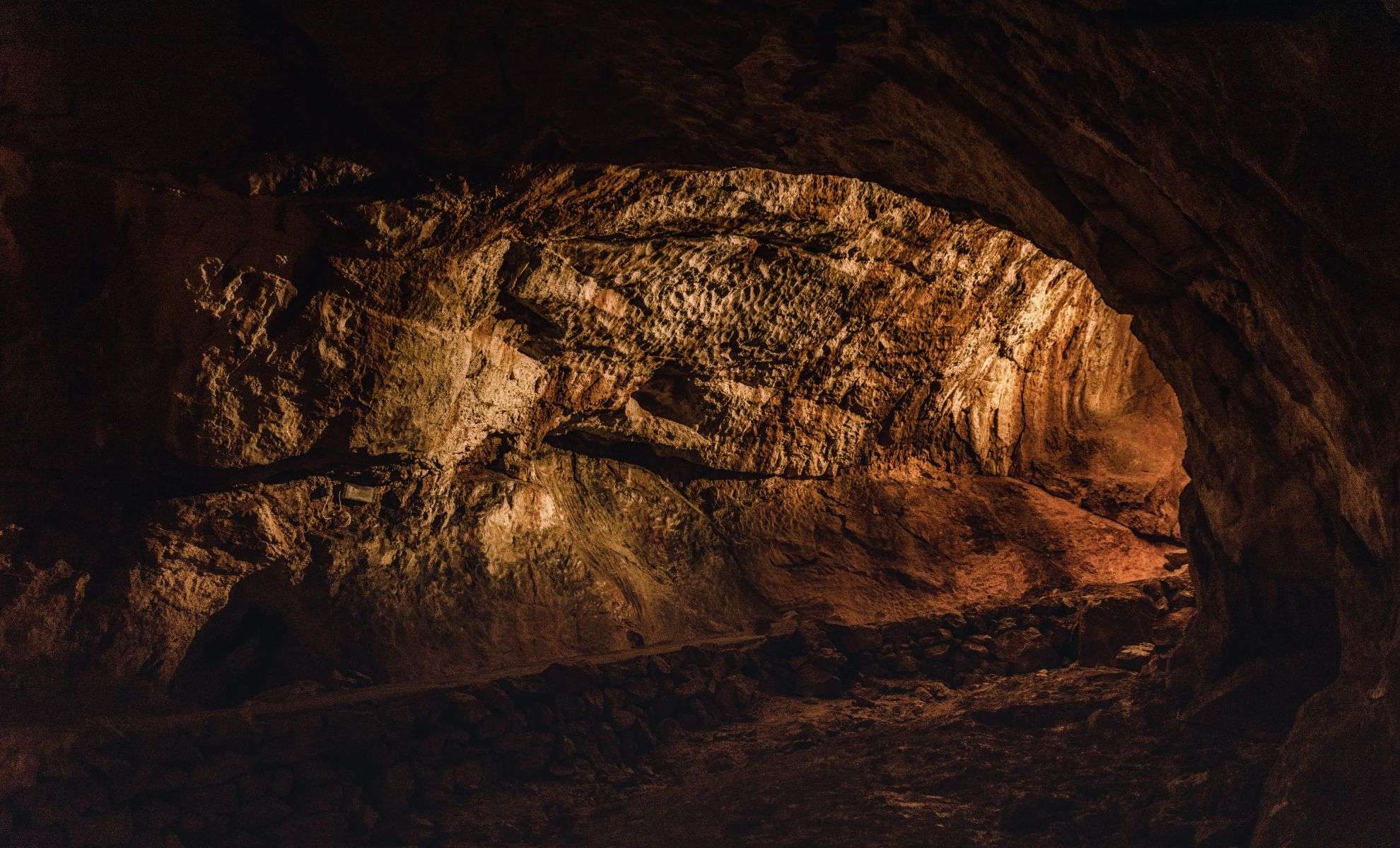
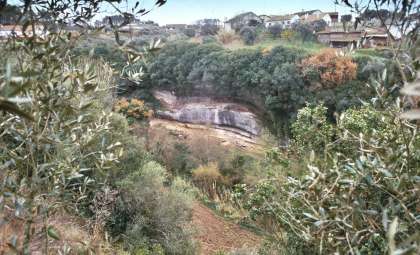
Hidden deep inside a cave overlooking France’s Loire River, researchers have identified some of the earliest known Neanderthal cave engravings. Buried beneath extensive sediment layers for tens of millennia, these etched designs on soft chalk walls are now dated to at least 57,000 years ago. Published recently in PLOS ONE, the findings show these markings predate modern human presence in the area.
Sealed Away for Tens of Thousands of Years
The site known as La Roche-Cotard remained concealed for ages. Over time, natural events like flooding from the Loire, wind erosion, and landslides covered the cave entrance under more than 30 feet of sediment. It wasn’t uncovered until an 1846 railway construction cleared the surrounding terrain. Excavations in the early 1900s revealed Mousterian stone implements and cut-marked animal bones, yet the cave’s walls drew little attention until recent investigations.
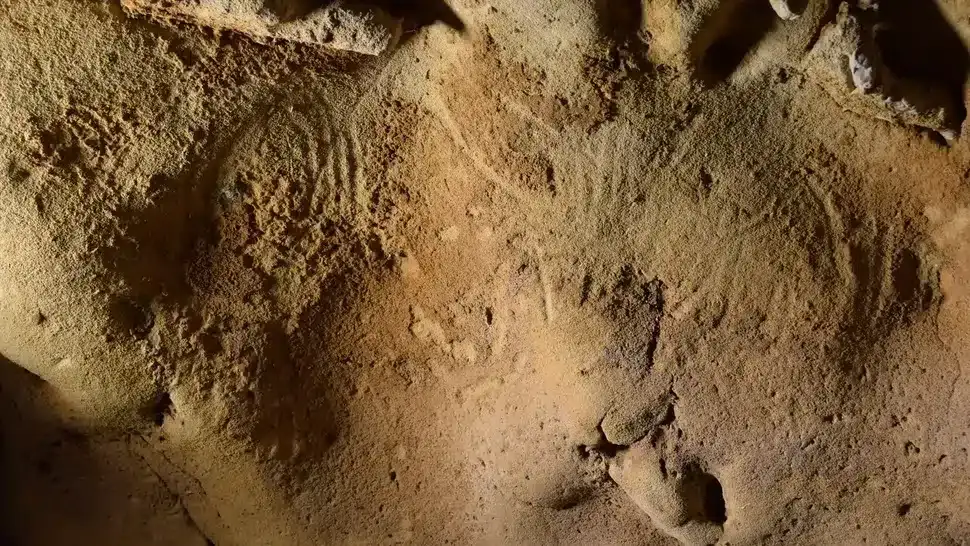
Beginning in 2016, scientists employed 3D scanning technology to document the wall carvings, comparing them to known Paleolithic art. They concluded that the grooves were not newer scratches or animal claw marks, including those of cave bears or metal tools. Instead, the features consisted of intentional lines and dots traced by fingers across the cave’s soft chalk, a local stone known as tuffeau, composed of fine quartz grains and fossilized shell fragments.

Neanderthals Likely Behind the Ancient Art
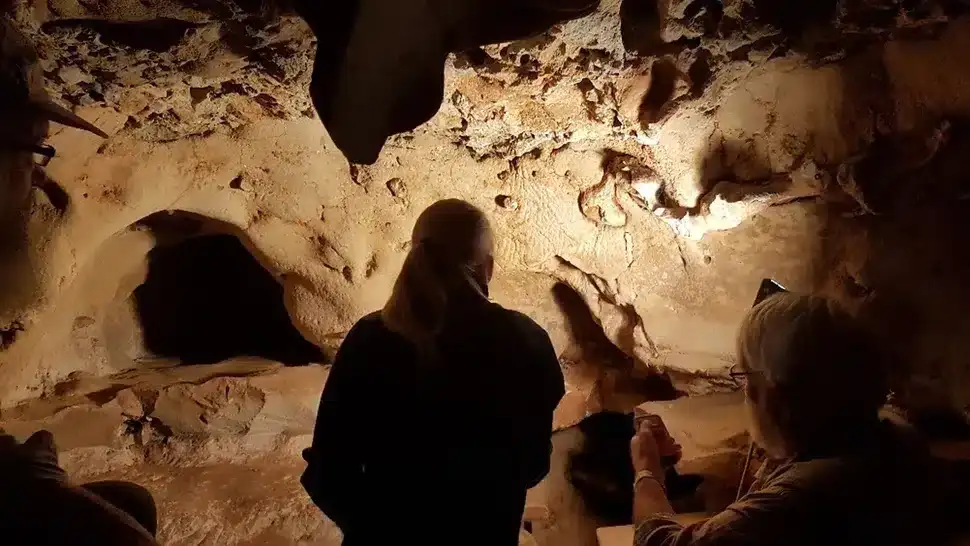
The age of these engravings was approximated using optically stimulated luminescence dating, which measures the last time quartz particles were exposed to sunlight. Testing 50 sediment samples above and around the chamber revealed the cave was sealed between 57,000 and 75,000 years ago. This timeline excludes Homo sapiens, pointing instead to Neanderthals as the probable creators.
Supporting this conclusion, Mousterian toolkits associated exclusively with Neanderthal groups were found inside the cave. Archaeologist Paul Pettitt from Durham University, who was not involved in the study, stated that the combined evidence “provides strong indirect, cumulative evidence that Neanderthals produced the finger markings.”
Although a direct connection between tools and engravings hasn’t been established, the cave’s sealed condition, devoid of later human interference, bolsters the argument. If confirmed, these carvings represent the earliest Neanderthal cave art identified so far.
Insight into Neanderthal Cognition
Previously, the oldest recognized Neanderthal engravings were from Gibraltar’s Gorham’s Cave, dated to roughly 39,000 years ago. Meanwhile, early Homo sapiens were already creating figurative art, including the 45,500-year-old pig painting in Indonesia’s Leang Tedongnge cave and the intricate animal murals in France’s Chauvet Cave. These finds have contributed to perceived cognitive differences between Neanderthals and modern humans.
However, discoveries like those at La Roche-Cotard challenge this divide. Neanderthals may also be responsible for 65,000-year-old pigment-based cave paintings in Spain, where red hand stencils and finger-painted designs appear on rock surfaces. These results suggest symbolic and artistic abilities extended beyond Homo sapiens.
- Categories:
- News









0 comments
Sign in to Comment