
Reaching Cova 338 involves a challenging trek beginning at the Monastery of Núria in the eastern Pyrenees. After a steep 45-minute climb, the path tops out at 2,235 meters, where cold temperatures and strong winds prevail. Despite the harsh conditions, this isolated location attracted prehistoric visitors for more than four millennia. Archaeologists now believe copper was the primary draw.
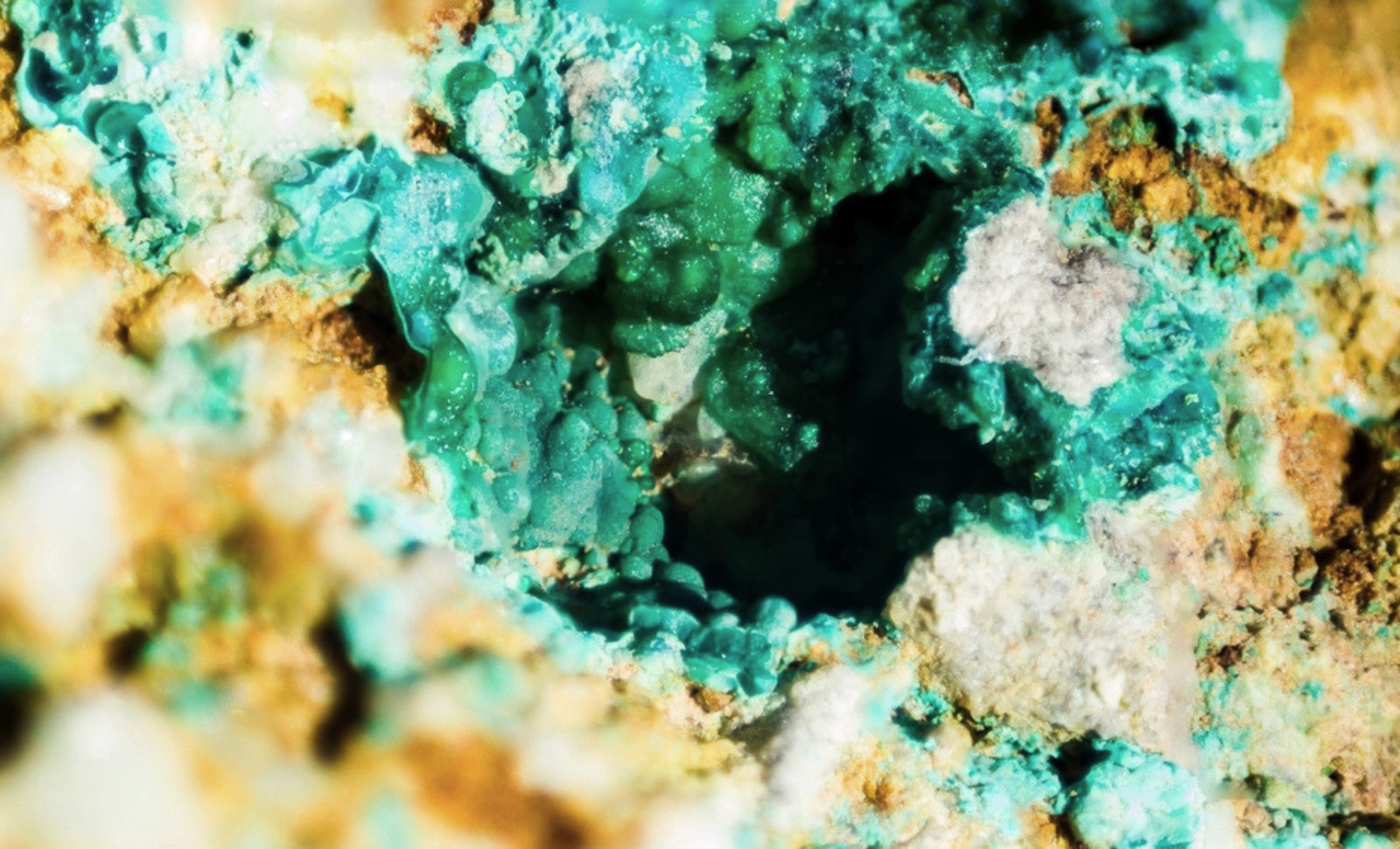
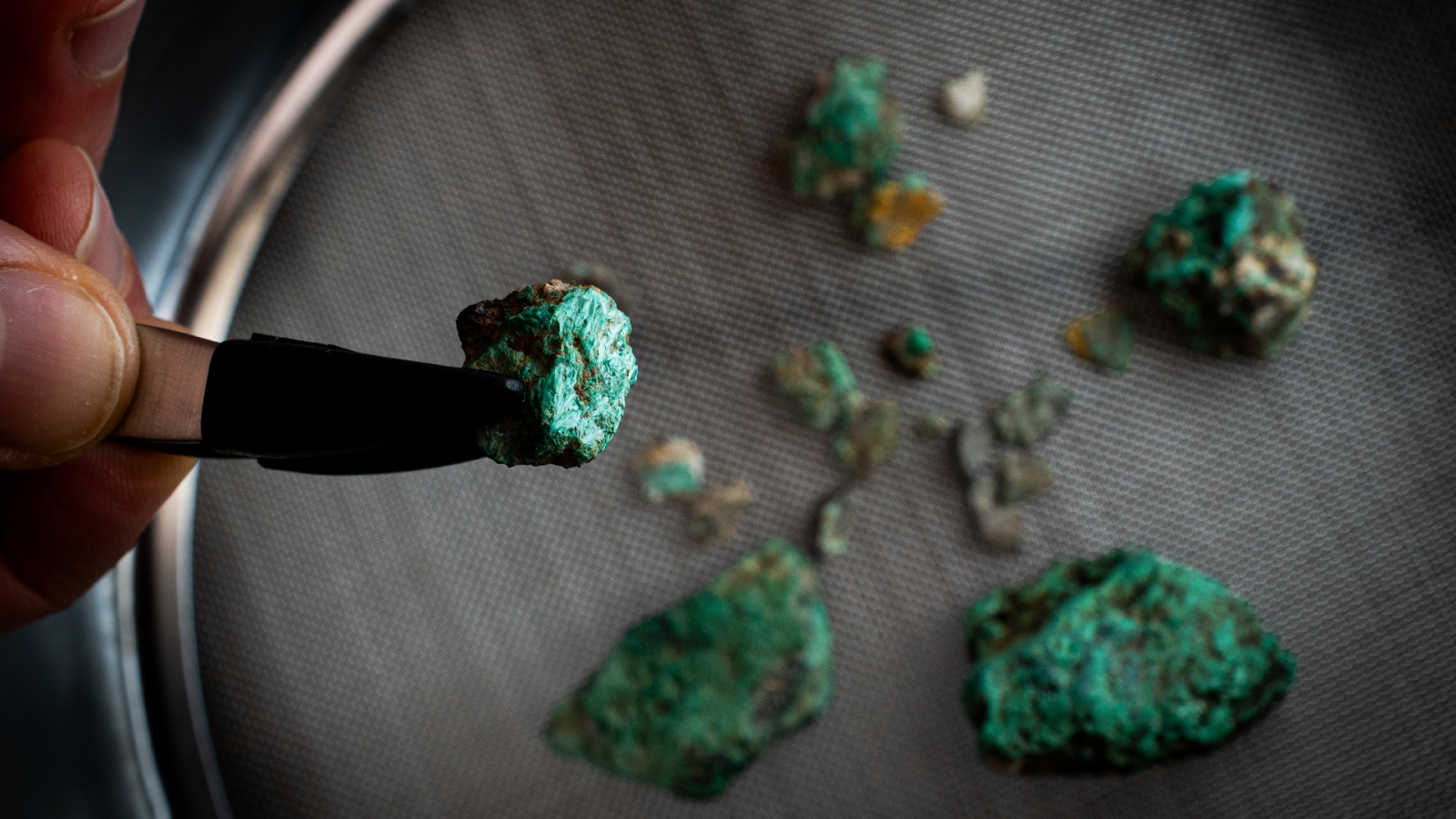
Within the cave, the team discovered over 170 pieces of bright green rock identified as likely malachite, a copper-bearing mineral not native to the area. These findings represent some of the oldest documented traces of copper mineral use in Western Europe, a discovery detailed in a study published by Frontiers in Environmental Archaeology.
“This is the first time significant prehistoric activities involving mineral exploitation have been recorded in the high-altitude Pyrenees,” said Carlos Tornero, a prehistory professor at the Universitat Autònoma de Barcelona and the study’s lead researcher.

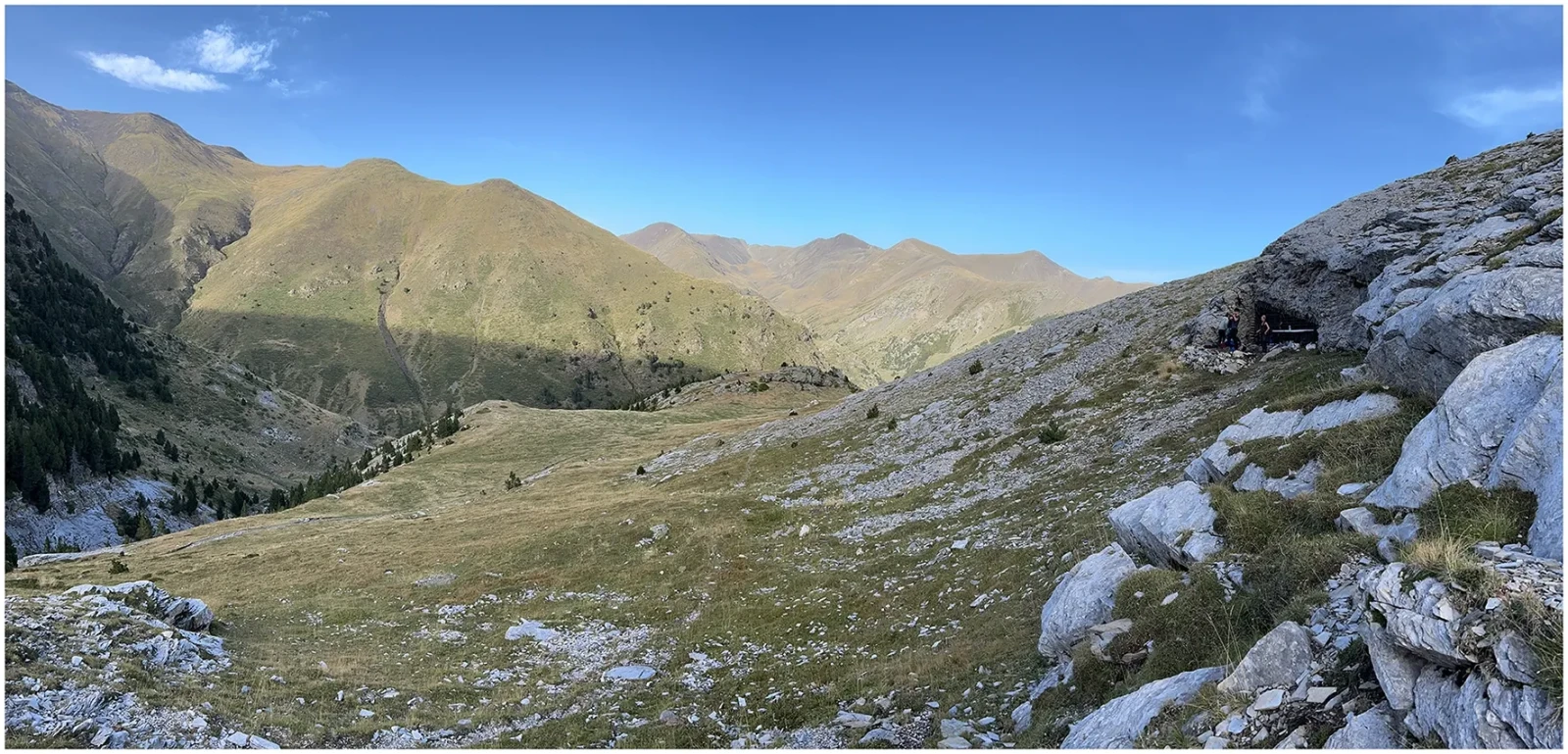
Between 2021 and 2023, an international team led by UAB and the Catalan Institute of Human Palaeoecology and Social Evolution (IPHES-CERCA) excavated the site. Their findings challenge the longstanding assumption that areas above 2,000 meters were only marginally used by prehistoric peoples.
Intentional High-Mountain Occupation Revealed
Cova 338’s archaeological record remains exceptionally well preserved within its roughly 100-square-meter cavity, which contains two small compartments. Excavations focused on a mere six square meters near the entrance, yet even this limited area produced a remarkable array of finds.
The team identified 23 overlapping fire pits, alongside 333 pottery shards and numerous butchered animal bones. The sequence of hearths indicates repeated visits rather than accidental usage; groups arrived, rekindled fires atop cooled ashes, and departed repeatedly from the early 5th millennium BC through to the late 1st millennium BC.
“We don’t know the exact lengths of each stay, but the consistent reuse of the site and dense remains imply short to medium stays occurring repeatedly over extended periods,” Tornero told ZME Science.
Researchers interpret Cova 338 as a seasonal logistical hub, functioning as a mineral processing station integrated into regional mobility patterns. As Live Science covered, knowledge of this mining site was exchanged across generations.
“The mountain was not an obstacle but rather a vital component in the economy and territorial organization of ancient communities,” added Eudald Carbonell, IPHES-CERCA researcher and co-author.
Distinctive Green Mineral and Evidence of Intentional Heating
The most striking discoveries are the malachite fragments. According to the Wisconsin Geological and Natural History Survey, malachite forms in the oxidized zones of copper deposits and has long served as a copper ore. The green stones found at Cova 338 were transported from outside the cave and deliberately heated within it.
Extracting copper from malachite is a two-step process: heating the mineral releases carbon dioxide and converts it to black copper oxide, then exposing the residue to charcoal removes further carbon dioxide, leaving behind copper metal. Many malachite fragments at the site exhibit clear signs of heat exposure, whereas other finds from the same layers do not, excluding accidental burning.
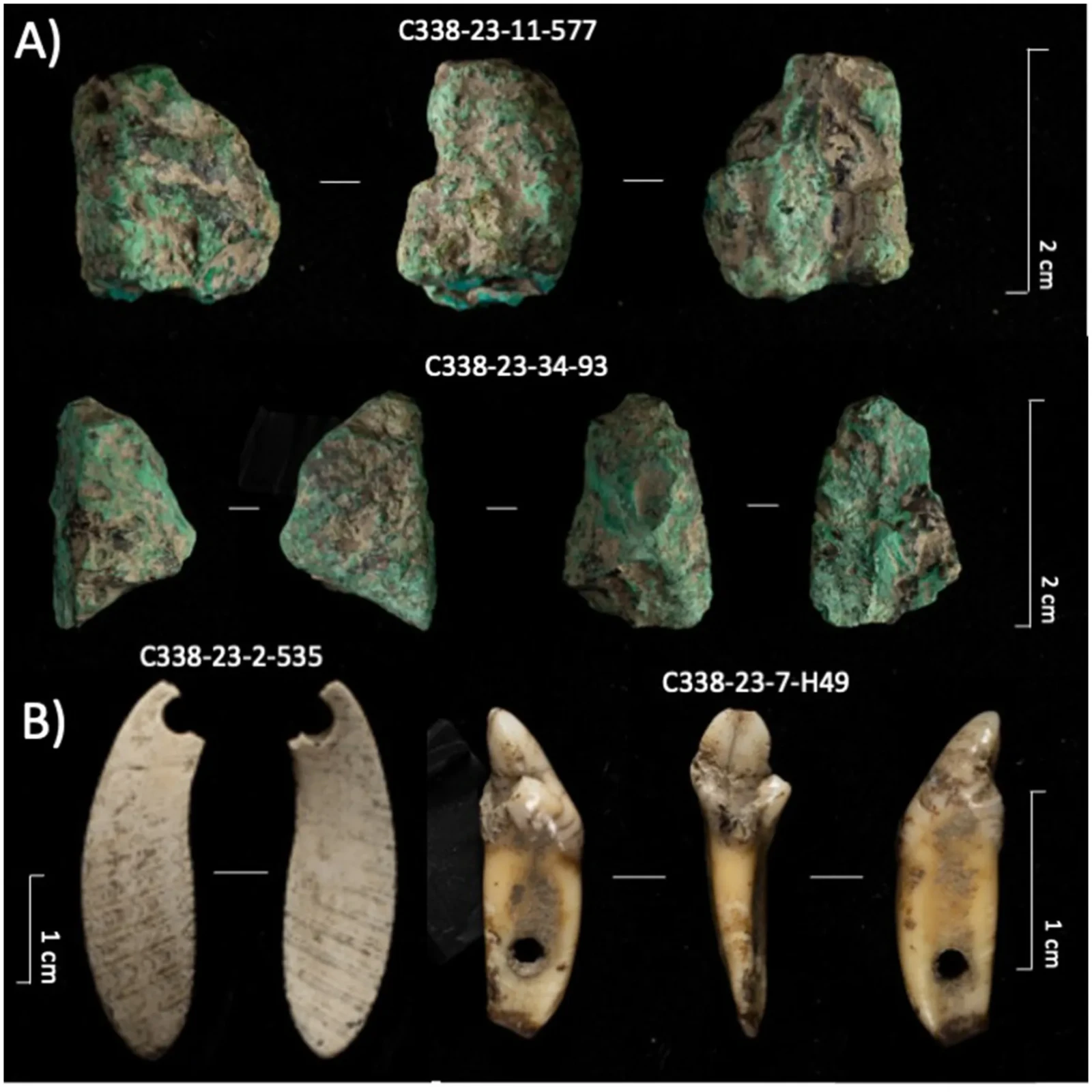
“The thermal alteration seen on many fragments, contrasted with unburnt materials nearby, demonstrates fire’s purposeful use in processing, not accidental charring,” explained Julia Montes-Landa, an archaeologist from the University of Granada and study co-author.
The site’s most intense occupation dated between 3600 and 2400 BC, during the Copper Age, when metalworking skills were emerging across Europe. While the region contains copper-rich geology, the precise source of the malachite used at Cova 338 has yet to be pinpointed.
Personal Items and Lingering Mysteries
Two personal adornments found deepen the narrative: one pendant carved from a marine shell of the Glycymeris genus, known from other Catalan sites, and a rarer pendant fashioned from a bear's tooth, potentially holding symbolic meaning.
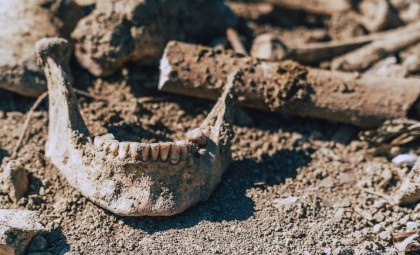
Human remains, including an infant tooth and finger bone, were also discovered. These sparse findings hint that the cave might have played a dual role as both a workshop and burial space.
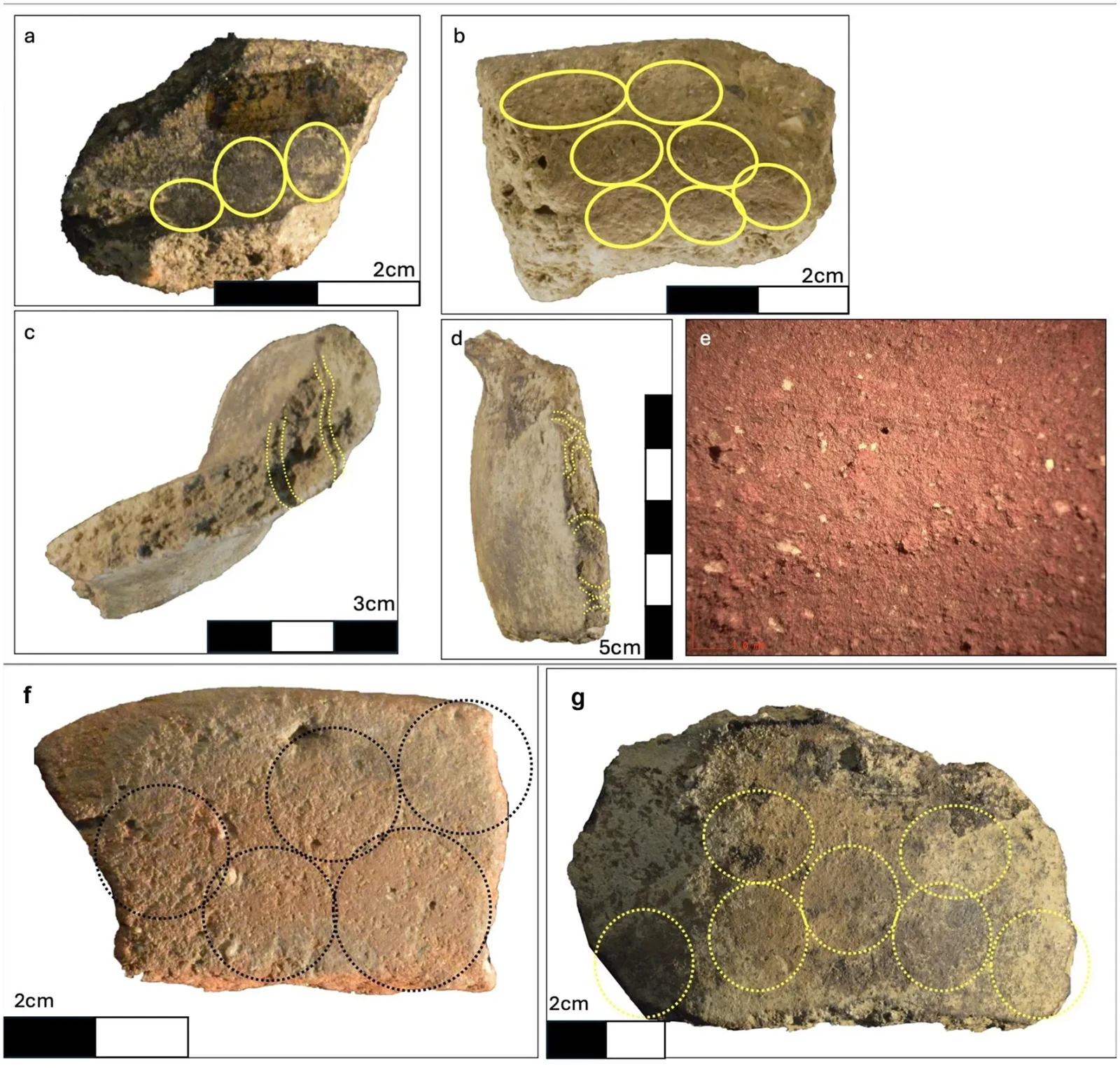
Many questions remain. Animal bones span sheep or goat, pig, canids, hare, and brown bear, but whether these were hunted locally or brought from elsewhere is unclear. Evidence suggests prehistoric visitors consumed food, processed hides, and likely milked livestock at this altitude.
Manual Excavations in an Inaccessible Terrain
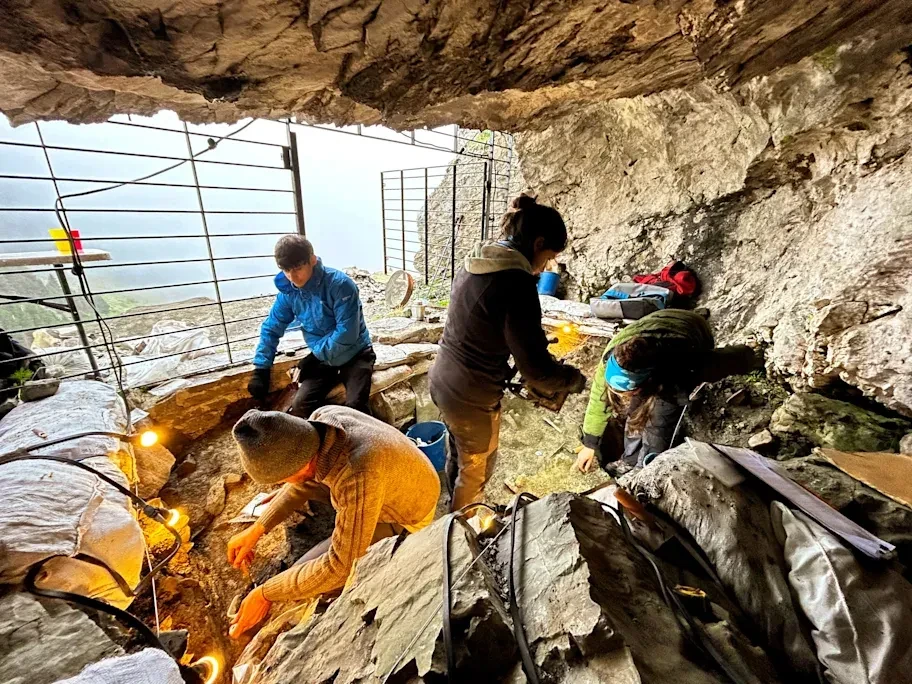
Accessing Cova 338 requires a long hike since motor vehicles are prohibited within the protected Núria Valley near Queralbs. Over three seasons, the excavation team transported all tools, samples, and sediment by foot.
They employed advanced methods like 3D mapping of artifacts, systematic sediment collection, and flotation for recovering minute remains. After excavation, the cave was closed to protect its delicate deposits and to facilitate further research.
Moving forward, the team plans to expand excavations, analyze pollen and plant remains, and identify the exact source of copper minerals. Cova 338 has become a pivotal location for understanding how ancient peoples harnessed mountain resources, with upcoming digs poised to uncover the full story behind this prehistoric mining camp.
- Categories:
- Science


0 comments
Sign in to Comment