
Archaeologists have identified a dense layer of clay and sand underneath ancient ruins in Iraq, believed to be evidence of a colossal flood. This finding raises intriguing questions about the possibility of human societies existing before the earliest documented urban settlements.
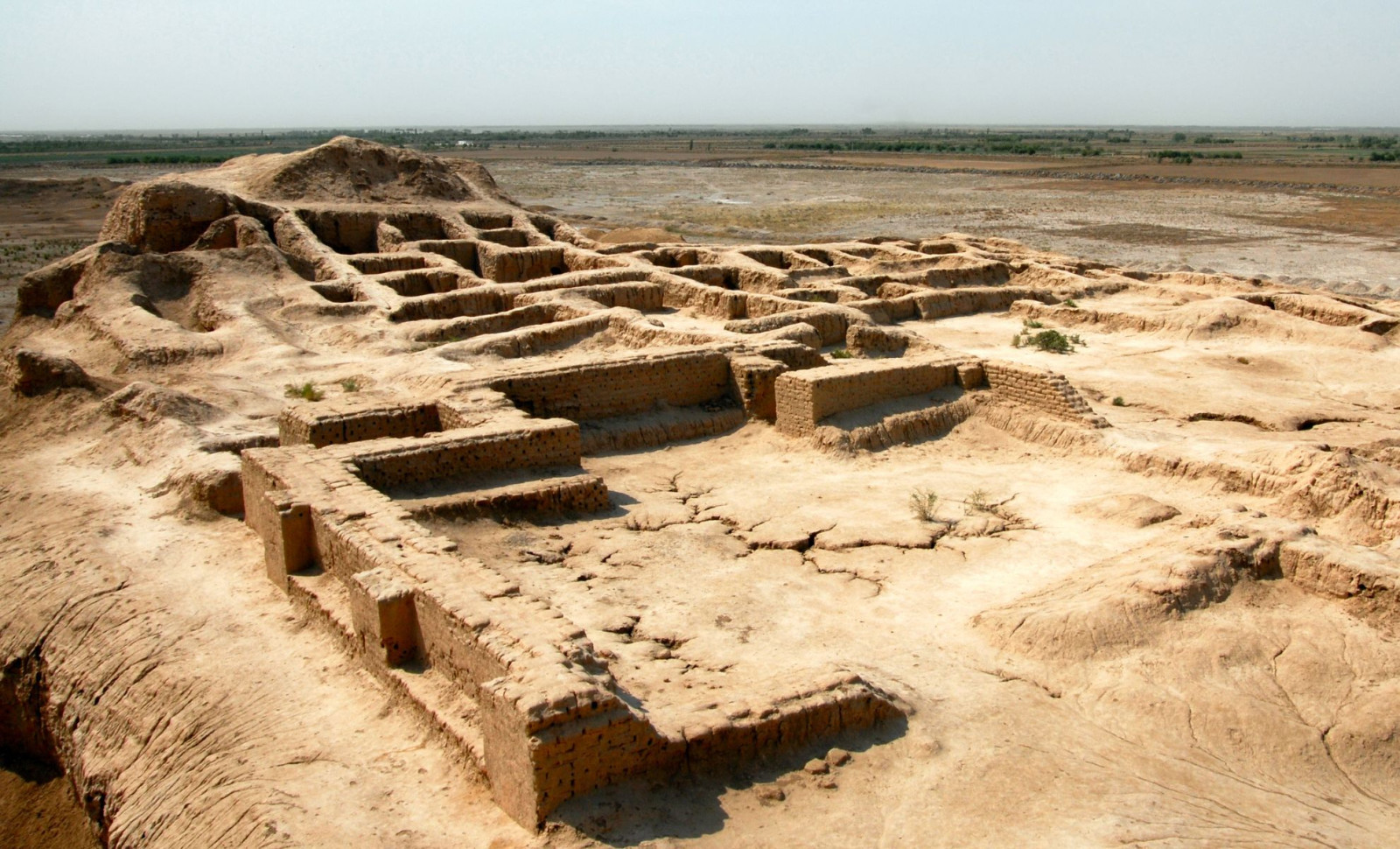
The site, known as Tell Fara in southern Iraq, revealed an unusual sediment deposit beneath artifacts linked to the Sumerian culture. Since the Sumerians are credited with creating some of the first known cities around 5,000 years ago, anything found beneath their ruins is particularly noteworthy.
Clues to an Earlier Human Occupation
A recent story in the Daily Mail revealed that the sediment layer at Tell Fara consists of compacted clay and sand typical of flood deposits, formed when waters inundate land areas and then subside. While this could be dismissed as a routine geological feature, its location beneath established Sumerian layers sparked significant interest.

As highlighted by Indy100, the sediment indicates a massive flood occurred well before the Sumerian arrival. Therefore, any traces of early human activity are likely concealed beneath these flood deposits.
Flood Layers Across Historic Civilizations
The flood sediment below Tell Fara is not an isolated phenomenon. Scientists have found similar deposits in major ancient regions such as Mesopotamia, the Indus Valley, and Egypt.
According to reports, these flood patterns have led some experts to speculate that ancient large-scale flooding might have impacted various early civilizations simultaneously. This concept, while longstanding, connects geological data with ancient myths describing catastrophic floods.
However, discovering flood sediments does not necessarily imply a singular devastating event worldwide. Comparable deposits can arise independently from localized river flooding at distinct time periods.
Artifacts Hidden Beneath the Flood Sediment
Excavations below the flood layer at Tell Fara revealed a fascinating collection of relics such as proto-cuneiform tablets, unique Fara II pottery, and colorful polychrome ceramics. These findings point to a sophisticated artistic and cultural development previously unknown.
Erich Schmidt, leading the dig for the Penn Museum, noted a stark cultural divide between artifacts found above and beneath the flood deposit. He termed this shift an “absolute culture break,” hinting that the flood marked a sudden end to an earlier cultural period.
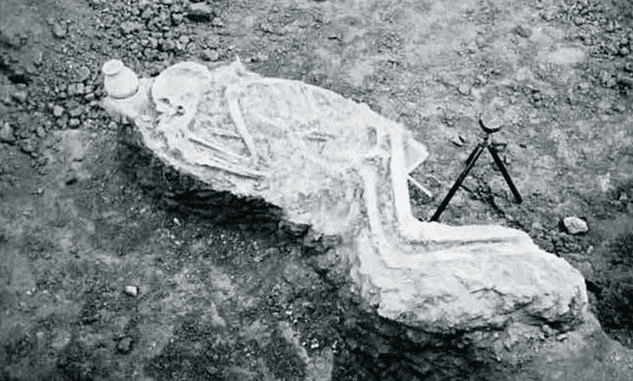
Only a handful of human remains were excavated from the older strata, leading Schmidt to propose that the inhabitants might have evacuated before the flood event.
Debates Over the Ancient Flood Hypothesis
Researcher Matt LaCroix has put forward a broader interpretation, suggesting that various geological indicators—including ice cores, tree ring anomalies, volcanic ash layers, and geomagnetic shifts—signal a major environmental upheaval around 20,000 years ago. He told the Daily Mail, “Nothing in the last 11,000 years comes close to this event.”
LaCroix draws parallels between these natural signs and flood legends found in many ancient cultures, proposing that both scientific evidence and oral traditions may describe the same significant disaster.
Nonetheless, many archaeologists remain cautious. The evidence from that period generally suggests humans lived mainly as small hunter-gatherer groups, rather than large, organized communities. This discrepancy fuels ongoing debate about the existence of a lost civilization predating well-known ancient societies.
- Categories:
- News







0 comments
Sign in to Comment