
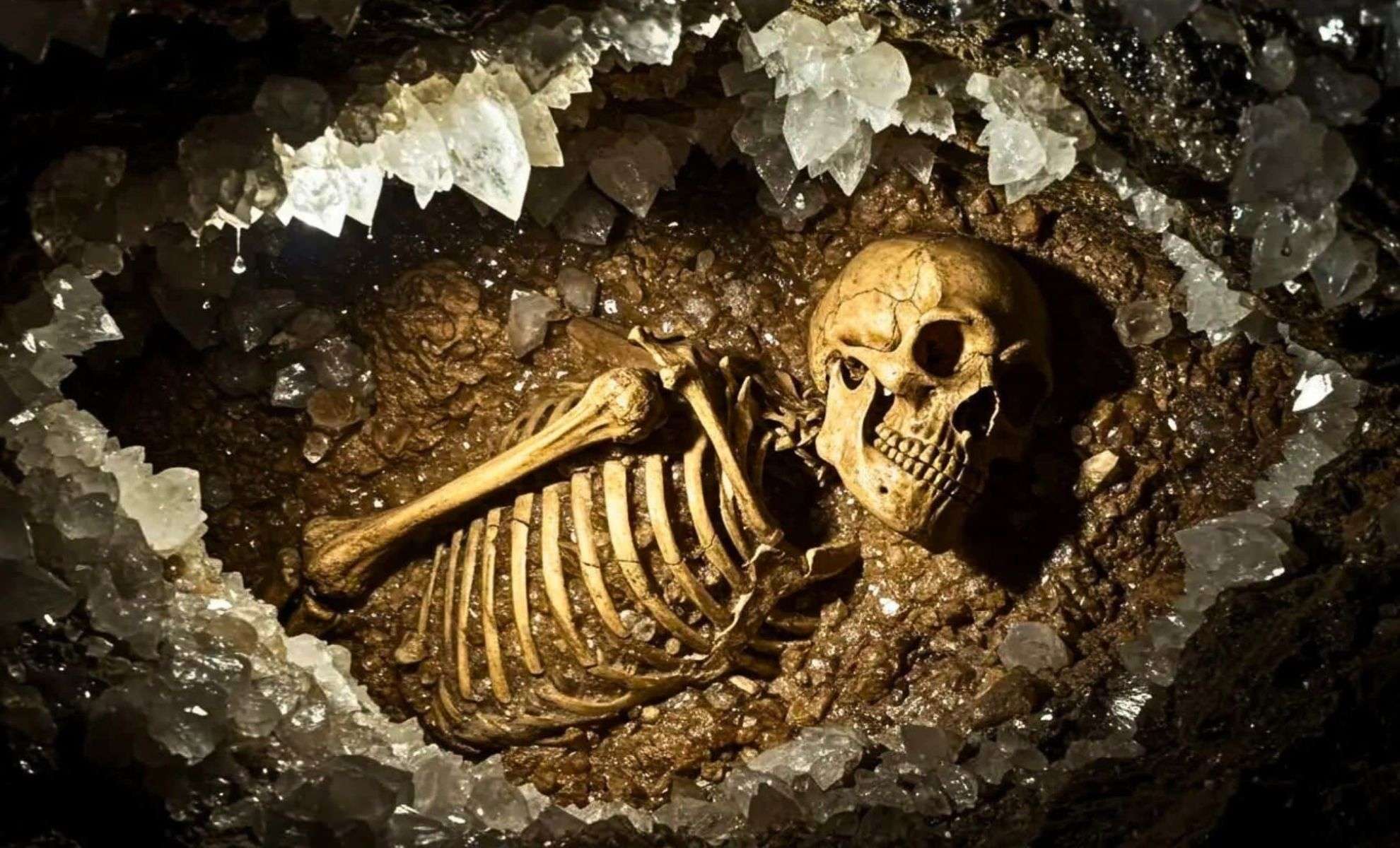
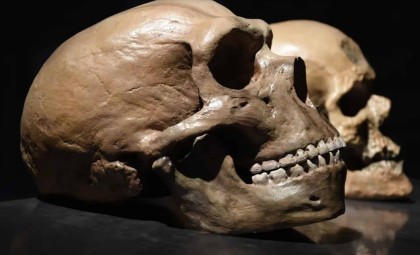
Throughout much of the last century, Neanderthals were often portrayed as rugged, spear-armed hunters whose existence depended almost entirely on stalking large Ice Age mammals like mammoths and woolly rhinoceroses. Their food sources were believed to be predominantly meat-centered, shaped by the harsh climates of prehistoric Europe. However, a series of recent archaeological and genetic findings challenges this narrow perspective.
Emerging data from dental plaque, sediment layers, and coastal archaeological excavations now indicate that Homo neanderthalensis maintained a significantly more diverse and regionally tailored diet than once assumed. These ancient hominins not only hunted large animals but also gathered mushrooms, cracked open crustaceans, and possibly utilized medicinal plants for pain management. These discoveries reveal not just dietary habits but also suggest advanced ecological understanding and behavioral complexity.
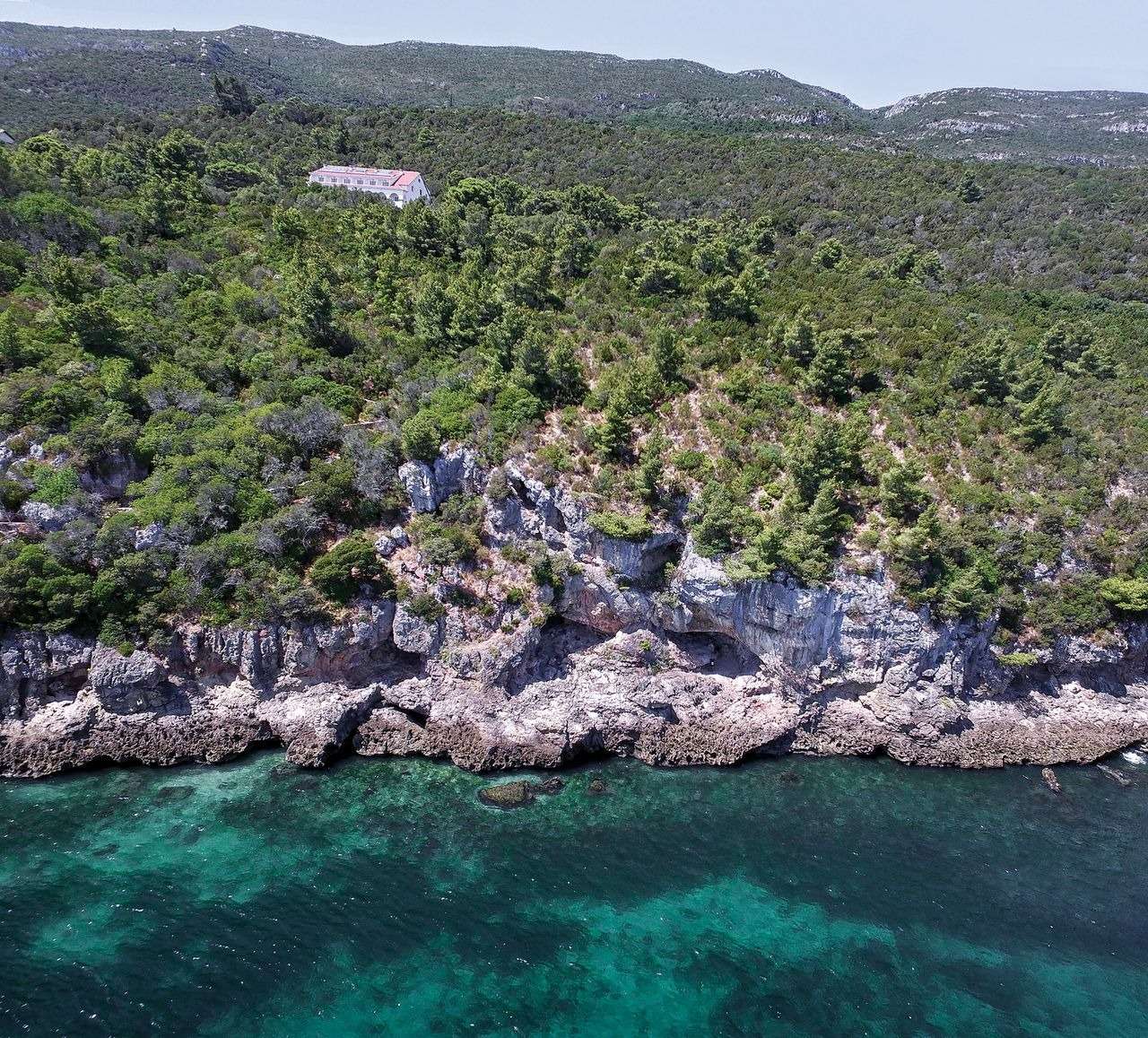
Notably, excavations at the seaside cave Gruta da Figueira Brava in Portugal’s Iberian Peninsula revealed evidence of cooked shellfish, burned seal bones, and pine nuts, dating back roughly 86,000 to 106,000 years. This site illustrates Neanderthals deliberately harvesting marine resources with skill and planning. According to the project’s lead archaeologist, Professor João Zilhão, as noted in a 2020 Science publication, such coastal exploitation was previously attributed exclusively to early modern humans.

Corroborating these findings, fossilized dental plaque from the El Sidrón cave in northern Spain contained traces of poplar bark—rich in salicylic acid, a natural pain reliever—and Penicillium mold, the source of penicillin. The individual associated with this plaque likely endured a severe dental abscess and intestinal parasites, indicating possible self-medication. Whether this knowledge was culturally inherited or the result of trial and error remains unknown, but it clearly highlights an intricate interaction with their environment.
Neanderthals: Experts in Adapting to Their Surroundings
The dietary patterns of Neanderthals varied considerably by region. Bone isotope analysis from Spy Cave in Belgium demonstrates a diet rich in animal protein, with evidence pointing to a reliance on hunting large herbivores such as wild sheep and woolly rhinoceroses. In contrast, Neanderthals inhabiting the temperate forests of Spain incorporated substantial plant foods like nuts, fungi, and other edible vegetation.
This dietary diversity emphasizes an adaptive nature rather than a fixed lifestyle. As their habitats shifted across coastal, mountainous, or forested environments, so too did their subsistence strategies. Paleolithic archaeologist Dr. Karen Hardy, co-author of a landmark 2017 Nature study of dental calculus DNA, explains, “These hominins harnessed the full range of available resources and exhibited remarkable ingenuity. They interacted with their ecosystems far beyond mere survival.”
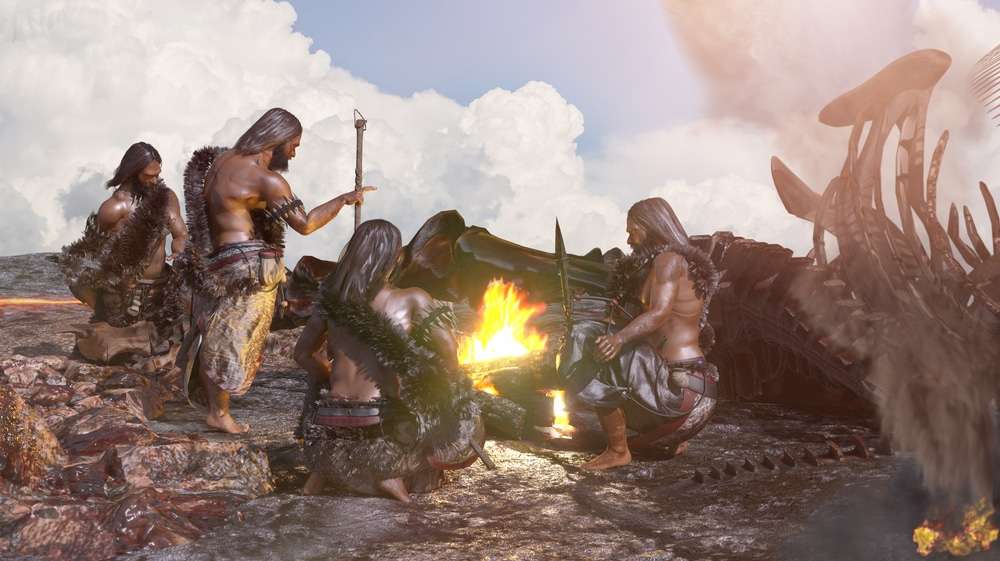
Practices such as cannibalism, documented at sites like Moula-Guercy in France and Krapina in Croatia, have also been reconsidered. Instead of merely interpreting these acts as survival-driven desperation, some researchers propose these may reflect ceremonial or funerary behaviors. Though evidence remains inconclusive, repeated observations of bone cut marks and burning suggest these occurrences were more systematic. As recently highlighted by IFLScience, these patterns imply complex cultural dimensions.
Exploring Cognitive Boundaries
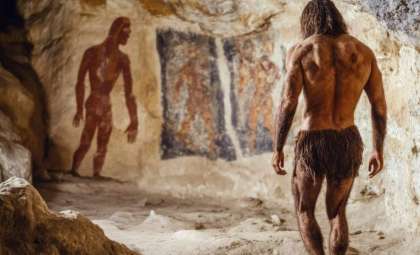
The significance of these discoveries extends far beyond nutritional habits. Anthropologists long drew clear cognitive divisions between Neanderthals and modern humans, attributing traits like symbolic art, future planning, and medicinal use solely to Homo sapiens. However, ongoing research into Neanderthal sites challenges these assumptions.
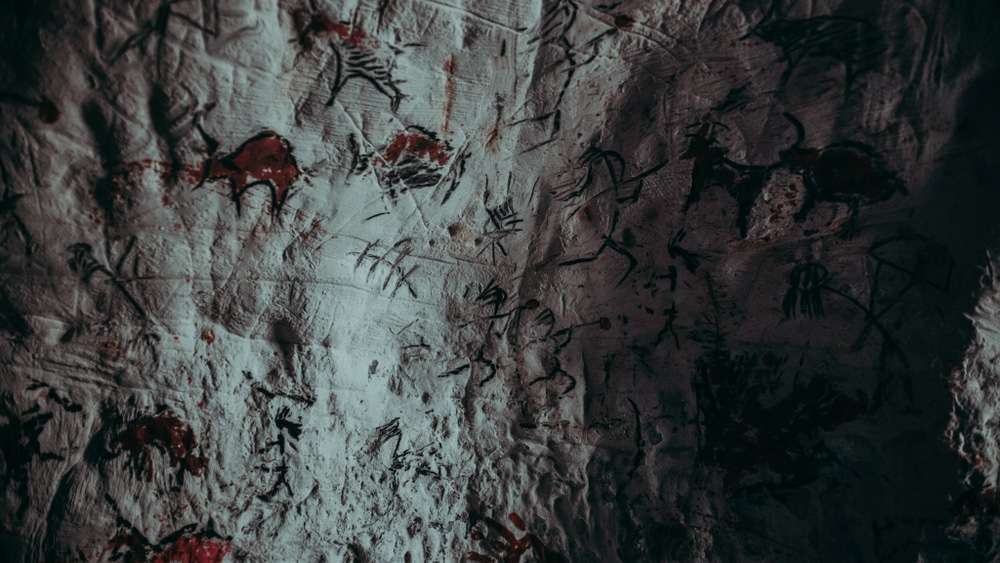
Seasonal foraging at Figueira Brava shows Neanderthals stored unopened pine cones for later roasting, a behavior indicating sophisticated delayed-return strategies. Additionally, burgeoning evidence of symbolic activities—such as ochre and marine shell use at La Pasiega and Ardales caves—is gaining scientific acceptance.
Microbiological studies reveal that Neanderthals harbored oral bacteria closely akin to those of modern humans, suggesting shared evolutionary challenges and lifestyle components. A 2021 Nature Ecology & Evolution report demonstrated remarkable stability of gut microbiomes over tens of thousands of years, bridging prehistoric and contemporary populations.
Reevaluating Our Paleolithic Ancestors
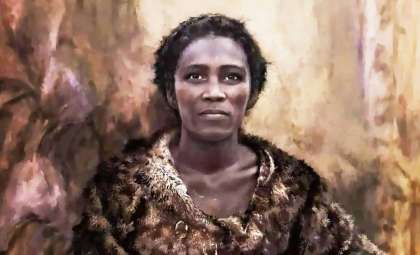
These insights compel a broader reassessment of Neanderthals and the human story. The popular image of a uniform "Paleolithic diet" is increasingly debunked. As Dr. Hardy and her team emphasize, dietary patterns were highly localized and contingent on environmental factors like geography, climate, and season.
Crucially, accumulating evidence from coastal Portugal to Spanish woodlands affirms that Neanderthals were a distinct branch of the hominin lineage. They cultivated complex, context-driven lifeways that now seem much closer to our own experience than once believed.
- Categories:
- Science




0 comments
Sign in to Comment