
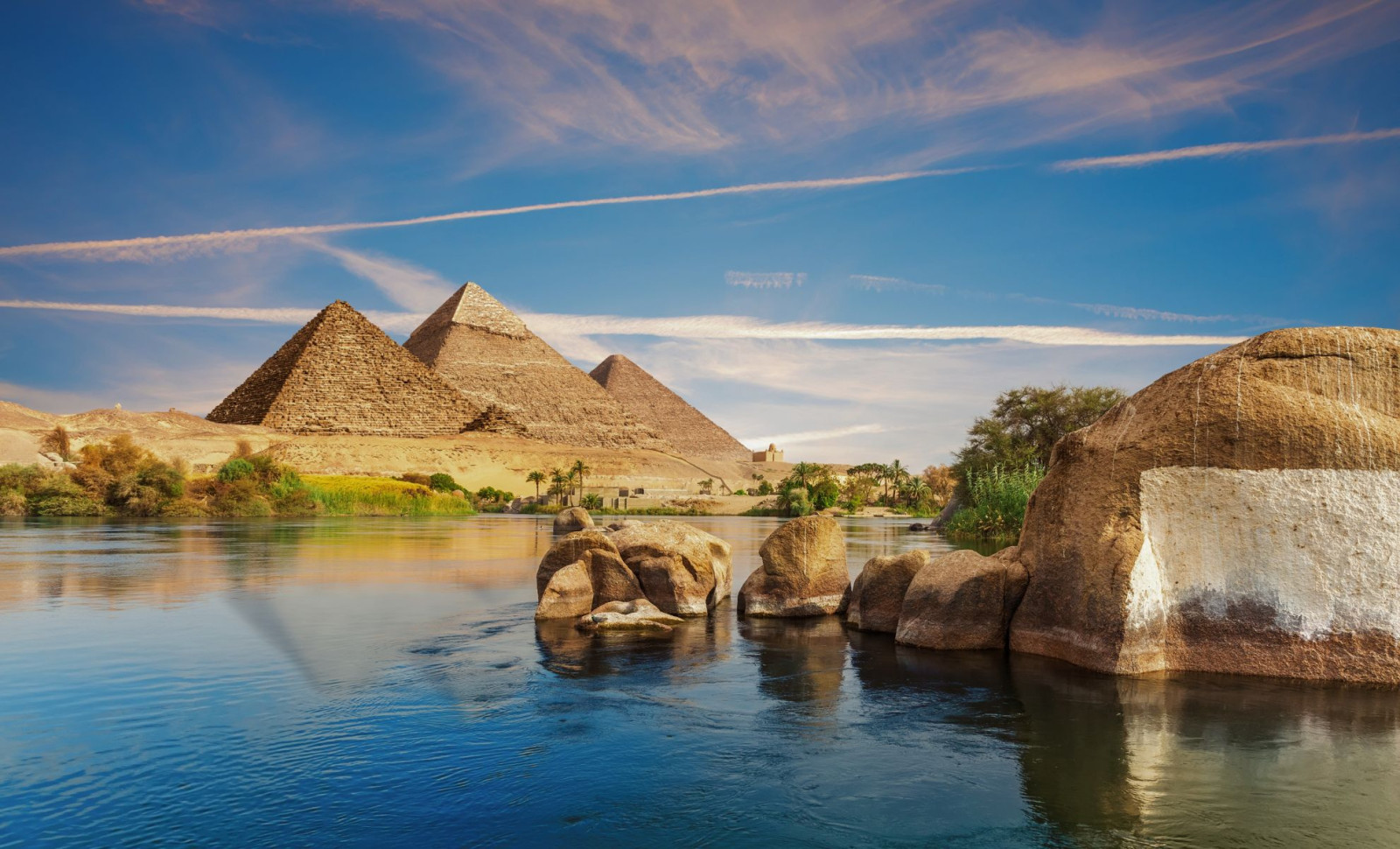
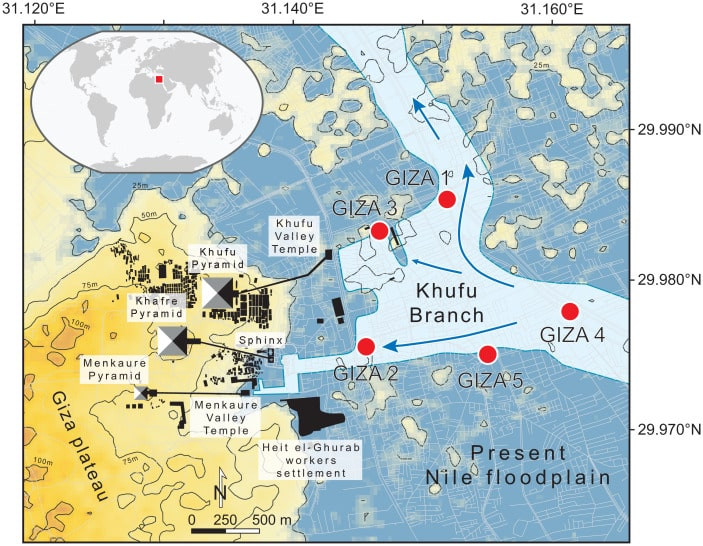
A vanished tributary of the Nile River might have significantly eased the building process of the Great Pyramid of Giza, according to new findings. Scientists analyzing ancient pollen and sediments near Giza uncovered proof of a now-lost watercourse called the Khufu branch that once ran near the pyramid complex.
Published in the journal Proceedings of the National Academy of Sciences, the international research team from France, China, and Egypt sought to reconstruct the prehistoric landscape surrounding Giza from millennia ago, revealing an environment starkly different from the arid terrain we see today.
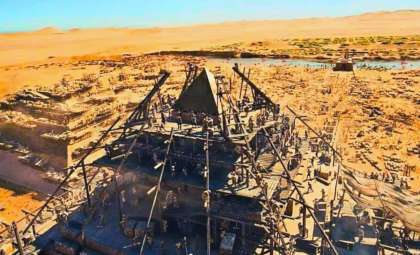
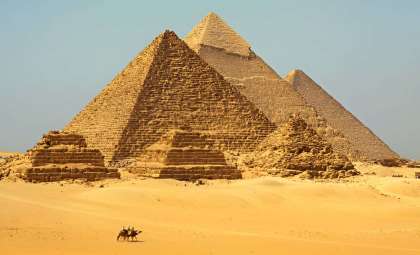
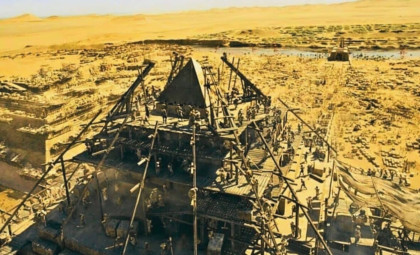
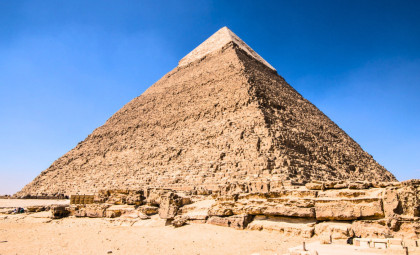
The mystery of how massive limestone and granite blocks were transported during pyramid construction has intrigued scientists for years. Currently, the Nile lies over four miles away from the pyramids, posing logistical challenges. This study indicates that during the rule of Khufu, Khafre, and Menkaure, the river once flowed much closer to the building site.

Fossil Pollen Offers Insight into Ancient Landscape
To reconstruct the area’s ancient features, researchers examined fossilized pollen grains preserved in sediments around Giza. These tiny botanical remnants revealed the types of vegetation present and provided clues pointing to the proximity of water bodies.
The published study found pollen grains from flowering grasses resembling those native to the Nile valley today, alongside marsh plants typically found near longstanding water bodies.
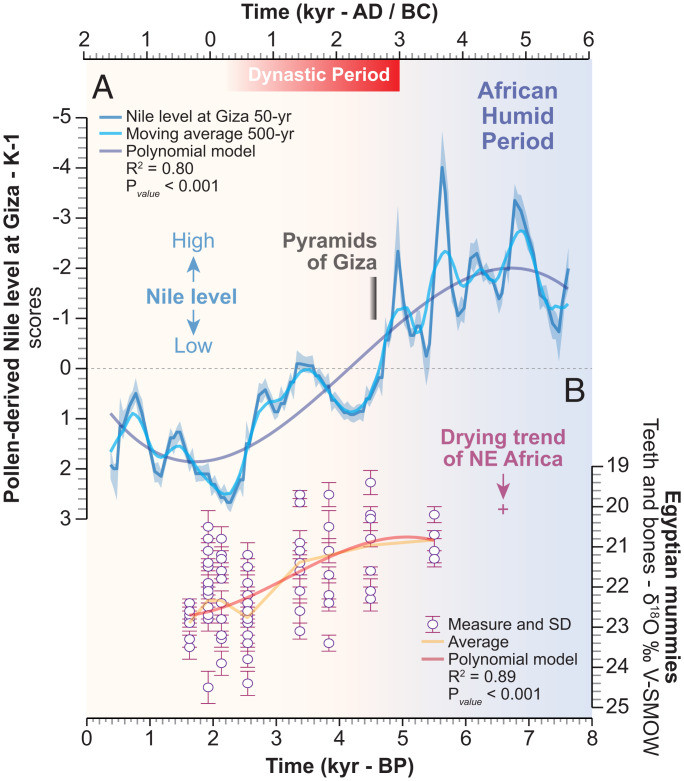
“Palaeoecological analyses have helped to reconstruct an 8,000-year fluvial history of the Nile in this area, showing that the former waterscapes and higher river levels around 4,500 years ago facilitated the construction of the Giza Pyramid Complex,” the researchers wrote.
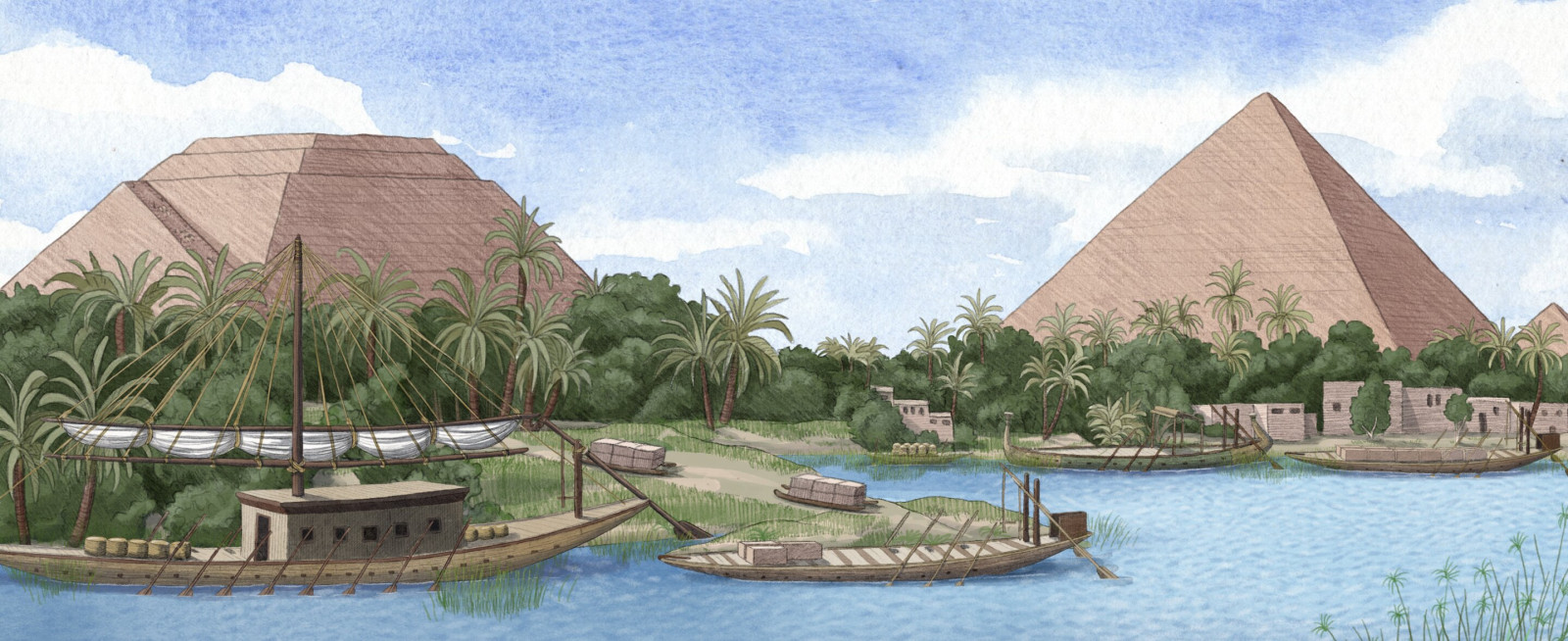
The results suggest the pyramids originally overlooked an active Nile branch, rather than a barren desert, dramatically changing our perception of the Old Kingdom landscape.
Implications of the Khufu Branch for Pyramid Logistics
The study concentrated on the Khufu branch, which appears to have linked with the Pyramid Harbor complex near Giza. This watercourse might have functioned as a key transport route for moving heavy stones and construction supplies.
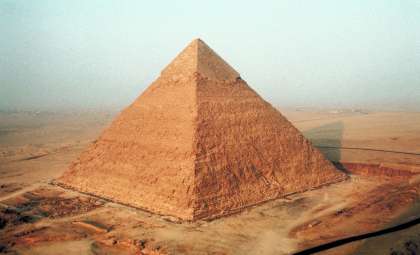
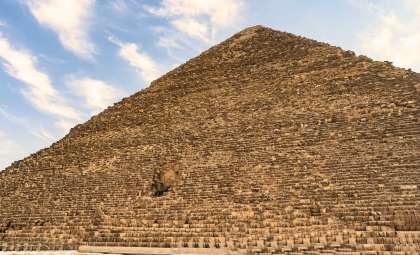
The evidence indicates the branch was navigable throughout the pyramid-building era. The Great Pyramid, originally standing about 455 feet tall, employed limestone, granite, and mortar in its construction.
Previously, the existence and function of this watercourse were uncertain. By analyzing plant pollen indicative of water presence and landscape changes, researchers charted water level fluctuations spanning thousands of years. While river transport theories are not novel, this research adds environmental proof to the narrative.
Gradual Disappearance of the Nile Branch
The team also explored how the local climate shifted, leading to the region’s growing dryness. Their findings link this transformation to the end of the African Humid Period, marked by wetter conditions that once contributed to elevated Nile water levels throughout East Africa.
“After a high-stand level concomitant with the African Humid Period, our results show that Giza’s waterscapes responded to a gradual insolation-driven aridification of East Africa, with the lowest Nile levels recorded at the end of the Dynastic Period,” explained the authors.
This extensive climate transition, driven by shifts in solar radiation, led to a gradual decline in Nile levels over centuries. Other archaeological evidence—from animal remains to dental samples—confirms similar environmental changes. Ultimately, the Khufu branch vanished entirely, leaving behind only subtle remnants of the waterway that once may have facilitated pyramid construction.
- Categories:
- Science



0 comments
Sign in to Comment