
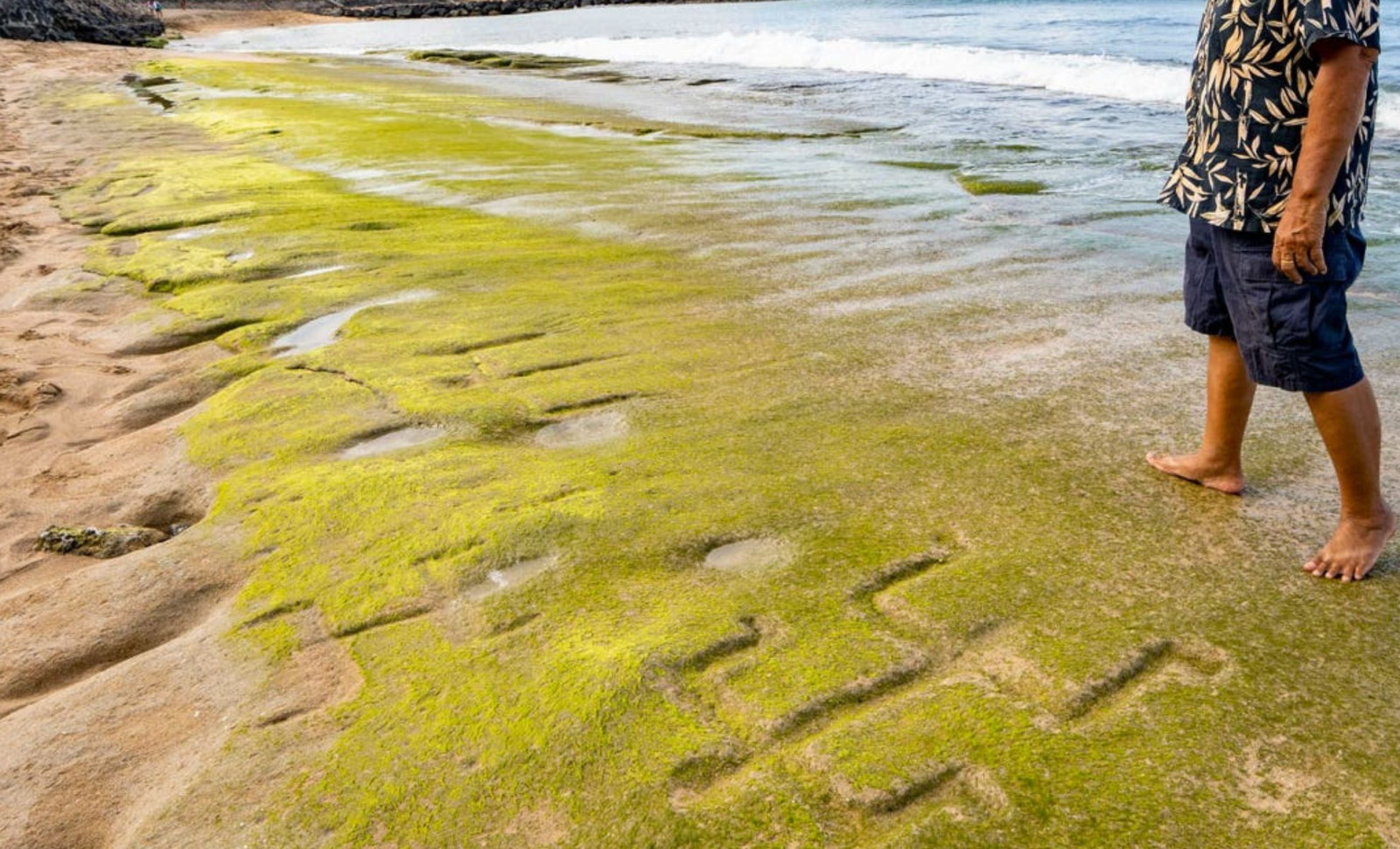
Enormous petroglyphs, hidden beneath the sands of Pōkaʻī Bay for several years, have recently emerged once more. These rock carvings are estimated to be more than a millennium old. The reappearance of these ancient images along Hawaii’s Waianae Coast has captivated local communities and cultural historians alike, encouraging reflection on their profound meaning.
Located at Pōkaʻī Bay, a site rich in history on the Waianae shoreline, these kiʻi pōhaku petroglyphs were first uncovered in 2016 but had remained mostly buried until natural coastal changes uncovered them again. According to local resident Nani Peterson, these carvings serve as vital connections to the kupuna, the island’s revered ancestors.
Rediscovering the Time-Honored Art of Petroglyphs
Petroglyphs are engravings or carvings etched into stone and provide valuable insight into the cultures that crafted them. The kiʻi pōhaku found at Pōkaʻī Bay are attributed to early Hawaiian settlers, with origins dating back more than 1,000 years.

“Although the true meanings of the petroglyphs are unknown, it is generally thought these carvings are records of births and other significant events in the lives of the people who lived here long ago,” explained the official tourism website for the Hawaiian Islands.
Reports from media such as Fox10tv suggest that these carvings likely illustrate agricultural scenes, an essential component of Hawaiian life. Among the most striking figures is an image that appears to illustrate a parent with a child, emphasizing family bonds.
Though largely concealed for years beneath sand, shifting tides and wave action recently exposed this remarkable collection. Nathan Wilkes, representing the U.S. Army Garrison Hawaii, noted that ocean currents steadily cleared sand and sediment from the rock faces, revealing these intricate petroglyphs. While the exact count remains uncertain, experts believe additional carvings might still be hidden beneath layers of sand and marine algae.
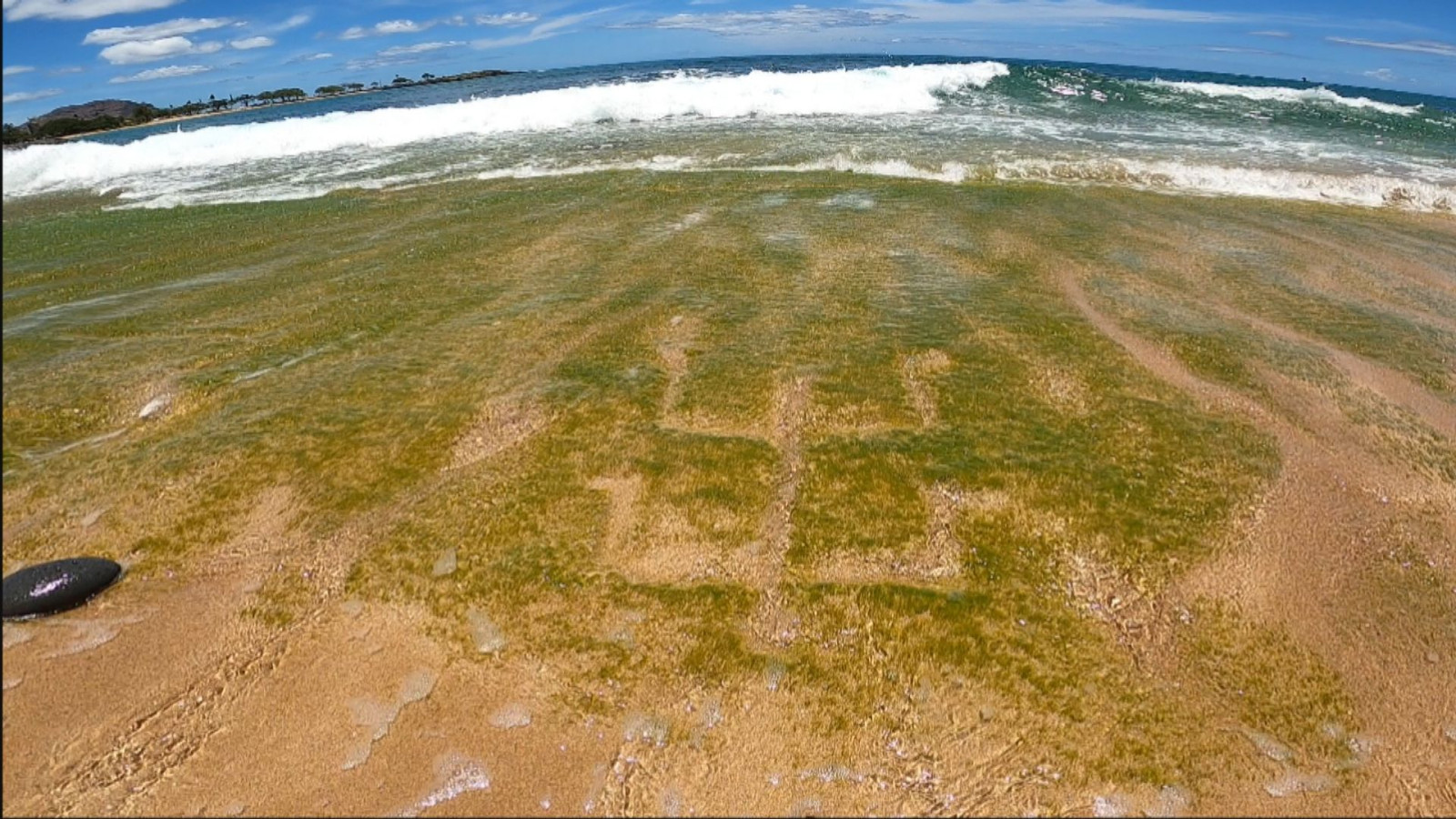
Safeguarding Hawaii’s Ancient Engravings
The Pililaʻau Army Recreation Center on the Waianae Coast, managed by the U.S. Army, is supported by a cultural resources team dedicated to protecting these invaluable petroglyphs. This specialized group conducts detailed documentation and ongoing monitoring to prevent environmental damage and unauthorized contact.
An Army report has identified 26 petroglyphs spanning around 131 feet along the beach, but the full extent of the artwork could still be undiscovered.
Local community members emphasize the carvings’ importance, viewing them as more than mere relics but as living cultural legacies that tell the moʻolelo, or story, of their homeland. Waianae resident Nohea Stevens remarked on the unexpected nature of the findings:
“You just never expect anything like that to be discovered, especially in our shoreline. I didn’t even know that was possible.”
For many, these symbols represent an enduring connection to their ancestors. Visitors are welcome to view the petroglyphs, but parking access at the recreation center requires a military ID due to its location on restricted land.
- Categories:
- News



0 comments
Sign in to Comment