
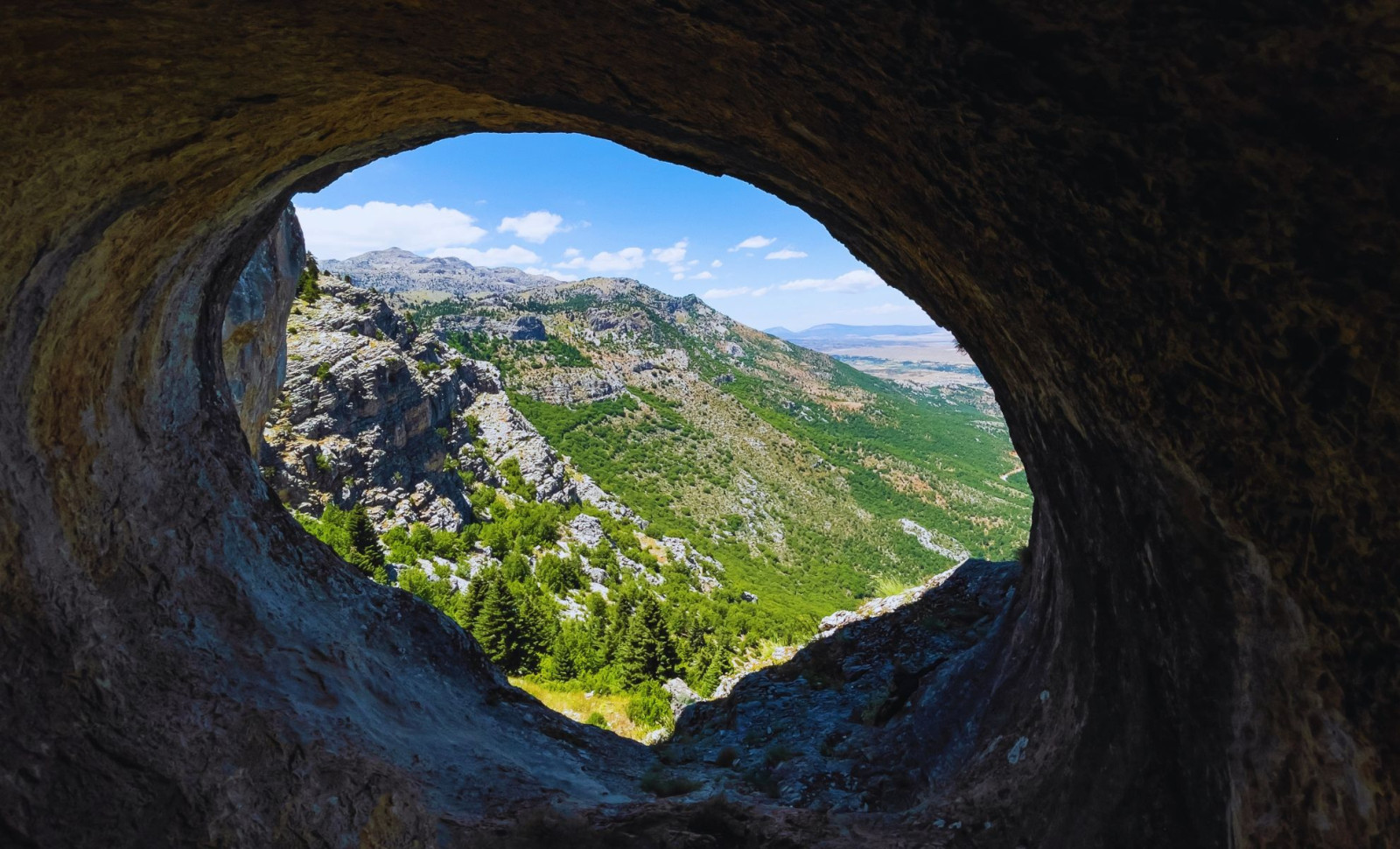
Recent findings reveal that early humans not only endured the Ice Age by settling along milder coastal regions but also survived in rugged mountain caves in Serbia, offering a new perspective on human adaptation during one of the coldest eras in history.
Featured in the journal Quaternary, the investigation focuses on the period between 25,000 and 19,000 years ago, during the height of the Last Glacial Maximum. Europe was largely encased in ice sheets, and surviving in this frigid, dry environment posed significant challenges.
While it was long assumed that human populations mainly thrived in Mediterranean zones, this study points to alternative survival strategies in harsher inland regions.

Nomadic Groups Moving Through Protected Caves
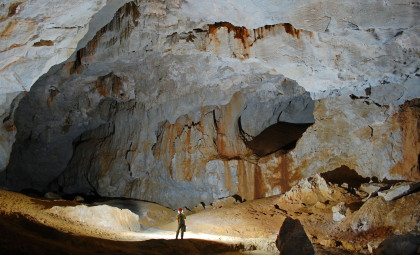
Scientists examined three caves located in the Morava River basin, nestled in narrow gorges and sheltered valleys. According to the recent publication, these caves were naturally insulated from strong winds and severe weather, making them suitable for temporary habitation.
The sparsity of artifacts found at these sites indicates that people did not reside there permanently but likely used them as transient refuges. The authors describe these groups as “thinly spread,” consistent with a mobile existence.
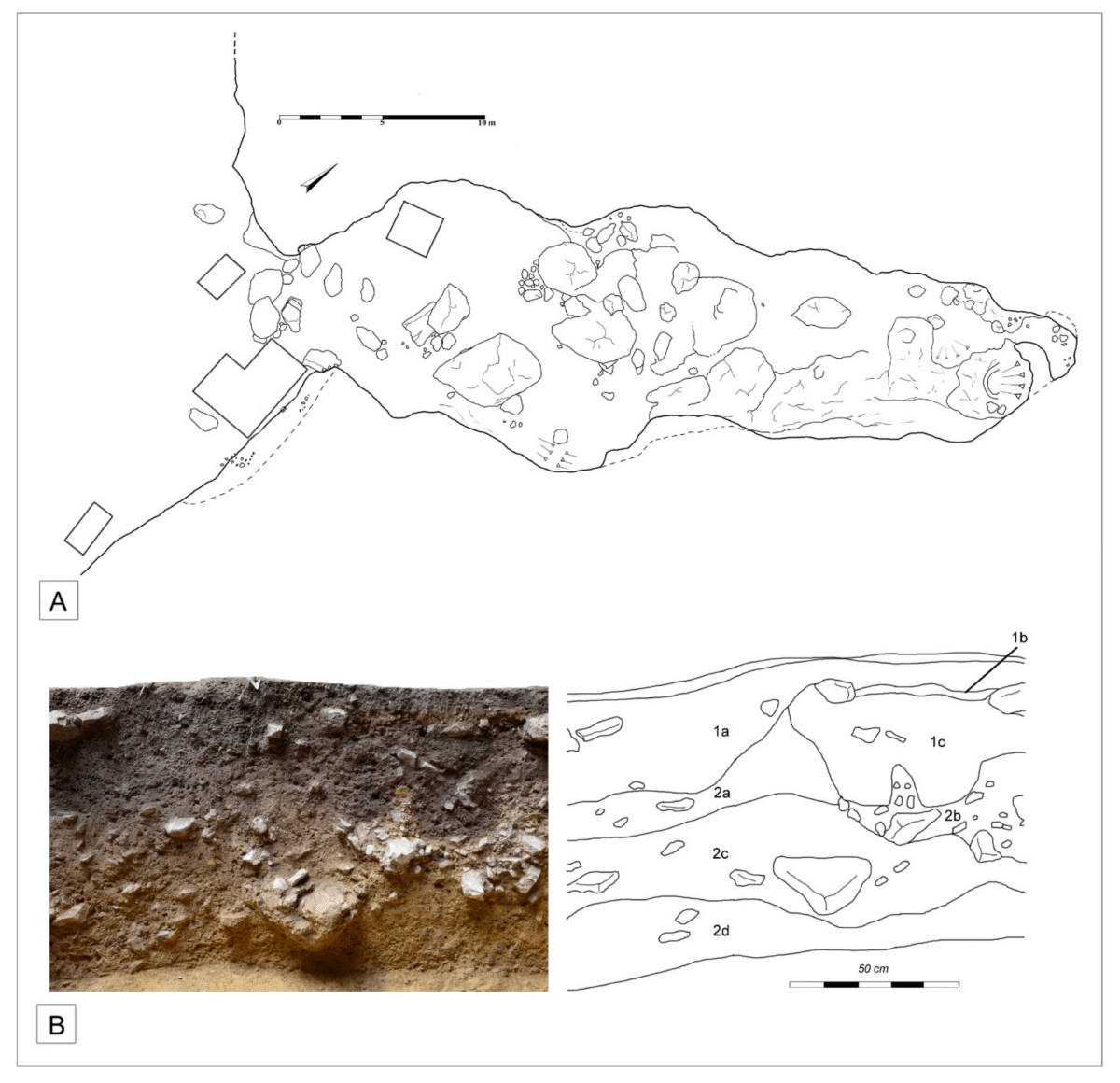
Connections with sites near the Adriatic Sea suggest humans might have regularly traveled between inland caves and coastal areas.
Stone Implements Indicate Daily Survival Activities
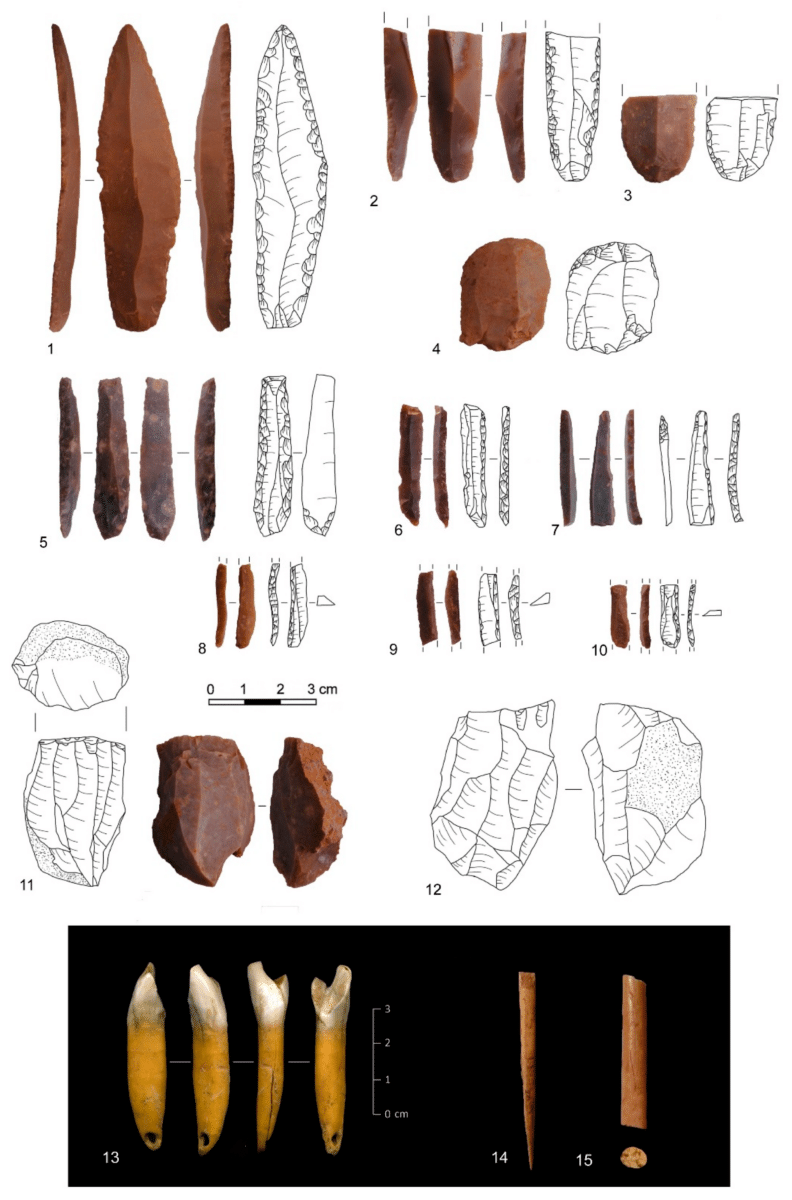
The remnants consist mainly of stone artifacts such as retouched tools, blades, and notably bladelets. The prominence of these small tools is significant. As the researchers mention:
“The high proportion of bladelets suggests the presence and maintenance of armatures with microlithic inserts,” they added. “It is common to assume that such composite tools were mainly hunting weapons, but in fact a much broader range of functions are possible.”
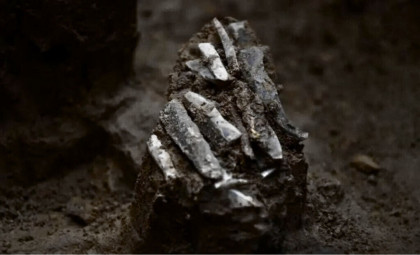
In the Velika Pecina cave, bone artifacts were also discovered, including two delicate awls or needles, alongside shaped fragments of bone, antler, and ivory. Though limited in quantity, this assortment implies tool repair and crafting activities essential for enduring the cold climate.
Varied Usage Among the Caves
Each cave site presents unique evidence of human activity. Velika Vranovica, a cavern set into a cliff face, contained stone implements and animal remains from species such as bison, ibex, and lynx. Some bones bore marks implying that predators, not just humans, frequented the location.
The Pecina kod Stene cave, characterized by narrow passages and multiple small chambers, yielded fewer artifacts, mostly fragments of retouched bladelets. The research team interprets these differences as evidence that each cave served distinctive functions within broader migratory and survival strategies.
- Categories:
- Science








0 comments
Sign in to Comment