
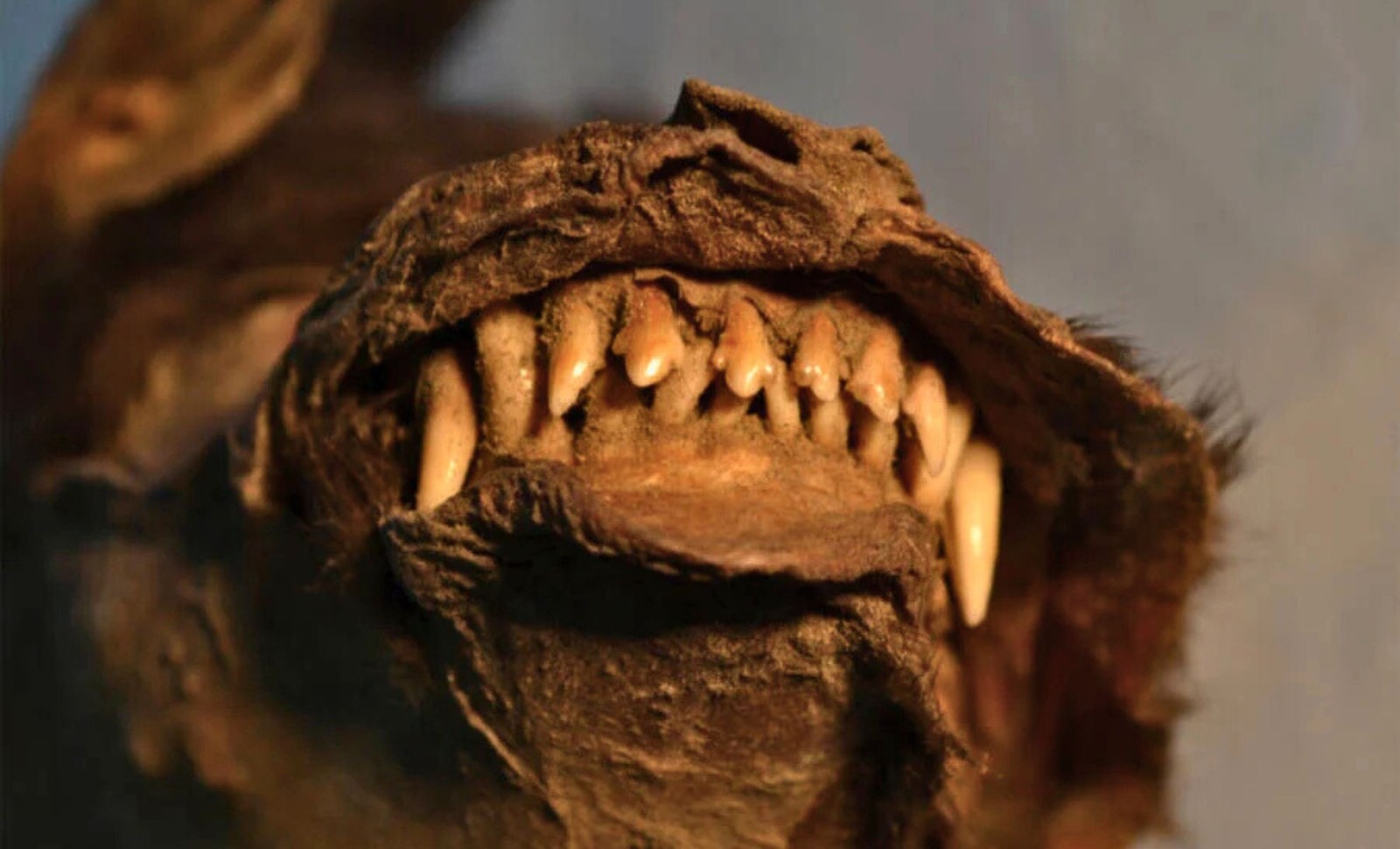
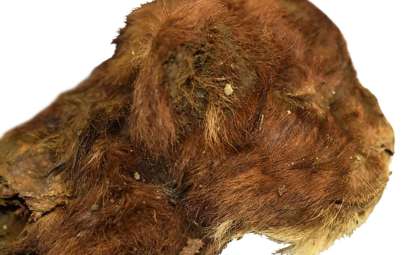
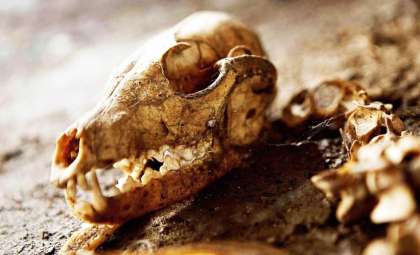
Researchers uncovered a 14,000-year-old preserved puppy in Siberia that contained the surprising remains of a woolly rhinoceros in its digestive system. This unprecedented find offers fresh perspectives on interactions between Ice Age predators and extinct megafauna.
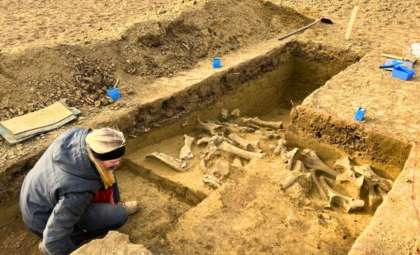
The extraordinary canine, excavated in Tumat in 2011, stands out for its exceptional state of preservation. Scientists discovered undigested tissue within its stomach lining that matched the DNA of a woolly rhino, indicating the puppy had consumed a portion of one of the species’ last survivors before both animals perished.
A Unique Glimpse Into The Woolly Rhino's Final Era
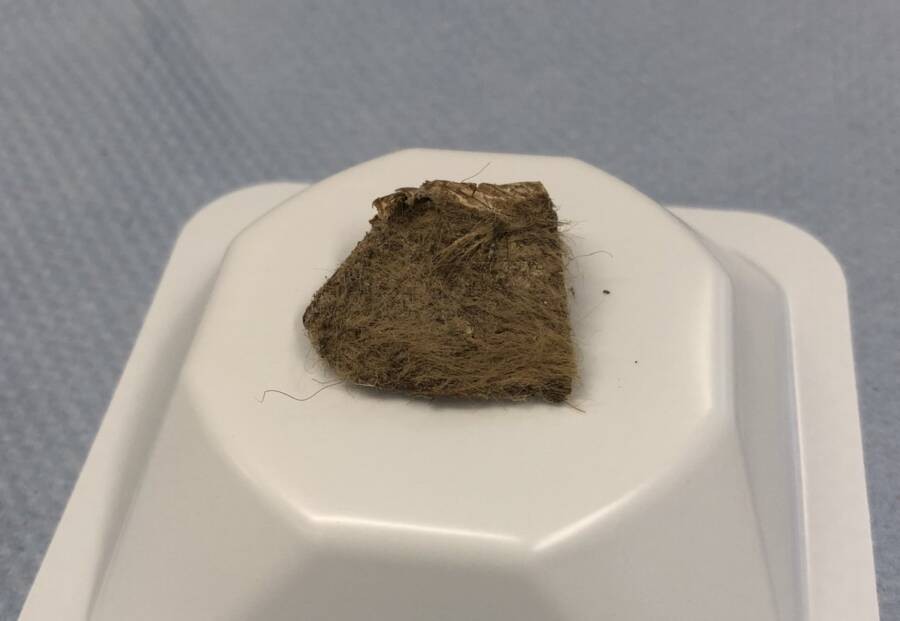
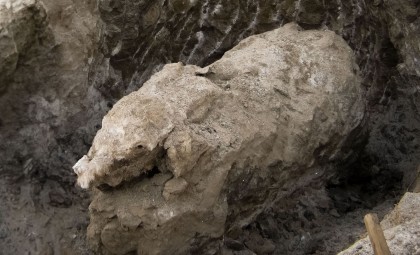
Initially thought to be lion tissue due to its yellowish hue, further analysis conducted by a Swedish team with access to an extensive mitochondrial DNA repository confirmed the tissue's identity.

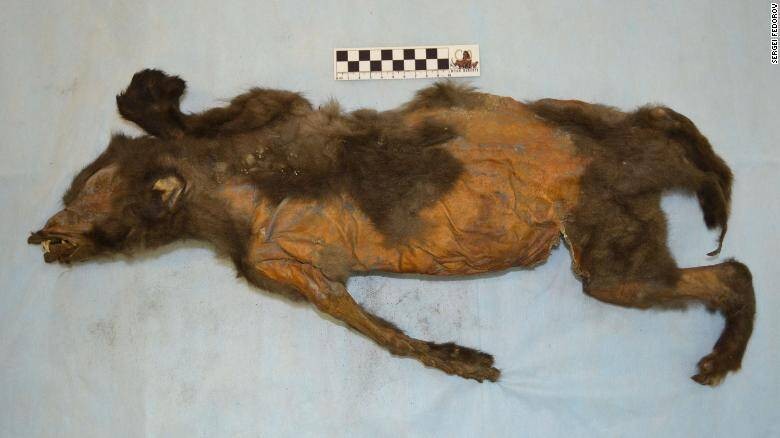
Evolutionary geneticist Love Dalén described the genetic match as “nearly perfect for woolly rhinoceros.” Radiocarbon dating placed the rhino tissue at about 14,400 years old, while the puppy dates back roughly 14,000 years, situating both near the species’ extinction period. As Dalén noted:
“This puppy must have died very shortly after eating the rhino,” because the tissue was still undigested.
The proximity between the feeding event and the puppy’s death suggests a narrow timeframe, though the specific cause of death remains a mystery.
How Could a Young Puppy Access Woolly Rhino Meat?
While DNA and dating data offer strong evidence, the exact nature of the encounter is puzzling. Given the massive size of woolly rhinos—comparable to today’s white rhinos, about six feet tall and weighing up to 8,000 pounds—a juvenile carnivore would not have been capable of hunting one. Several hypotheses exist, though none can be confirmed.
Edana Lord, a PhD candidate at the Centre for Palaeogenetics and co-author on the woolly rhino extinction research, believes the puppy was unlikely to be a direct predator. Dalén posits the possibility that the puppy may have been a part of a wolf pack that encountered a deceased young rhino. Another theory he offered is:
“We don’t know if it was a wolf, but if it was a wolf cub, maybe it came across a baby rhino that was dead. Or the (adult) wolf ate the baby rhino. Maybe as they were eating it, the mother rhino had her revenge.”
Additional Frozen Canine Fossils Expand Understanding of Ice Age Fauna
The Tumat puppy is part of a growing catalogue of Ice Age species meticulously preserved in Siberia’s permafrost. Over the past decade, numerous ancient canines have been uncovered, revealing details about prehistoric ecosystems. For instance, All That’s Interesting reported a 50,000-year-old wolf pup found in the Yukon alongside a mummified caribou in 2016. Another unique find from 2019, named Dogor, is estimated at around 18,000 years old and considered a wolf-dog hybrid.
- Categories:
- Science




0 comments
Sign in to Comment