
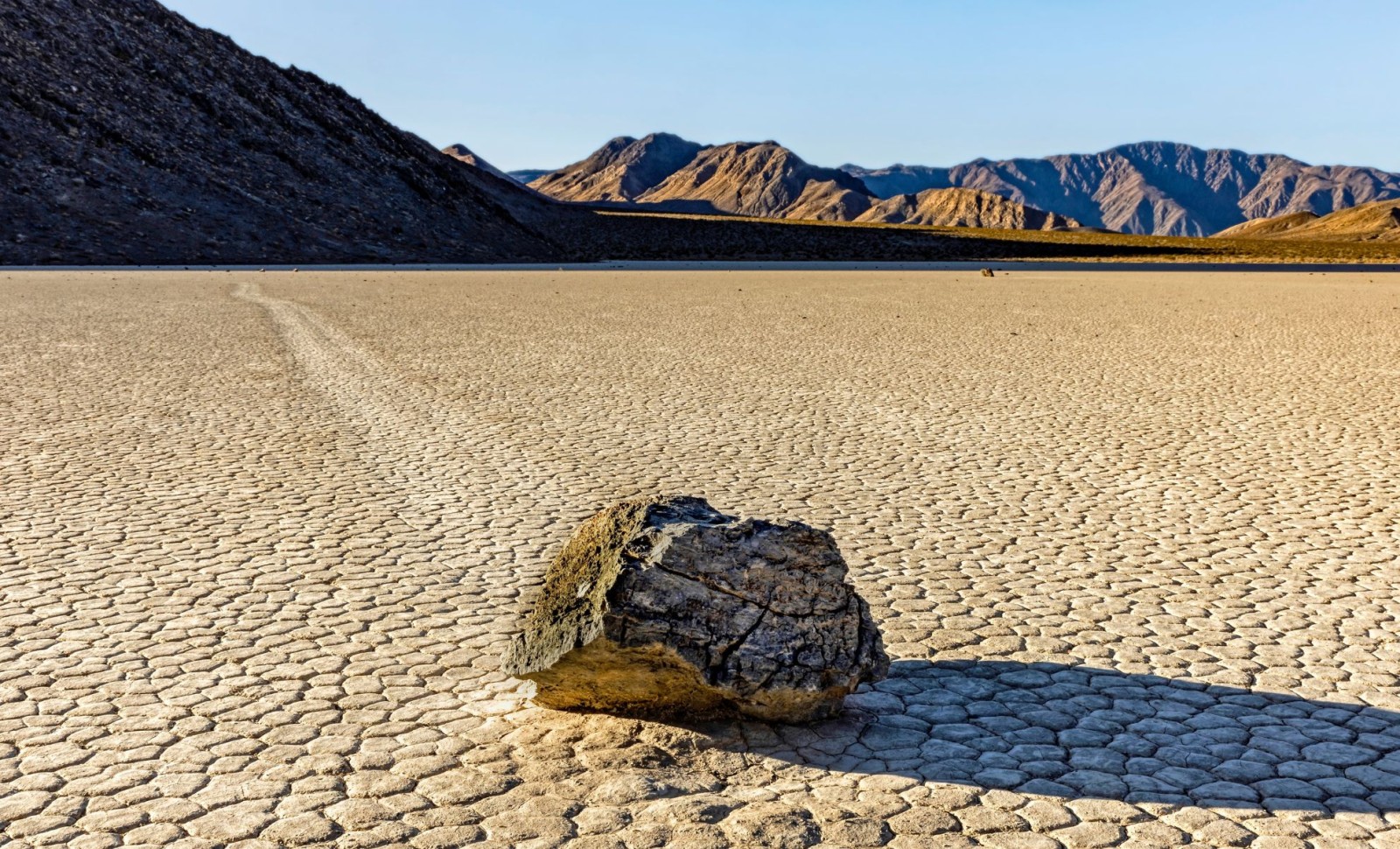
Death Valley, often recognized as one of Earth's most arid regions, has witnessed a dramatic environmental event as an ancient lake from the Ice Age, Lake Manly, briefly refilled due to exceptional rainfall. This vast basin, dry for more than 10,000 years, has seen water accumulate once again after significant storms drenched the area.
Uncharacteristic for a location that usually collects less than two inches of precipitation annually, the rainfall between September and November 2023 amounted to 2.41 inches (6.12 cm), surpassing typical yearly totals. The National Park Service (NPS) notes that this deluge not only revived the dormant lake but also sparked considerations about how climate change might be influencing Death Valley’s fragile and fluctuating climate.
Record-Breaking Rainfall Strikes Death Valley
Between September and November 2023, the normally parched Death Valley National Park experienced a historic surge in rainfall, totaling 2.41 inches (6.12 cm) and setting new regional records. While modest by global standards, this amount is remarkable given the park's usual yearly average is below two inches. November alone delivered 1.76 inches (4.47 cm), breaking the previous monthly record of 1.7 inches. This intense rainstorm led to widespread road closures due to storm damage and debris.

The sudden influx of water has altered parts of the park’s landscape noticeably, with the partial return of Lake Manly being the most apparent change. This prehistoric lake once extended over nearly 100 miles (161 kilometers) before disappearing after the last Ice Age. In response, the National Park Service is evaluating how such intense weather might influence the area’s distinct ecosystem, including the renowned springtime wildflowers.
The Temporary Revival of Lake Manly
While Lake Manly has resurfaced before following heavy rains, this latest appearance is notable. According to the National Park Service, although the lake isn’t large enough for recreational activities like boating at this time, it serves as a poignant reminder of an era when water dominated the valley. At its height, Lake Manly reached depths of about 300 meters (1,000 feet) and spanned extensive parts of Death Valley.
The lake has emerged several times in recent years, including after Hurricane Hilary in 2023, but currently remains shallow—barely ankle-deep in many areas. Nevertheless, its reappearance after thousands of years underscores how drastic and sudden environmental changes can be in this desert region.
Is Extreme Weather Becoming More Frequent?
The heavy showers that led to Lake Manly’s brief reformation are part of a larger pattern of severe weather episodes connected to climate change. While the National Park Service stops short of directly attributing this event to global warming, the intense rainfall aligns with worldwide trends of intensified storms and disrupted weather systems driven by rising temperatures.
As one of the planet’s hottest and driest spots, Death Valley might face significant ecological and climatic shifts. Although the lake’s return is fleeting, it highlights the potential for increased weather volatility due to ongoing climate changes that could challenge the region’s delicate environmental balance.
- Categories:
- News









0 comments
Sign in to Comment