
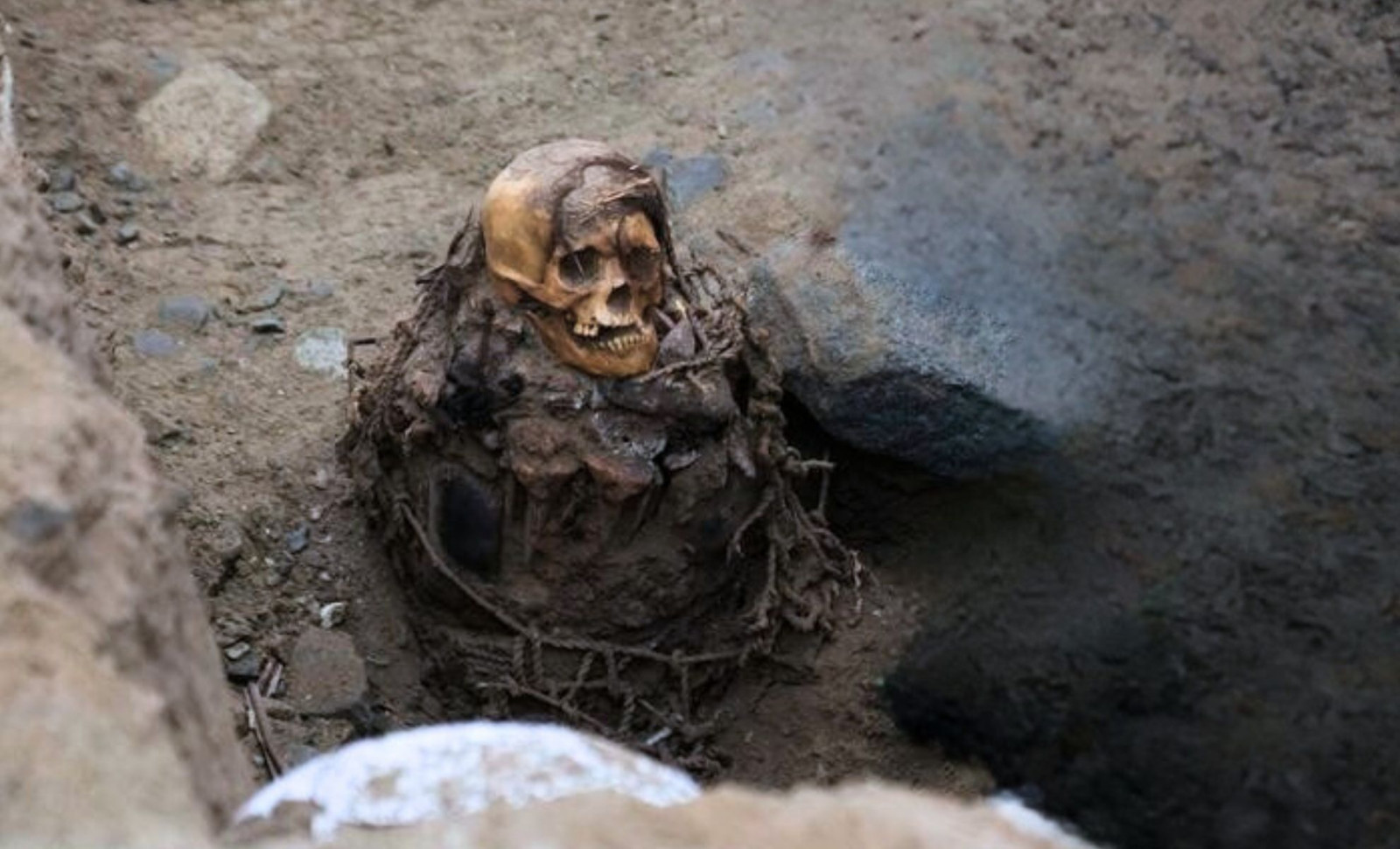
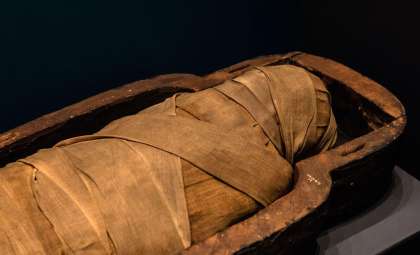
During the installation of a natural gas pipeline in a residential area of Lima, Peru, workers uncovered a remarkably preserved mummy estimated to be over 1,000 years old. This juvenile burial, now under detailed archaeological examination, offers fresh perspectives on pre-Inca funerary traditions along Peru’s central coast.
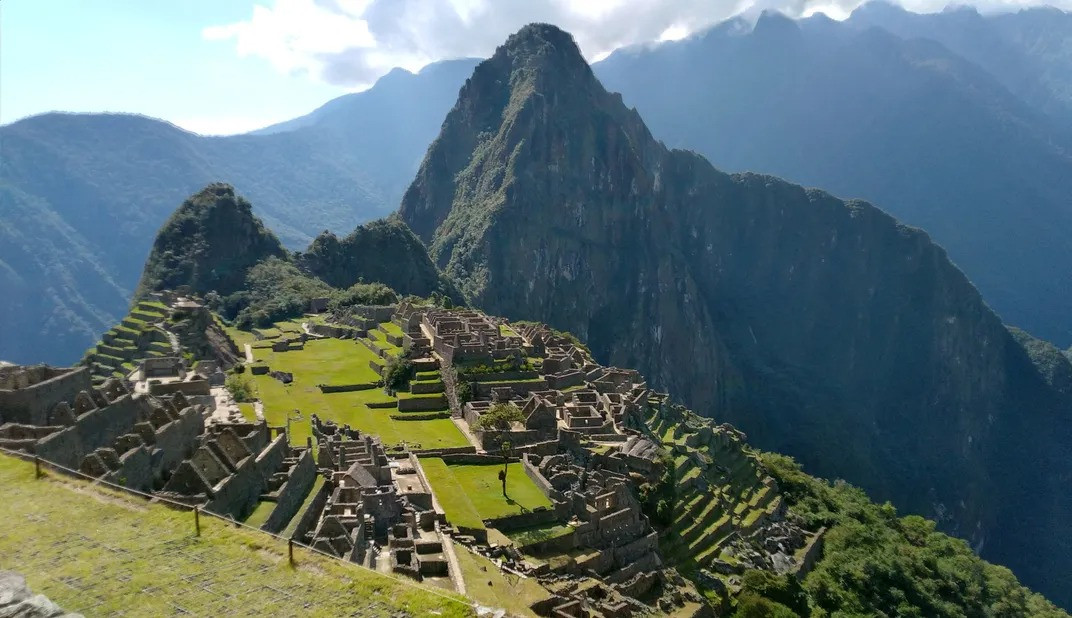
Lima, a city layered with thousands of years of habitation, is known for its rich and complex archaeological heritage. Construction projects frequently reveal well-preserved artifacts, skeletal remains, and remnants of ancient architecture, reflecting the deep cultural history beneath the urban landscape.
In this instance, excavation efforts for a gas pipeline uncovered the burial site at a shallow depth, indicating minimal disruption since burial. Initial findings reveal the young individual was buried with offerings related to marine life and arranged according to known regional ritual customs.

Analysis is ongoing, with expectations that the discovery will enhance understanding of Chancay culture settlements and burial customs.
Findings Point to Chancay Era Origins
Archaeologists linked to Cálidda, the gas company spearheading the project, discovered the burial in June 2025 during trenching in Lima’s Puente Piedra district. The remains belong to a child estimated to be between 10 and 15 years old, found seated and wrapped within a textile covering, with dark brown hair remarkably preserved. There was no evidence of post-burial disturbance.
Jesús Bahamonde, the scientific coordinator at Cálidda, noted that the burial “matches a cultural style from 1000 to 1200,” according to a Smithsonian Magazine article. Ceramics found nearby contained remains of marine crustaceans, including crabs, which Bahamonde told Reuters will provide insights into the young individual’s diet.
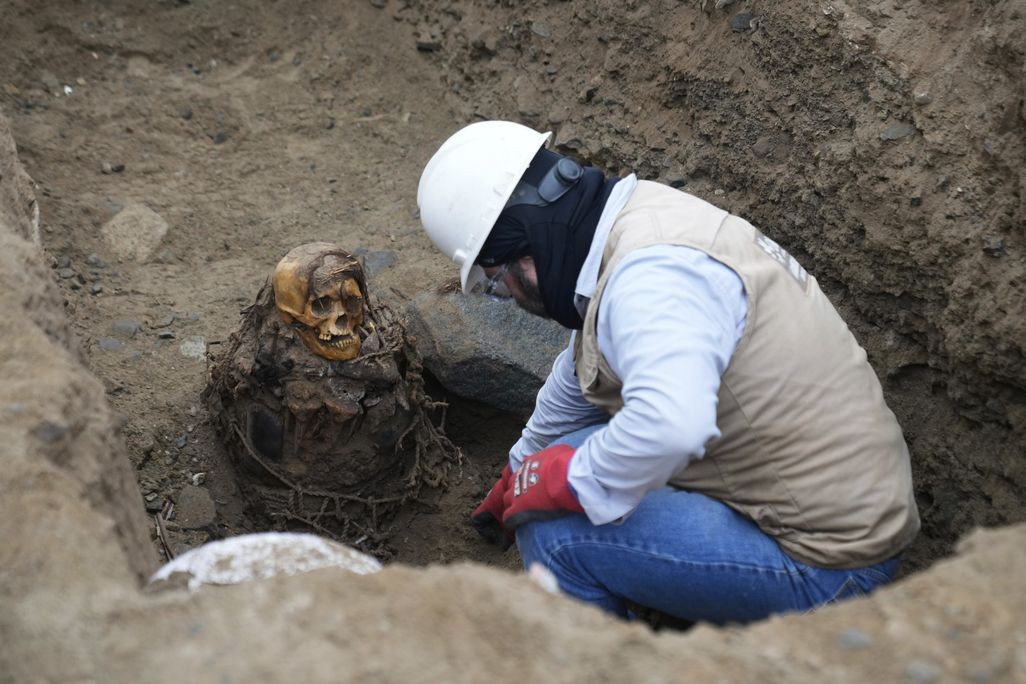
Furthermore, a huarango tree trunk positioned above the grave likely served as a commemorative marker, assisting in dating the site and understanding its stratigraphy. The body faced west towards the Pacific Ocean, accompanied by artifacts featuring fishing motifs and geometric shapes characteristic of Chancay iconography.
The huarango tree, significant in coastal Peru both ecologically and spiritually, has been historically incorporated into burial sites. Its cultural relevance is further explored in studies into coastal forest systems, outlining its role in ancestral ceremonial practices.
Thousands of Archaeological Finds from Gas Infrastructure Projects
Peruvian heritage regulations mandate archaeological monitoring in public construction projects, especially within urban zones. Since commencing large-scale gas infrastructure installation in Lima, Cálidda has documented over 2,200 artifacts in collaboration with the Ministry of Culture.
The company emphasized in a statement featured in Smithsonian Magazine that this discovery "serves as a reminder of the importance of safeguarding the priceless heritage beneath our cities."
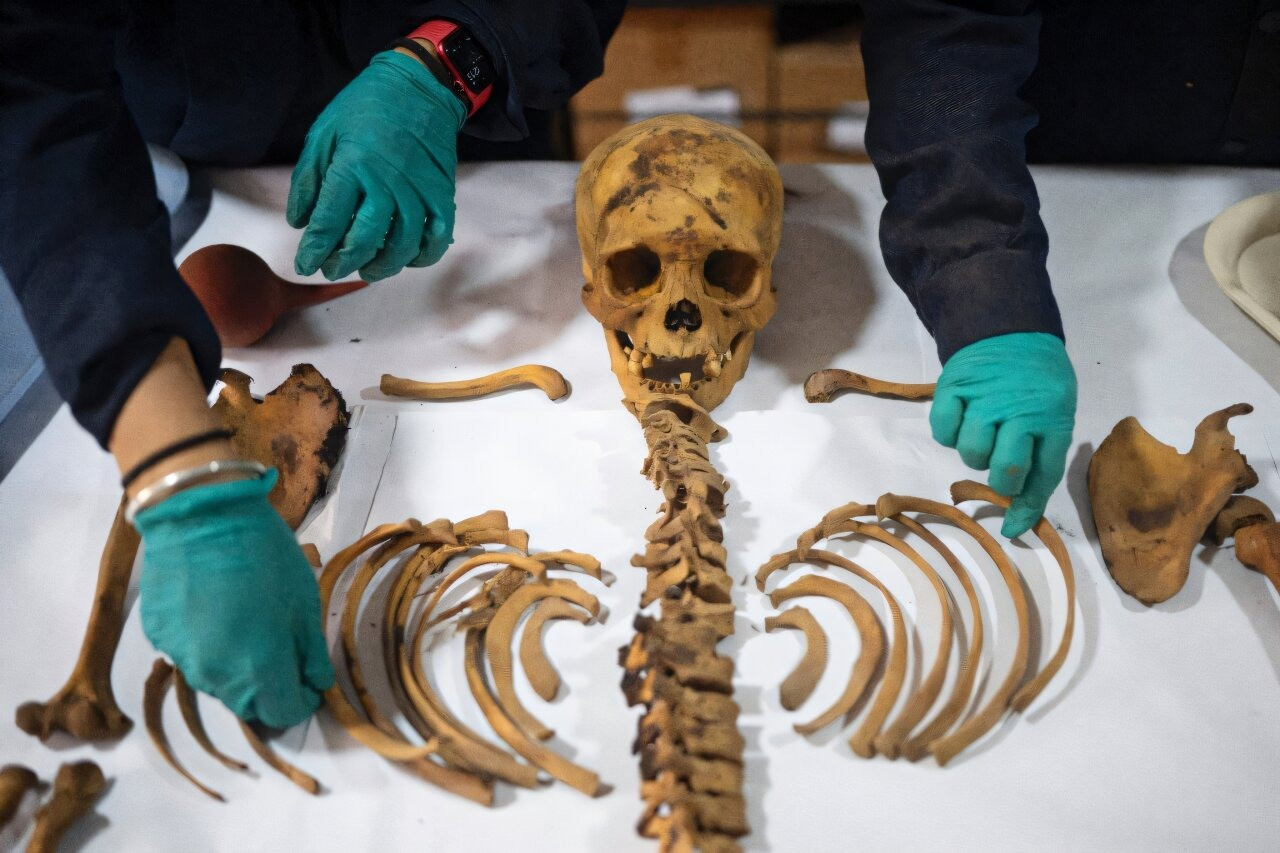
Pieter Van Dalen, head of the College of Archaeologists of Peru, told the Associated Press that archaeological discoveries along Peru’s coast, including Lima, frequently involve funerary remains such as tombs and mummified bodies. He highlighted that natural arid conditions or traditional burial techniques, like seated interments with hands covering faces, help preserve these remains.
The Modern Metropolis on Ancient Ground
Lima stands out as one of Latin America’s most archaeologically rich cities, with countless known and undiscovered sites lying beneath modern urban footprints, ranging from ceremonial mounds to family burial grounds. Many of these are only identified when disturbed by new building or infrastructure projects.
In a 2022 article by The New York Times, archaeologist Cecilia Camargo, affiliated with Cálidda, shared: “A 3,000-year record of human activity lies literally just below the city’s surface. We have uncovered finds in nearly every district.”
This recently discovered burial site in Puente Piedra aligns with trends where modern infrastructure projects reveal archaeological contexts otherwise out of reach. The burial’s shallow location and well-preserved condition raise new considerations about undocumented Chancay-era cemeteries beneath Lima.
No surrounding architectural remains were found, but further excavations will explore the broader context. Upcoming scientific studies including textile evaluation, radiocarbon analysis, and residue tests on ceramic contents are expected to provide deeper understanding.
- Categories:
- News







0 comments
Sign in to Comment