
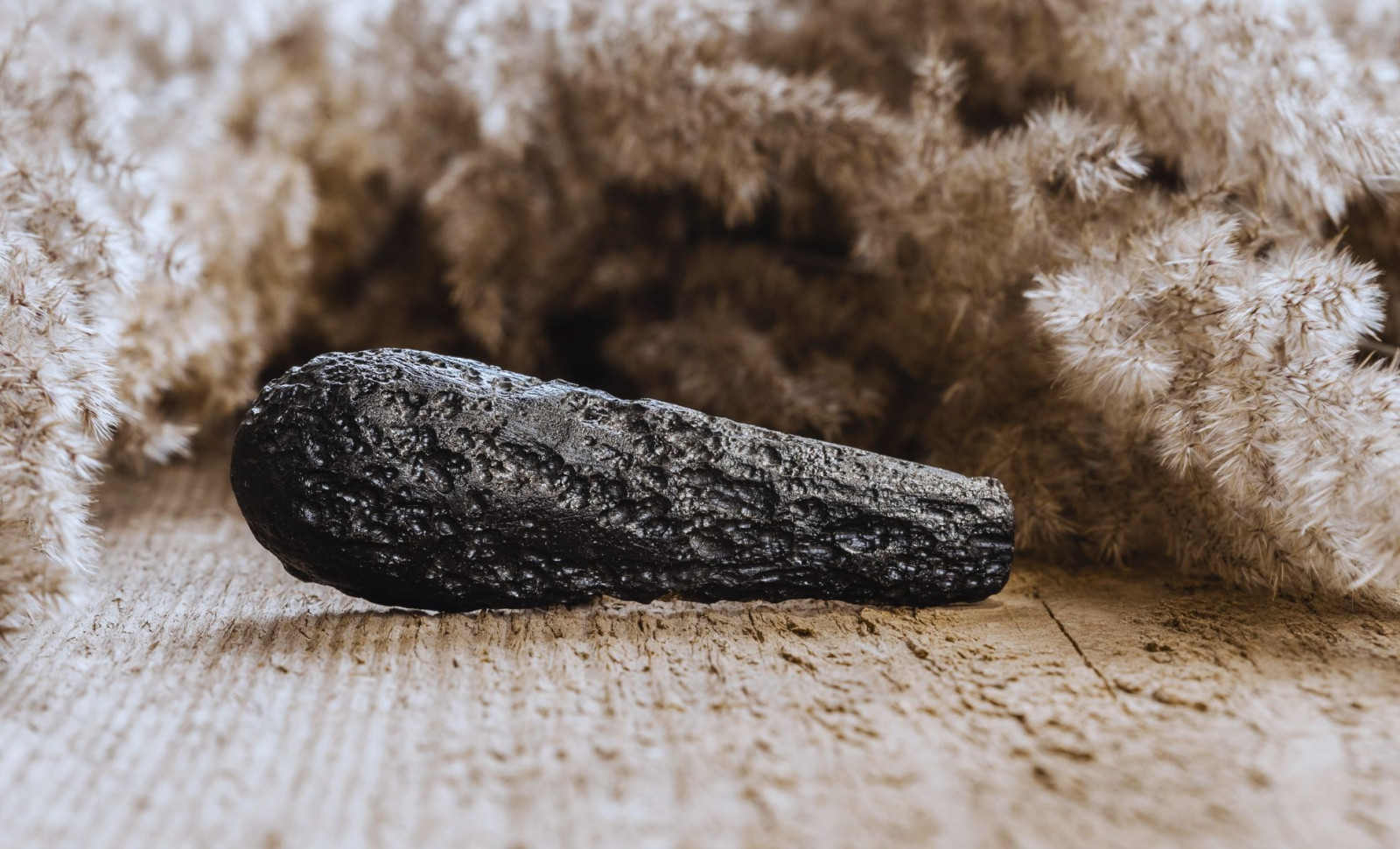
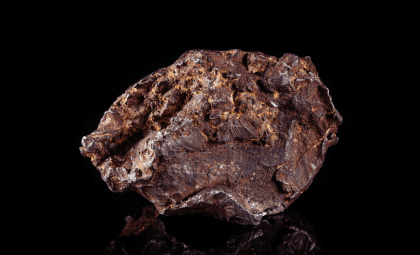
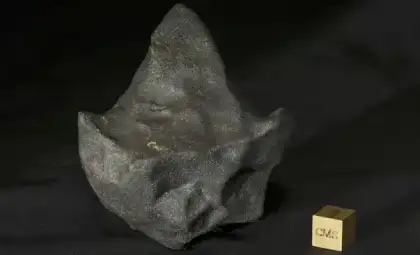
A remarkable Martian rock called Black Beauty has provided fresh clues about the Red Planet’s ancient environment. Utilizing state-of-the-art imaging methods, scientists investigated this meteorite without damaging it. Although the sample is modest in size, its findings hold significant implications for understanding Mars’ planetary past and its potential to have supported life.
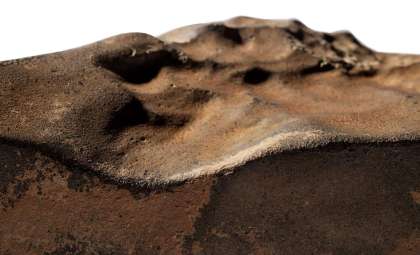
Believed to have been ejected by a colossal impact on Mars, this meteorite dates back more than 4.48 billion years. Noted for its distinctive black surface, Black Beauty ranks among the most ancient Martian fragments discovered. Recent research employing non-destructive computed tomography (CT) revealed unexpected features, bolstering evidence that liquid water once existed on Mars.
Innovative Imaging Advances Martian Research
Traditionally, probing meteorites like Black Beauty (also termed NWA 7034) involved cutting or grinding, risking sample loss. A research team recently deployed advanced CT scanning to analyze the specimen intact, enabling a detailed glimpse inside without physical disruption.

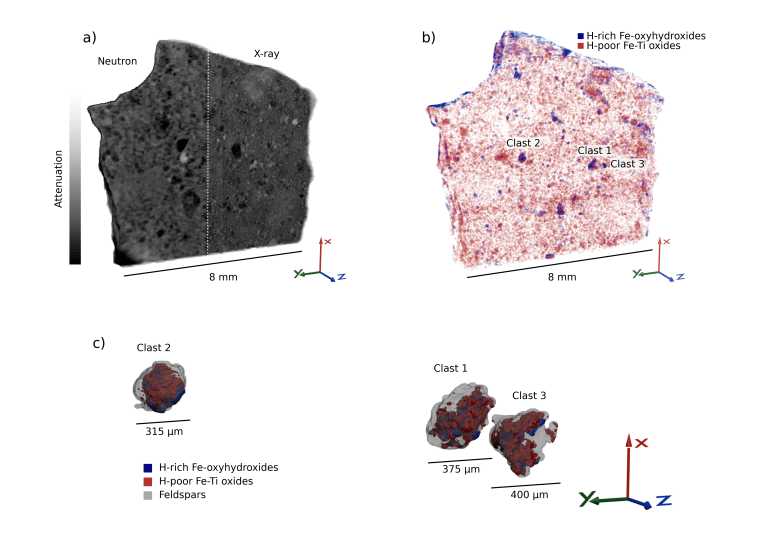
“The region we identify as being the source of this unique Martian meteorite sample constitutes a true window into the earliest environment of the planets, including the Earth, which our planet lost because of plate tectonics and erosion,” explained Dr. Anthony Lagain, a researcher at Curtin University’s Space Science and Technology Center.
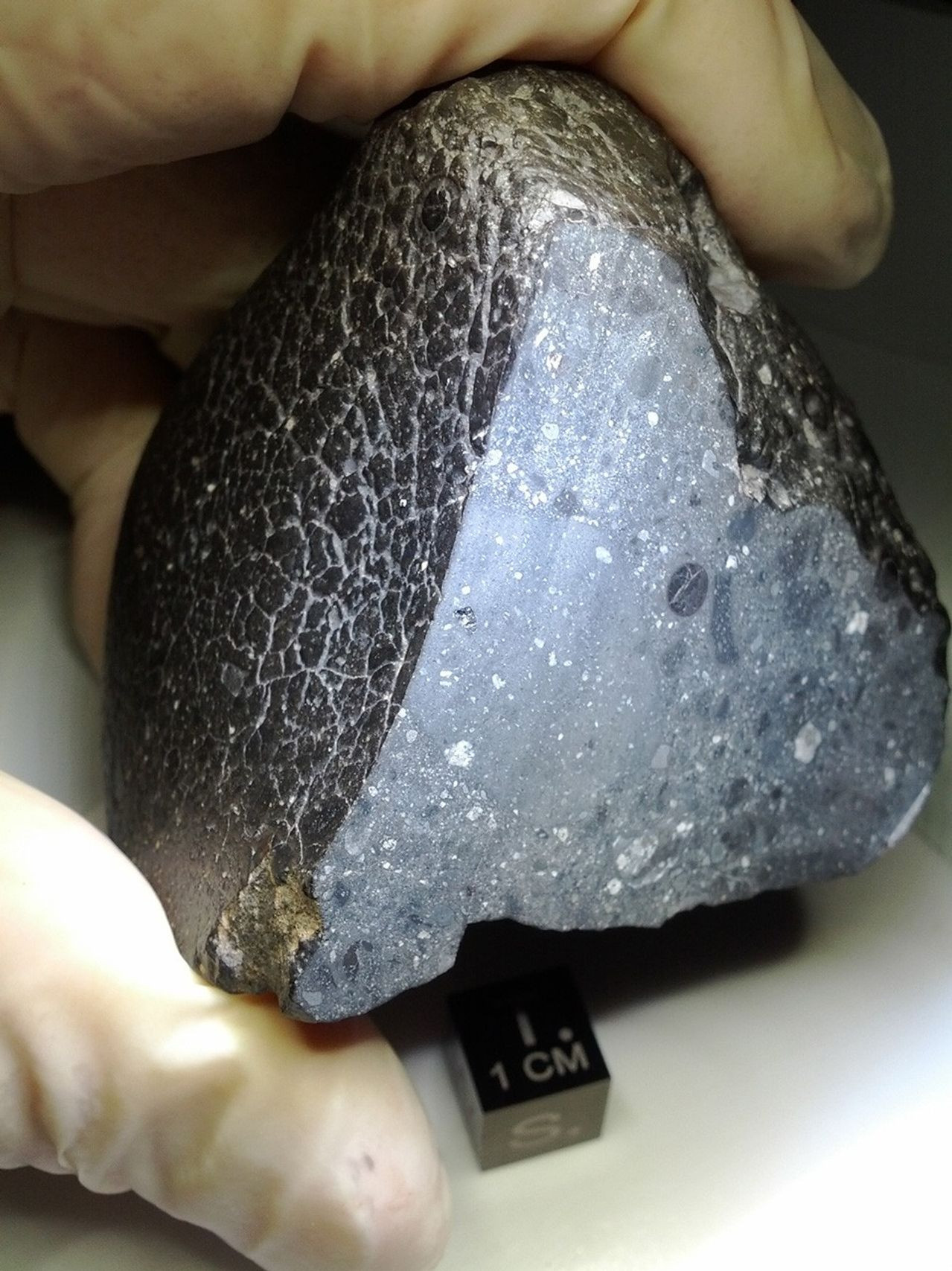
A study from the Technical University of Denmark published as a pre-print on arXiv discovered hydrogen-rich iron oxyhydroxide clasts nestled inside the meteorite. These minute particles make up roughly 0.4% of the rock by volume but are crucial, indicating that Black Beauty harbors water, which could represent up to 11% of the rock’s total water content.
Clasts Unlocking Mars’ Aquatic Secrets
Although clasts are commonly found in such meteorites, the specific minerals inside Black Beauty, which only form under distinct heat and pressure conditions, point to the involvement of liquid water. The researchers noted:
“These alteration assemblages closely resemble those observed in samples collected by the Perseverance rover in Jezero crater, where hydrated iron oxyhydroxides are also present. This similarity suggests that such phases may represent a widespread near-surface water reservoir on early Mars.”
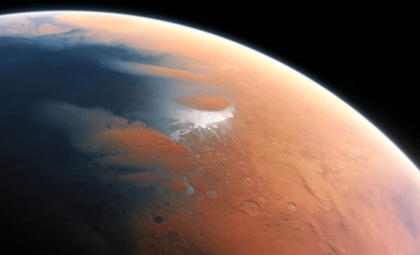
Though Black Beauty comes from a separate Martian region than samples gathered by rovers, its watery minerals reinforce the concept that Mars maintained liquid water billions of years ago.
Unlocking Mars' Mysteries Without a Rover
Black Beauty serves as a natural proxy for Mars sample-return missions. By examining these rare Martian rocks on Earth, scientists can extract vital geological data without conducting costly and complex missions directly on Mars.
“For the first time, we know the geological context of the only brecciated Martian sample available on Earth, 10 years before the NASA’s Mars Sample Return mission is set to send back samples collected by the Perseverance rover currently exploring the Jezero crater,” Dr. Lagain stated.
Although the Mars Sample Return initiative is planned to deliver Martian samples to Earth, delays have cast uncertainty over its schedule. Meanwhile, scientists make innovative use of CT imaging to peer inside the meteorite’s titanium shell, uncovering clues about Mars’ ancient watery environments.
- Categories:
- News




0 comments
Sign in to Comment