
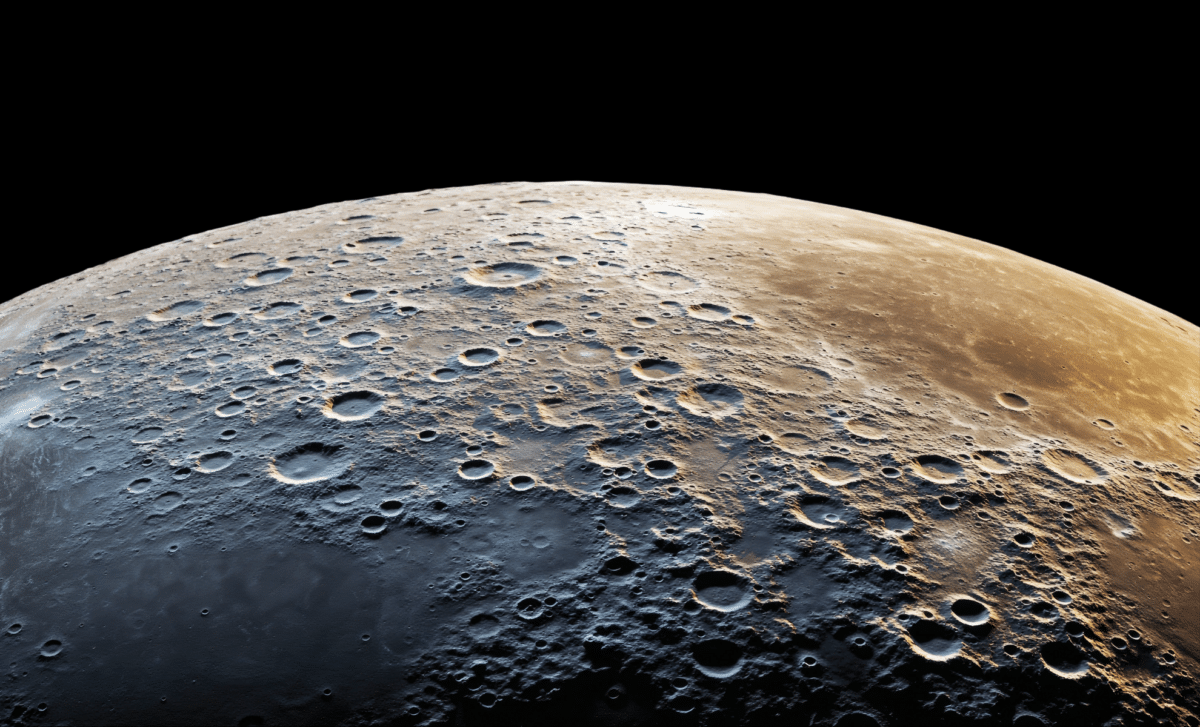
China’s Chang’e-6 lunar mission has made an extraordinary find on the Moon’s far side, revealing valuable clues about the Moon’s distant history. Published in Proceedings of the National Academy of Sciences, this discovery has the potential to alter our comprehension of the early Solar System and the origins of Earth’s water.
Chang’e-6 Mission Yields First Lunar Far Side Samples
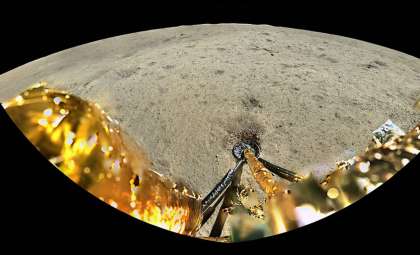
China’s Chang’e-6 mission marks a milestone in lunar exploration by returning the inaugural samples from the Moon’s far side. Among the approximately four pounds of lunar soil and rock collected, scientists have distinguished fragments of a rare meteorite dust variety. These minuscule particles belong to CI chondrites, a scarce meteorite type known for its high content of water and volatile elements that generally disintegrate or vaporize during planetary impacts.
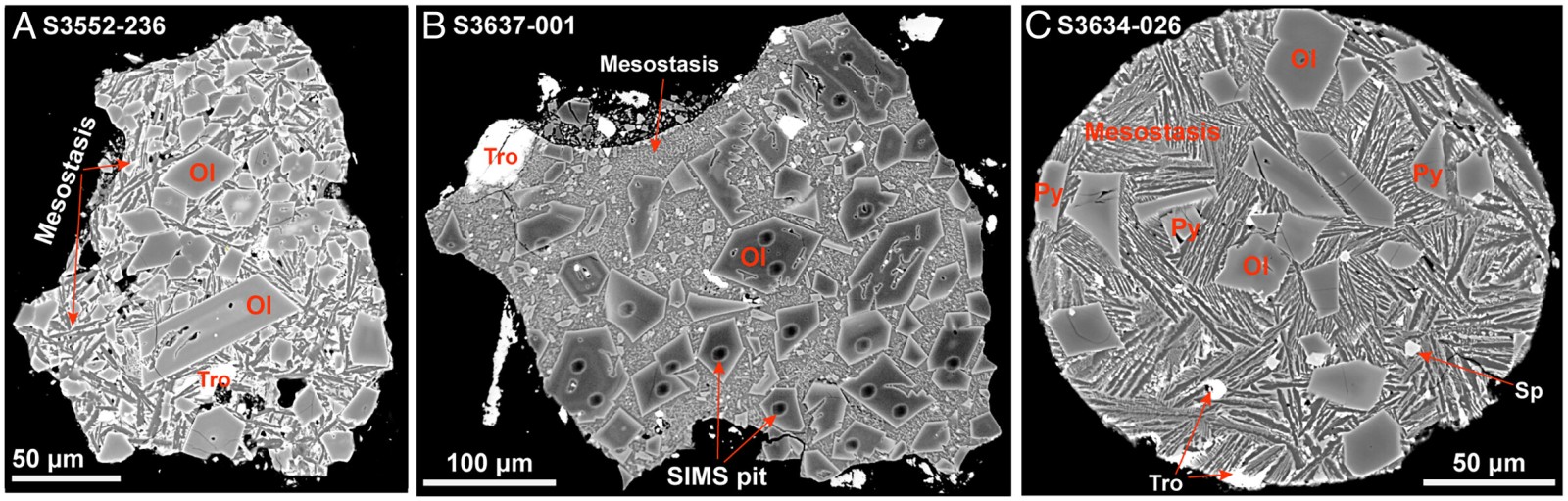
This finding, outlined in Proceedings of the National Academy of Sciences, is notable because CI chondrites are typically fragile, porous, and prone to destruction during atmospheric entry or high-velocity impacts. Their intact survival on the lunar surface indicates that water- and carbon-rich asteroids collided with both the Moon and Earth more frequently than previously estimated.

CI Chondrites and Their Significance in Solar System History
CI chondrites represent a chemically primitive group of meteorites, preserving elemental mixtures akin to the Solar System’s primordial materials. These rocks are abundant in water, carbon, and volatile substances essential to life’s emergence. Detecting them on the Moon bolsters the theory that water-bearing asteroids played a critical role in delivering water to Earth.
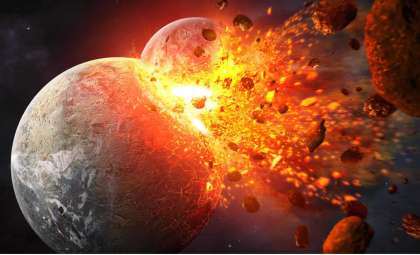
Researchers suggest that impacts from such delicate meteorites contributed significantly to Earth’s primordial water reserves. As these asteroids collided with the Moon and Earth, they deposited water-rich compounds that influenced the early formation of atmospheres and oceans across these bodies. This discovery underscores a more active early Solar System where volatile-rich asteroids regularly supplied key ingredients to planets.
Given the Moon’s proximity to Earth, its surface acts as a natural archive of ancient bombardment events that shaped our planet and its satellite. The preservation of CI chondrites in the lunar regolith, particularly on the far side, provides scientists with a preserved record to investigate the Solar System’s formative era and understand how vital elements like water and organic molecules arrived on Earth.
New Insights from Chang’e-6 into Lunar and Solar System Evolution
The Chang’e-6 expedition has broadened scientific knowledge of the Moon’s far side, a region largely hidden from Earth-based telescopes and spacecraft. This largely unexplored terrain contains ancient geological features that have remained relatively unaltered, offering exceptional insight into early Solar System conditions.
A key aspect of this discovery lies in the impact melt textures found in the CI chondrite fragments. These features demonstrate that the material endured intense heating—potentially melting briefly—before rapidly cooling, linking directly to impact events that occurred in the early Solar System. This provides valuable evidence about the energetic environment during the time when the Earth-Moon system was still developing.
Studying these meteorite samples enables scientists to unravel how asteroids transported water and volatiles to terrestrial planets, shaping their ability to support life. This knowledge will guide future missions focused on resource utilization and astrobiology across the Solar System.
- Categories:
- News




0 comments
Sign in to Comment