
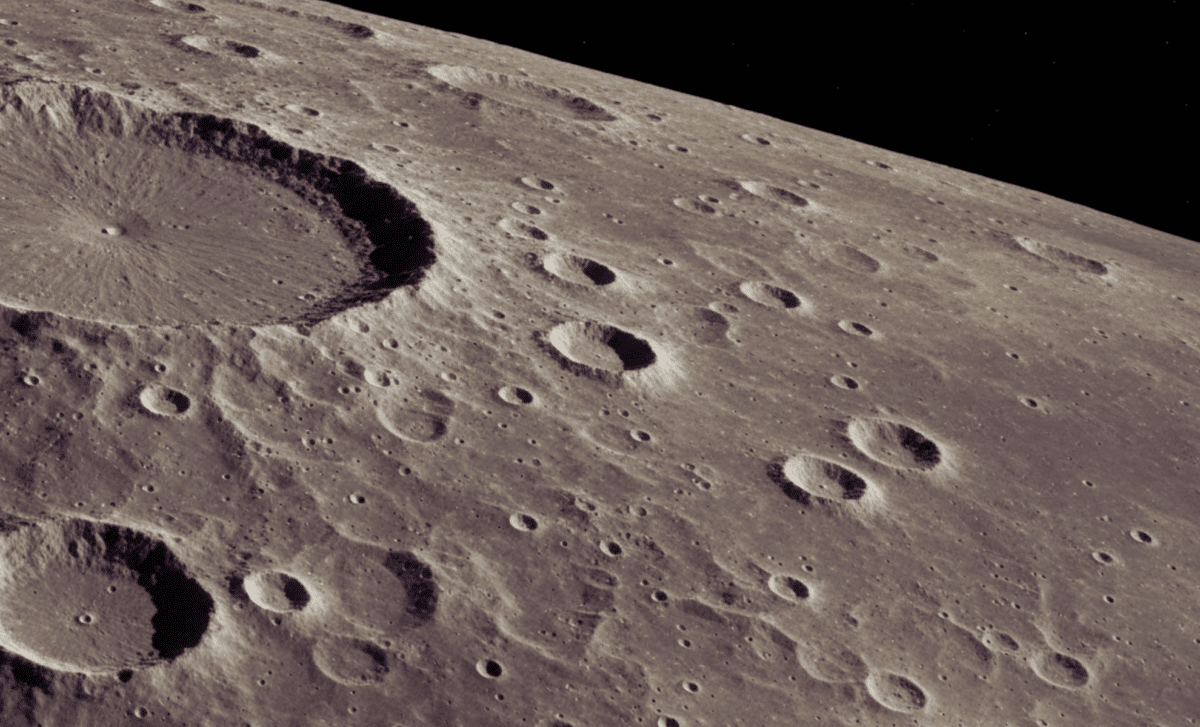
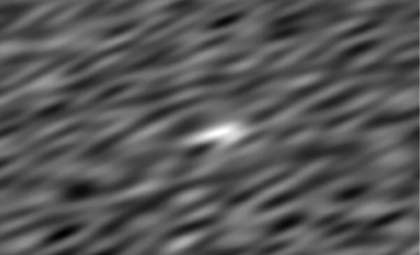
On December 12, 2025, astronomers at the Armagh Observatory and Planetarium (AOP) recorded an extraordinary event—a sudden burst of light caused by a meteoroid crashing onto the Moon’s surface. This remarkable observation, the first of its kind in Ireland, opens a window into the Moon’s ever-changing and sometimes violent environment. As part of their ongoing lunar impact research, the AOP team continues to deepen our understanding of the constant cosmic debris strikes affecting our nearest celestial neighbor.
Understanding the Scarcity of Lunar Impact Flashes
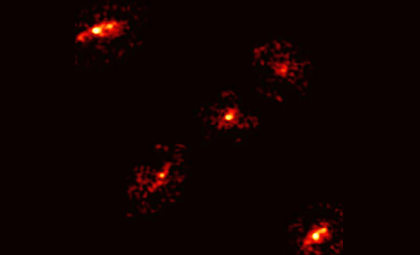
Lunar impact flashes occur when tiny meteoroids collide with the Moon at high velocities, producing brief flashes of light. These flashes are typically faint and last for mere fractions of a second, making them elusive targets for observers. The Armagh Observatory’s detection at exactly 03:09:36 UTC on December 12, 2025, offers new data on these fleeting events, revealing details that are usually impossible to capture with the naked eye.
Scientists have long sought to study lunar impact flashes, yet these events remain hard to observe due to their short duration and dim brightness. The meteoroids responsible are often very small—no larger than a golf ball—and nearly invisible while traveling through space. Upon impact, however, they strike the lunar surface at tremendous speeds, approximately 35 km/s in this instance, releasing vast amounts of energy. This extreme kinetic impact instantly generates heat and light, resulting in the observable flash. The Armagh Observatory team’s successful detection underlines the Moon’s susceptibility to such continuous space bombardment.

Role of the Armagh Robotic Telescope in Capturing the Event
The observatory’s ability to observe this rare lunar flash was largely due to its cutting-edge technology, especially the Armagh Robotic Telescope (ART). This instrument captured detailed, rapid video footage of the Moon’s night side, allowing the team to identify even the faintest flashes. The combination of ART’s sensitivity and high-speed camera capability was vital in seizing this brief moment of impact.
Andrew Marshall-Lee, a doctoral candidate in his final year at AOP, played a key role in this important discovery. Through persistent monitoring and skillful use of the ART, he helped secure this rare observation. Detecting such flashes requires advanced tools and considerable patience since they are uncommon and easy to miss. The insights gained from this event will enhance knowledge about meteoroid impacts on the Moon and assist future lunar missions and exploration activities.
Possible Connection with the Geminid Meteor Shower
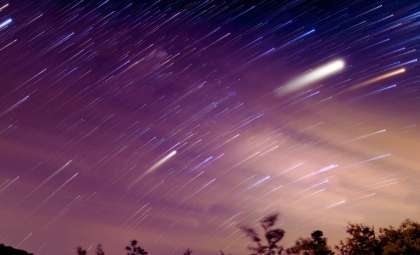
The timing of the impact flash coincided with the peak activity of the Geminid meteor shower, a prolific annual event known for its bright meteors originating from asteroid debris. It is probable that the meteoroid causing the flash was a fragment from this shower, although the exact source remains under study.
During meteor showers like the Geminids, the Moon encounters dense streams of debris from comets and asteroids. These streams contain many meteoroids small enough to create observable flashes upon impacting the lunar surface. With the Geminids active in December, astronomers have an excellent opportunity to monitor and analyze these impact events and better comprehend ongoing lunar surface changes.
Obstacles in Observing Lunar Impact Flashes
Spotting lunar impact flashes presents significant challenges. The Moon’s surface is often illuminated by sunlight, complicating detailed observations. Moreover, these flashes last only moments, requiring special equipment to detect them accurately. Advanced telescopes with apertures of at least 20 cm and high-speed cameras are essential tools for this work. Observing the Moon’s dark side—where such flashes are most visible—necessitates both skill and perseverance.
Due to their rarity and fleeting nature, many trained observers may never witness these flashes firsthand. The capture of this event by the Armagh Observatory illustrates the critical role robotic telescopes can play in studying transient lunar phenomena. This achievement paves the way for expanded lunar research and promises new discoveries about the Moon’s ever-changing landscape.
- Categories:
- News




0 comments
Sign in to Comment