
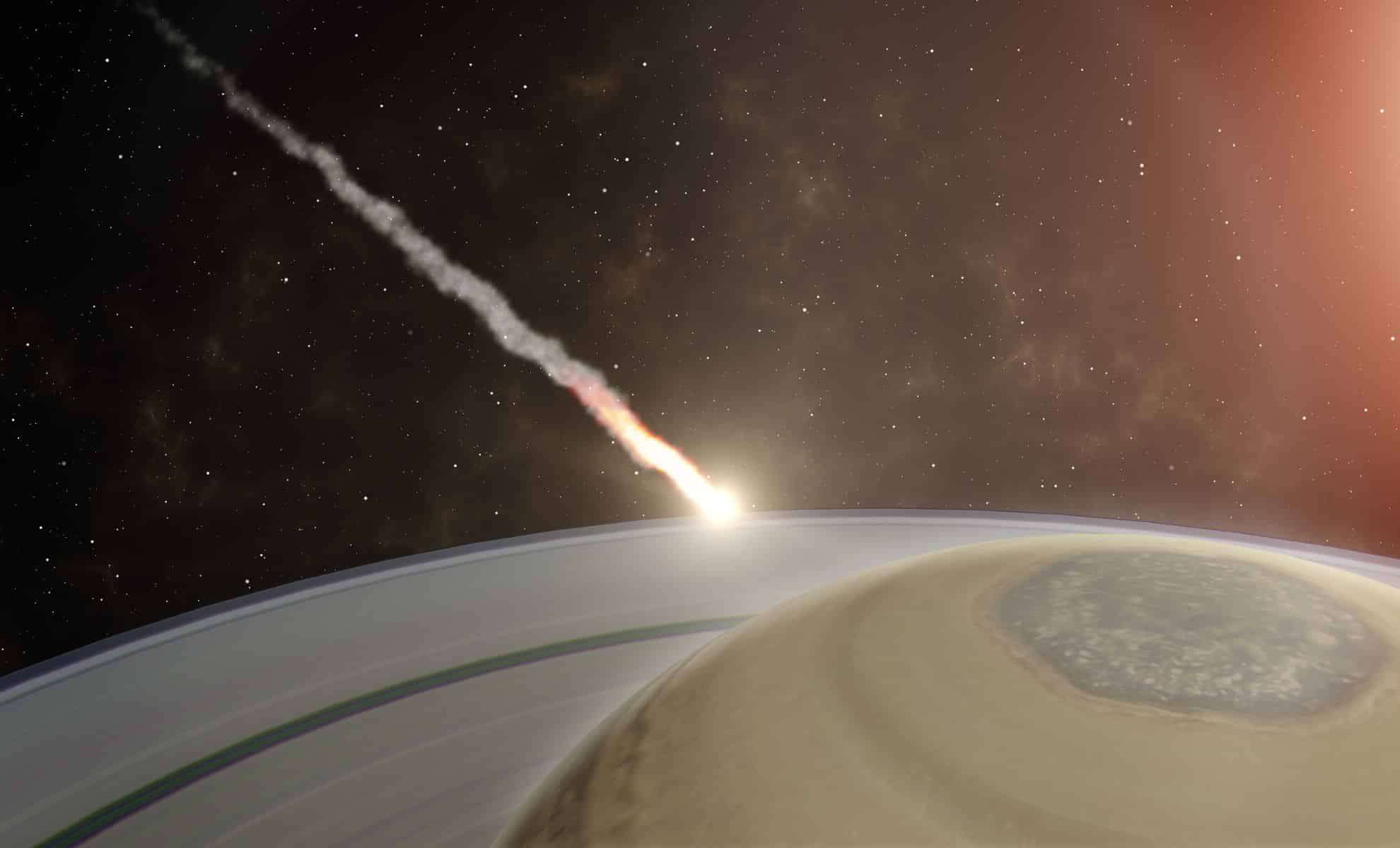
Earlier this summer, astronomers were intrigued by an unexpected bright flash observed on Saturn, leading to widespread speculation about a potential collision with a space object. The initial sighting was made by amateur astronomer Mario Rana and later featured by New Scientist. While early reports hinted at an asteroid or comet impact, subsequent investigations shifted the narrative.
A Unique Event on the Ringed Planet
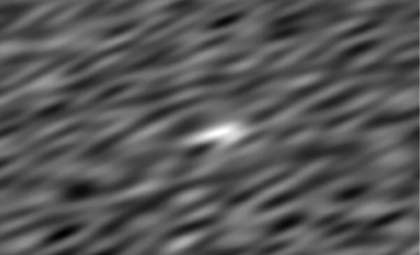
Scientists estimate that Saturn encounters impacts from roughly seven asteroids or comets annually, yet no such collision has ever been visually confirmed. On July 5, 2025, Rana, affiliated with NASA, captured images showing a brief luminous event in Saturn’s upper atmosphere.
Rana supports the DeTeCt project, a cooperative initiative that scrutinizes planetary images to spot impact flashes. This software flags sudden bright spots that might signal a space object striking a giant planet such as Jupiter or Saturn. Confirming Rana's discovery requires that independent observers detect the same occurrence.

Why Verifying the Event Is Crucial
Experts promptly searched for corroborating observations from other telescopes recorded in the timeframe between 9:00 and 9:15 UTC. Multiple detections are essential to dismiss the possibility that the flash was merely a camera artifact, as explained by Ricardo Hueso from the University of the Basque Country.
Leigh Fletcher, an astronomer at the University of Leicester, emphasized the difficulty: “If this flash is only observed by one individual – which is currently the case – there's a significant likelihood it’s not genuine. It might be just an anomaly in the data.” This cautious approach reflects the rarity and difficulty of differentiating true planetary impacts from data noise.
Recalling Jupiter’s Famous 1994 Collision
This event brought to mind the 1994 impact of comet Shoemaker-Levy 9 on Jupiter, a historic moment marking the first real-time observation of a planetary collision. The comet's fragments struck Jupiter over several days, leaving prominent dark marks visible even through amateur equipment. This event deepened understanding of both the comet and the atmospheric response of such a massive planet.
A verified impact on Saturn could have yielded similar insights, albeit on a smaller scale, providing a valuable chance to study how Saturn’s atmosphere and rings react to such impacts.
Recent Findings and Future Outlook
The DeTeCt project later clarified that the luminous event was not observed in other image sets, indicating that Saturn was not struck by any object. While this tempered initial excitement, it highlighted the effectiveness of global collaboration in modern astronomy.
Experts remain optimistic that the first confirmed impact on Saturn is imminent. Enhanced amateur telescopes and a growing network of observers worldwide increase the chances of capturing such rare phenomena in the near term.
- Categories:
- News



0 comments
Sign in to Comment