
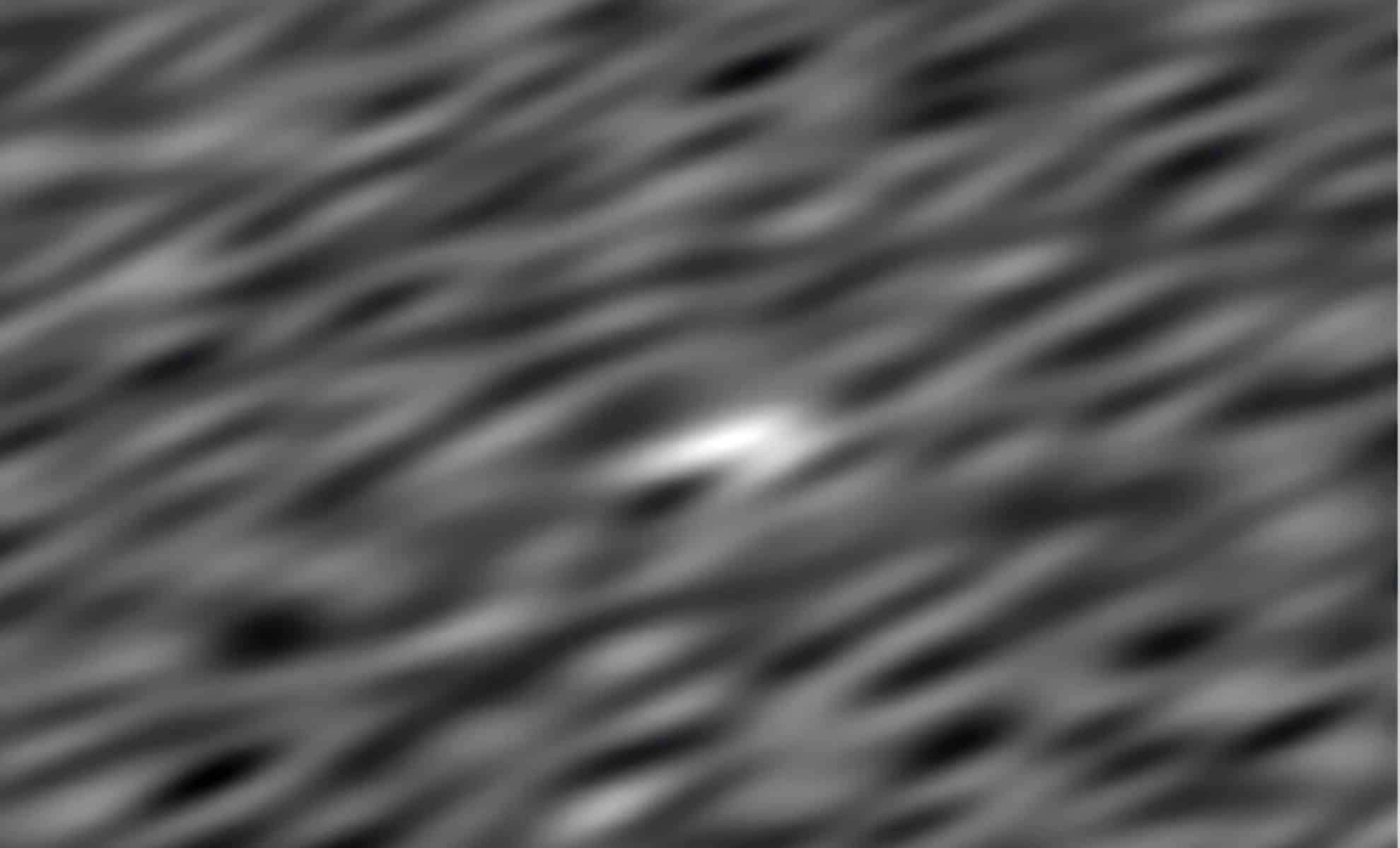
Space is filled with enigmatic events that often challenge even the most experienced astronomers. One such mysterious signal—a brief and intense flash of radio waves—remained unexplained for over a year.
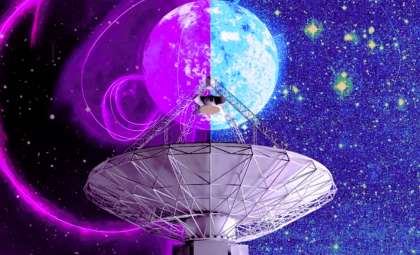
Captured in June 2024 by the Australian Square Kilometer Array Pathfinder (ASKAP) telescope, this burst initially excited researchers as it seemed to originate from within our galaxy. Yet, after extensive study, scientists have now identified its astonishing source, much closer than anyone anticipated.
A Surprising Signal
The event was recorded by astronomers based at the Murchison Radio-astronomy Observatory in Western Australia, during their hunt for fast radio bursts (FRBs) emitted by remote galaxies. These extraordinarily powerful bursts unleash the Sun's energy output of roughly three decades within just milliseconds. This particular signal, however, challenged assumptions: instead of coming from galaxies billions of light-years away, it appeared to arise from somewhere inside the Milky Way.

Even more puzzling was the absence of the usual time lag between high and low frequency components, known as “dispersion.” Typically, FRBs show this delay due to the vast intergalactic distances their signals travel, but this one lacked it entirely. This strongly pointed to a source located within a few hundred light-years of Earth, a surprising proximity for such a phenomenon.
Investigating the Origin
Digging deeper into the data, the research team ran into difficulties when the signal seemed to vanish. Early on, the burst’s blurriness led to suspicions it might be caused by human-generated radio interference, a frequent challenge faced by instruments like ASKAP.
Refusing to abandon the mystery, the team adjusted their methods by narrowing their observation “lens,” excluding some antenna data to enhance clarity. This refined approach revealed that the signal was not from distant cosmic sources as first believed, but rather tied to something significantly nearer.
Rediscovering a Space Relic
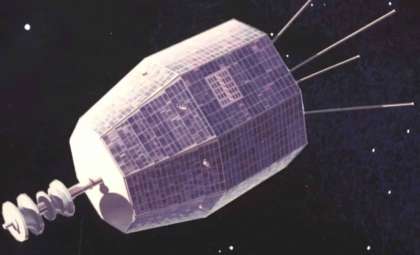
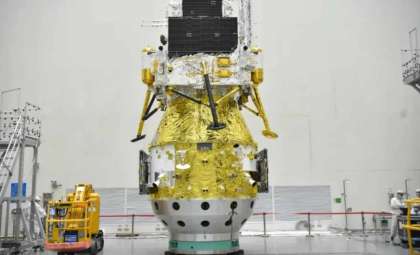
Further analysis traced the signal back to the Relay 2 satellite, a U.S. telecommunications satellite launched in 1964 and retired since 1967. Once instrumental in early space communications, Relay 2 was thought to have long been inactive, making the sudden burst unexpected.
What sparked this intense burst from a seemingly defunct satellite? Astronomers considered if it might be a “zombie satellite” that had somehow reactivated. However, Relay 2’s outdated equipment was incapable of generating such a brief, powerful radio flash, even during its operational years.
The most convincing explanation is an electrostatic discharge: satellites accumulate electric charges from their exposure to charged plasma in space. Periodically, these charges could release a sudden spark, emitting a burst of radio waves.
Could a Micrometeoroid Be Responsible?
Researchers also explored whether a micrometeoroid collision could have caused the burst. Tiny space debris striking satellites can generate sudden bursts or damage, as seen with the James Webb Space Telescope in 2022. Calculations indicated that a micrometeoroid weighing a mere 22 micrograms, traveling over 20 kilometers per second, might have triggered the event. Yet, this scenario was assessed to have only about a 1% chance of occurrence.
Though the precise origin of the flash remains unresolved, this discovery sheds light on unexpected sources of radio emissions and highlights the importance of tracking space debris. It reveals that even long-dormant satellites could sporadically produce radio bursts.
- Categories:
- News



0 comments
Sign in to Comment