
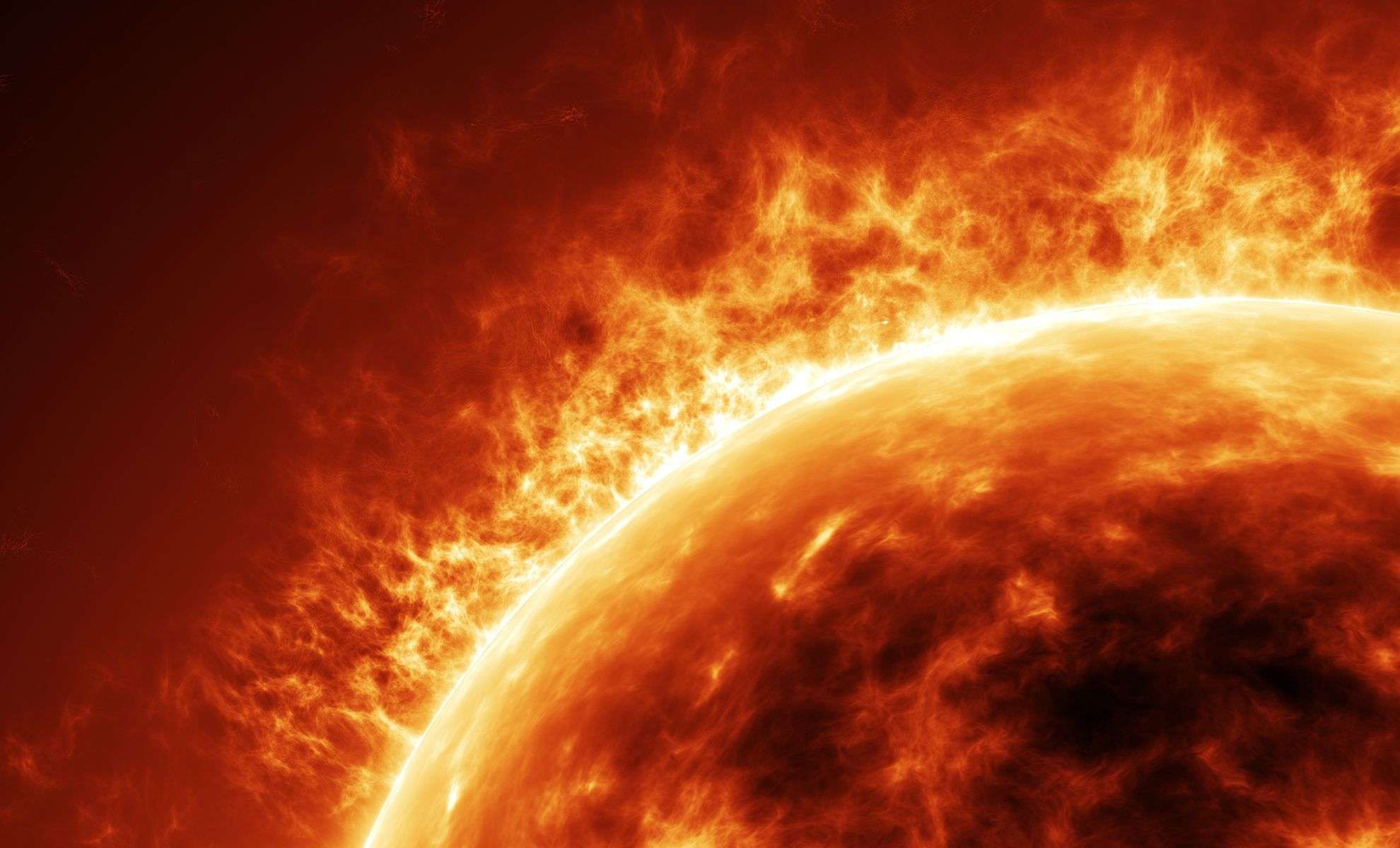
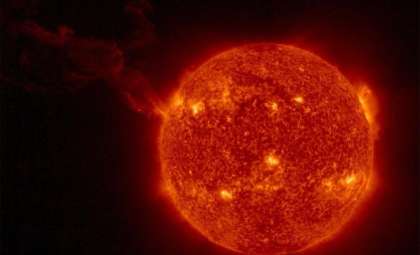
For many years, scientists have puzzled over a striking solar phenomenon: the Sun’s outer layer, known as the corona, is inexplicably much hotter than its surface. The visible surface, the photosphere, has temperatures around 10,000°F (5,500°C), yet the corona soars to several million degrees. It’s akin to wondering why the flames are cooler than the surrounding air. A revolutionary finding by the Daniel K. Inouye Solar Telescope (DKIST) in Hawaii is bringing us closer to answering this longstanding question.
Researchers have now identified magnetic waves, referred to as Alfvén waves, through DKIST’s advanced instruments—findings now published in Nature Astronomy—which may be fundamental to explaining this extreme heating.
The Long-Sought Alfvén Waves Detected
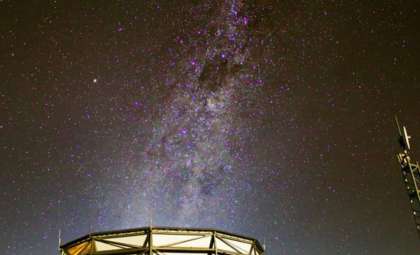
Alfvén waves were theoretically proposed in 1942 by Swedish physicist Hannes Alfvén as drivers of the mysterious behavior of the Sun’s corona. Despite decades of effort, these waves eluded direct observation—technological limitations prevented their detection until now. With its 4-meter mirror and exceptional precision, DKIST is the world’s largest ground-based solar observatory.

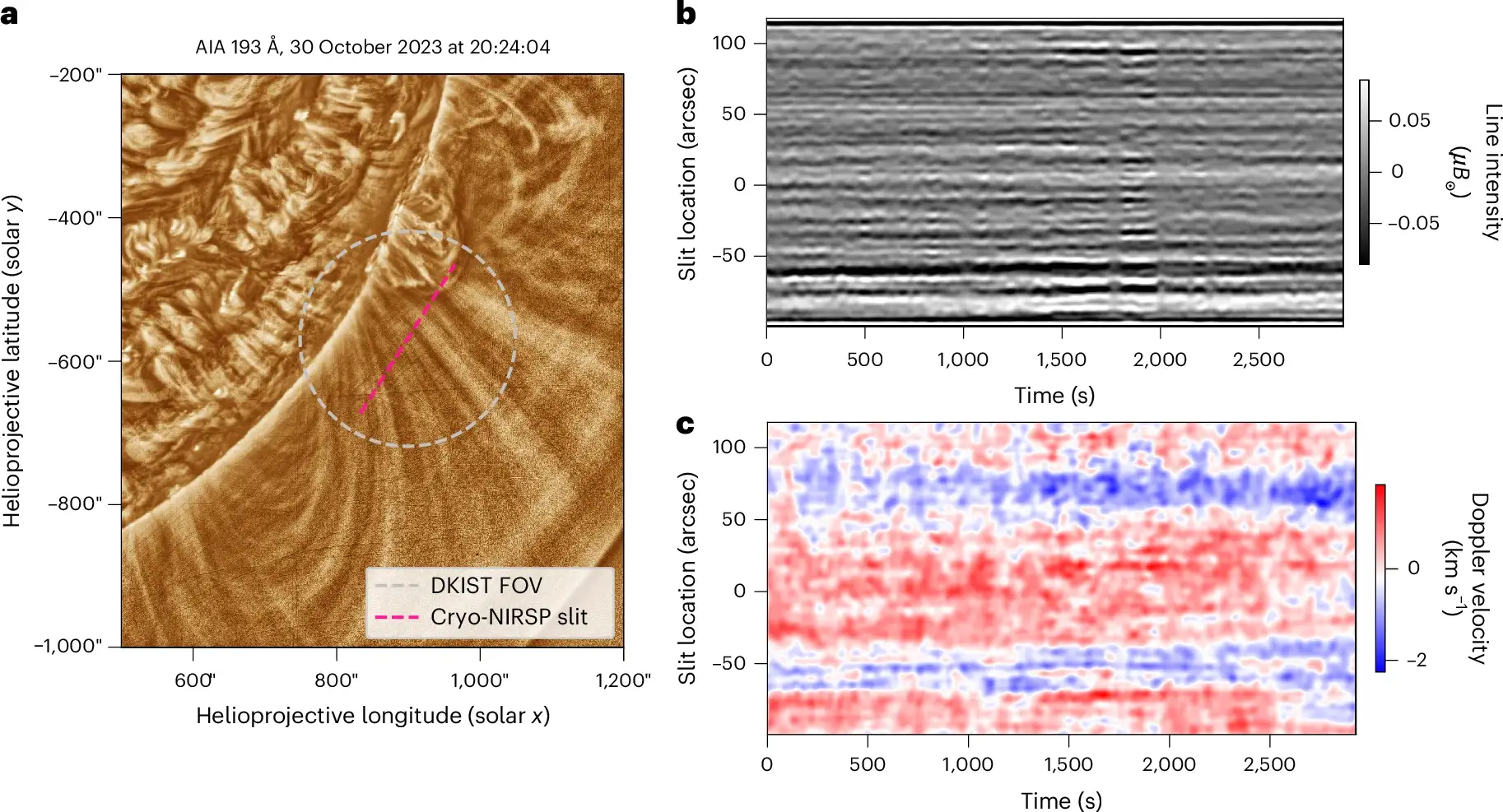
Solar physicist Richard Morton, who spearheads this research, explains that DKIST’s Cryogenic Near Infrared Spectropolarimeter (Cryo-NIRSP) has made it possible to capture these twisting magnetic waves within the corona.
Morton emphasizes that these Alfvén waves are consistently present and carry “a significant amount of energy,” which could be powering the corona’s intense temperatures.
“Our research confirms that the Alfvén waves are present and carry a significant amount of energy, potentially making up at least half the required energy for heating the corona,” he added. “However, the exact energy associated with the waves is still challenging to estimate.”
This marks the first definitive proof of Alfvén waves’ existence and their crucial involvement in the Sun’s energetic processes.

Magnetic Reconnection Adds to the Explanation
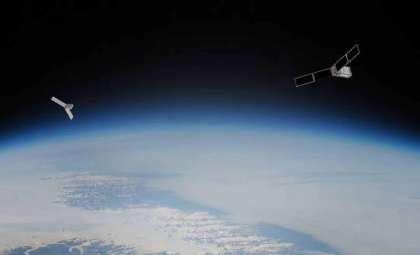
While Alfvén waves play a critical role, they don’t tell the full story. Another key contributor to the Sun’s extreme heat is magnetic reconnection, a process where entangled magnetic fields break and reconnect, releasing vast amounts of energy. This phenomenon has been well documented, with important insights coming from spacecraft like NASA’s Parker Solar Probe and the European Space Agency’s Solar Orbiter.
Findings from Morton’s team, published in a recent study, indicate that both Alfvén waves and magnetic reconnection operate simultaneously in the solar atmosphere. Together, these processes contribute to fueling the Sun’s corona, painting a complex and intertwined picture that surpasses prior understanding. Although Alfvén waves appear to contribute significantly to the heating, quantifying their precise energy remains a challenge. Both phenomena seem to interact continuously throughout the corona.
Impacts on Solar Winds and Space Weather Forecasting
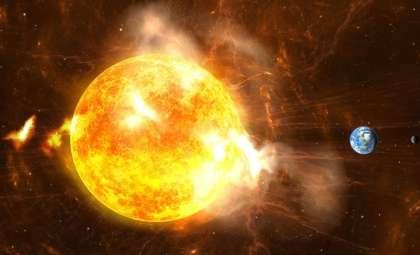
Understanding the mechanisms heating the Sun’s corona also enhances our knowledge of solar winds, which influence space weather conditions impactful to Earth’s satellites, power infrastructure, and communication systems. This research further holds the promise to unlock the behaviors of other stars, refining predictions of solar flares and coronal mass ejections, which are critical for preparing for space weather disturbances.
These transformative results from DKIST represent a pivotal advance in solar physics. As studies continue, these insights are poised to deepen our grasp of stellar phenomena and influence fields stretching from space exploration to technological innovation on Earth.
- Categories:
- Space






0 comments
Sign in to Comment