
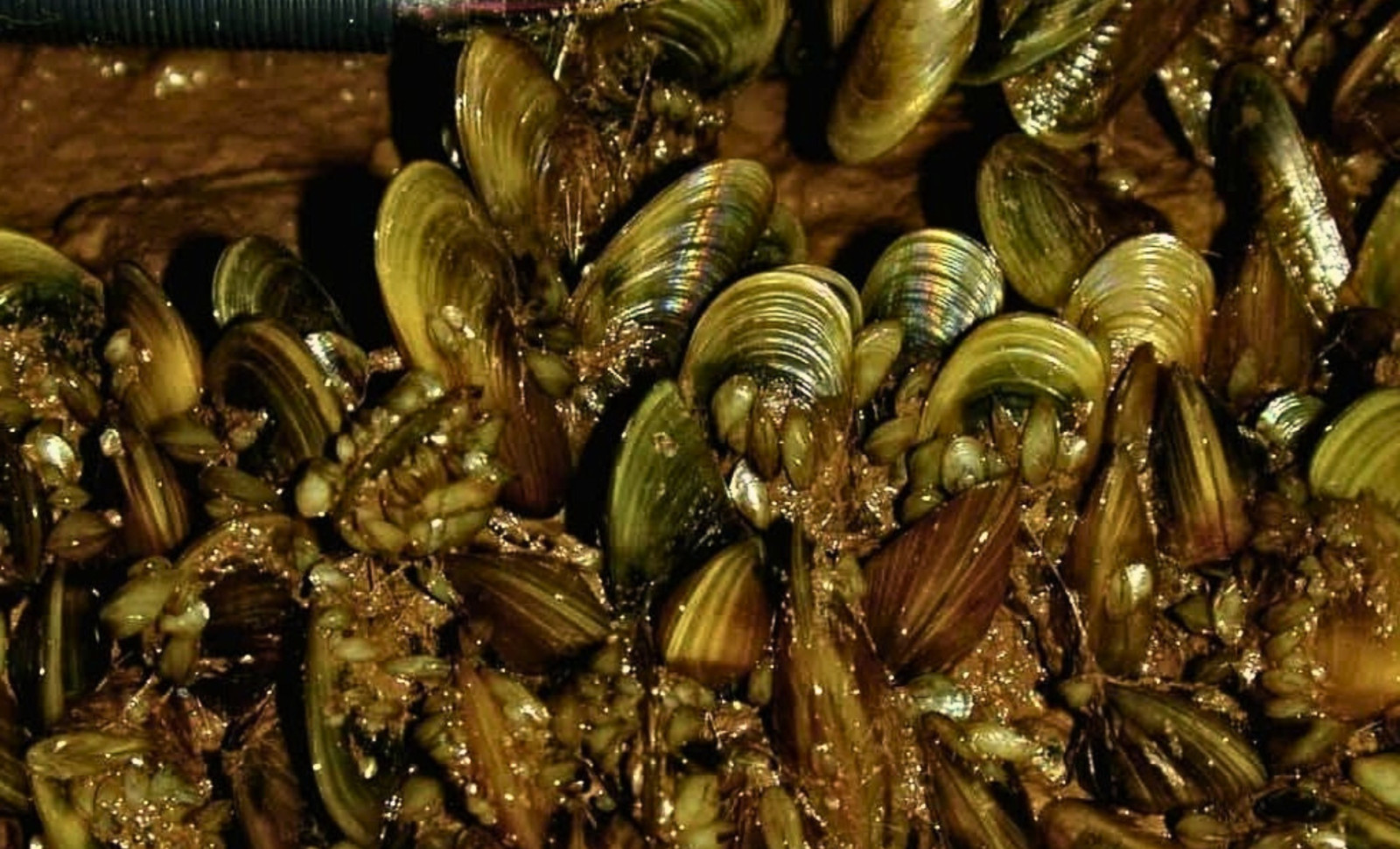
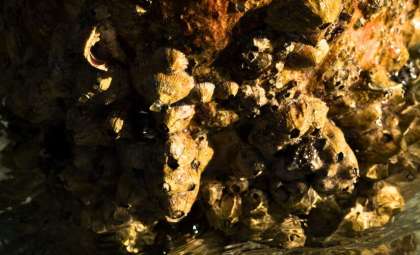
A tiny mussel, no larger than a thumbnail, was discovered attached to a floating object near the Port of Stockton before October 2024. Genetic testing later identified it as the invasive golden mussel, marking its first appearance in California. Since then, sightings have multiplied rapidly, raising alarms throughout the state.
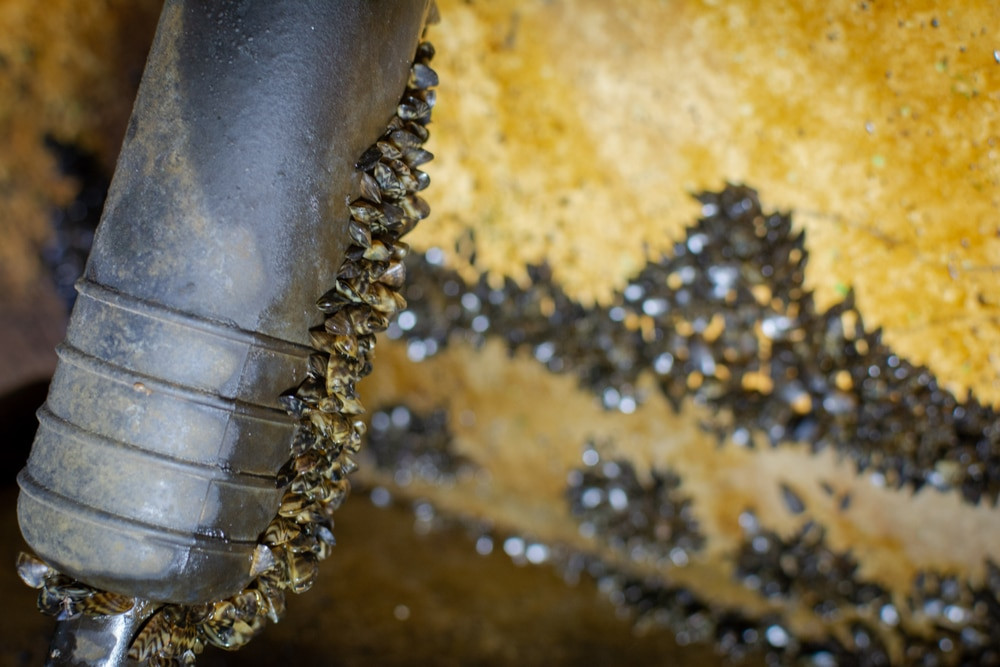
Water resource managers are bracing for the challenge ahead. They’ve observed how zebra and quagga mussels have aggressively expanded throughout the western U.S., causing damage that exceeds $1 billion annually by clogging pipes, fouling pumps, and disrupting services that supply millions with drinking water and electricity. The golden mussel, native to South America, seems to spread even more swiftly than those prior invaders.
The biggest concern isn’t the mussels visible to inspectors—it’s the unseen larvae hitching rides inside ballast tanks on recreational boats that travel between lakes unchecked. In response, the Bureau of Reclamation launched a competition in February 2026, offering prizes up to $200,000 for innovations that tackle this specific vector.

Elusive Ballast Tanks Represent a Critical Risk
Ballast compartments are built-in tanks on boats designed to stabilize them by filling and emptying with water. Although appearing dry, these compartments retain small pockets of water within hoses and tunnels inaccessible during routine inspections. Even minute amounts are enough to transport mussel larvae across the state, enabling new infestations in previously unaffected water bodies.
Current inspection protocols catch many threats but rely heavily on trained personnel, special equipment, and time-intensive procedures. The flood of boats during peak summer frequently overwhelms inspection stations, allowing many vessels to slip through undetected.
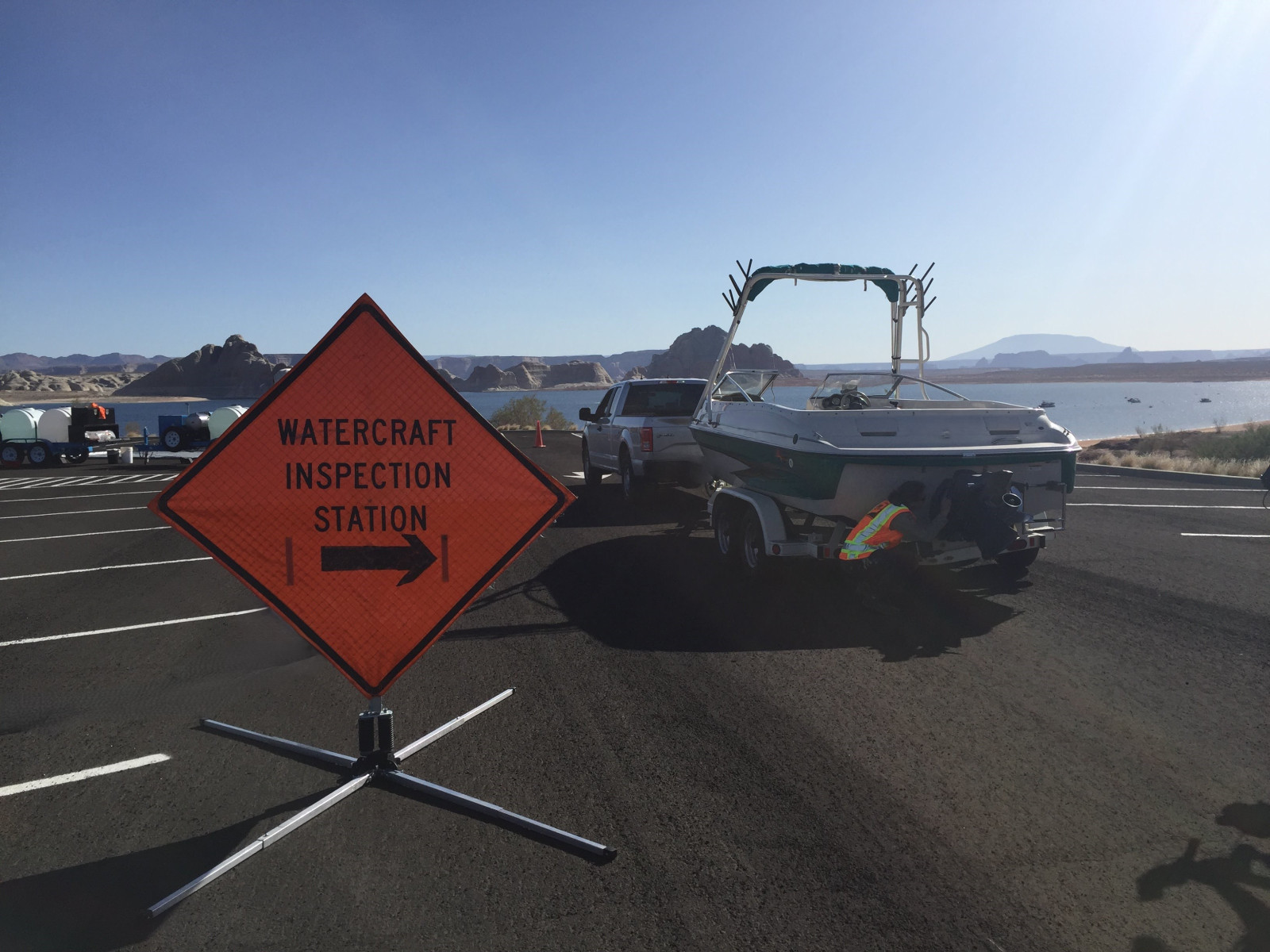
This funding initiative, known as the Halt the Hitchhiker challenge, aims to identify technology that can eliminate, block, or neutralize invasive mussels within ballast systems without causing harm to boats, users, or the environment.
U.S. Geological Survey findings underscore that investing in early prevention yields long-term financial benefits far surpassing the cost of treatment. Once mussels establish inside water infrastructure, managing them becomes an ongoing and costly burden.
Early Detection Lags Behind Mussel Growth
Following the initial discovery near Stockton, confirmation came independently from both the UC Davis Genomic Variation Laboratory and the California Department of Food and Agriculture’s labs. Further sampling revealed golden mussels at several additional sites. For instance, one water pumping station removed hundreds of mussels ranging from roughly a quarter to nearly an inch in size, indicating an established and unnoticed population.
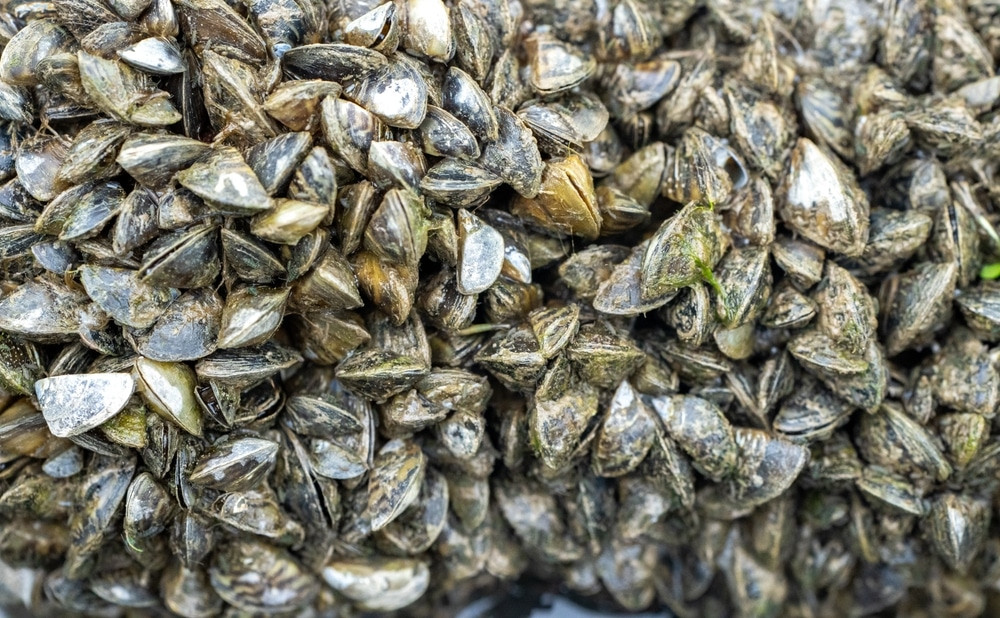
Detecting the mussels early remains difficult. The California Department of Fish and Wildlife’s Shellfish Health Laboratory screens water for microscopic mussel larvae called veligers. These can only be detected with specialized microscopes and PCR DNA analysis. By the time mussels are visible, they’ve already spent weeks growing, feeding, reproducing, and attaching to surfaces.
West Bishop, an expert in aquatic invasive species at SePRO Corporation, warns that the golden mussel threatens water security and agriculture if left uncontrolled. SePRO’s Natrix treatment is one of the few EPA-approved options for managing invasive mollusks, effective across variable water chemistries. However, chemical methods address infestations after they occur. The Halt the Hitchhiker challenge instead aims to prevent transport altogether.
Details of the $200,000 Innovation Contest
The Bureau of Reclamation partnered with innovation consultancy yet2 to administer the competition, welcoming proposals from diverse disciplines including chemistry, materials science, engineering, and biology. However, participation is limited to U.S.-based teams.
The contest includes three phases: Phase 1 requests concept proposals due by May 29, 2026, with up to six awards of $25,000 each. Phase 2 involves virtual presentations where up to three winners can earn $50,000 apiece.
In Phase 3, teams advance to prototype creation and laboratory testing, with prizes of $125,000 for first place, $75,000 for second, and $50,000 for third. A contender successfully passing through all phases could earn a cumulative $200,000, with total distributed prizes potentially reaching $550,000 if multiple winners advance in each stage.
Urgency at California's Key Water Sites
While the challenge invites nationwide participation, pressure is intense in California. Michael Burke, a spokesperson closely involved, explains that efforts coordinate with the California Department of Fish and Wildlife to prevent golden mussels from infesting major recreational water bodies like Shasta Lake, where boats frequently transport between multiple lakes over short periods.
Boat owners are still urged to thoroughly clean their hulls, drain all accessible compartments, and let boats dry before moving to new waters. These steps mitigate risk but don’t eliminate hidden threats inside ballast tanks. Innovators have until May 29, 2026, to submit ideas for the Halt the Hitchhiker challenge.
- Categories:
- News





0 comments
Sign in to Comment