
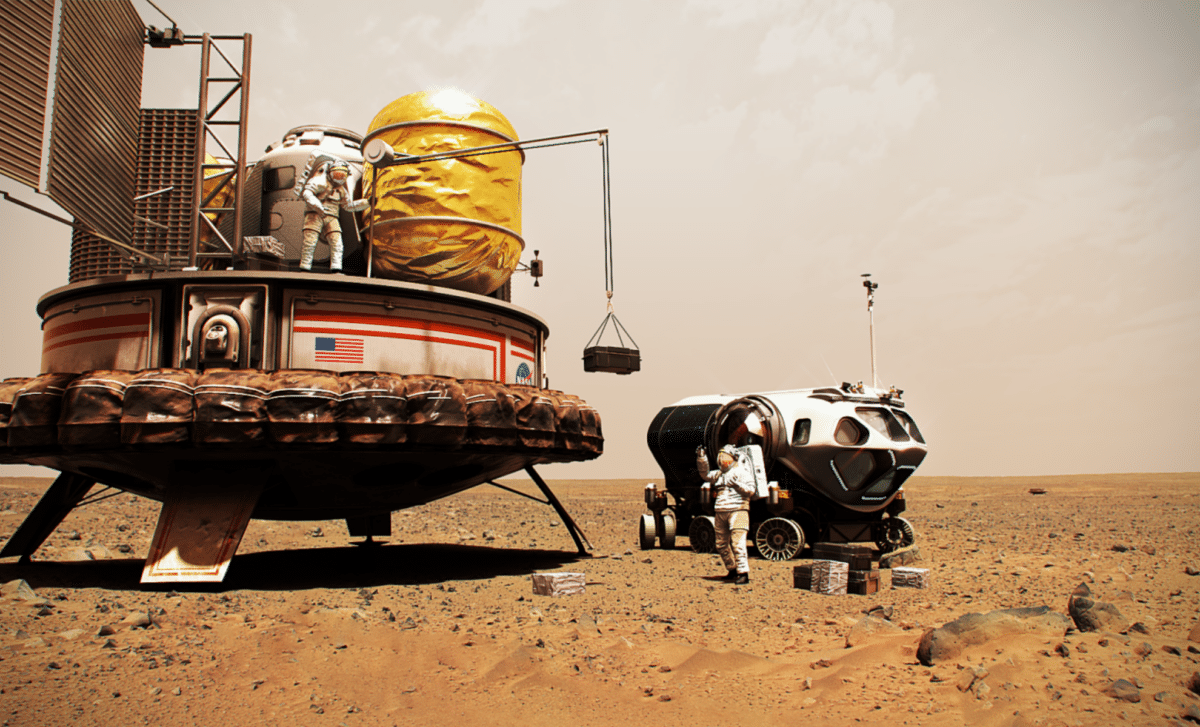
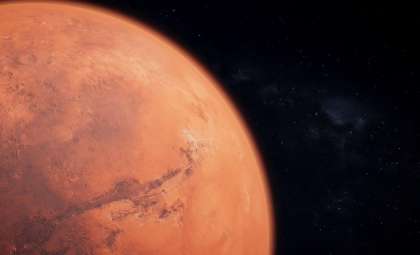
NASA is accelerating efforts to send astronauts to Mars, targeting human missions within the next couple of decades. Focusing on cutting-edge technology, sustainable living solutions, and thorough exploration of the Red Planet, NASA aims to overcome significant challenges to accomplish this milestone by the 2030s. This article delves into the necessary preparations, the obstacles ahead, and the innovations driving NASA’s path to Mars.
NASA’s Mars Endeavor: Charting the Course for Human Spaceflight
The goal of dispatching crewed missions to Mars ranks among the most daring undertakings in space exploration history. Although the target timeframe is the 2030s, substantial groundwork remains before humans set foot on Martian soil. Key challenges include guaranteeing astronaut safety, designing sustainable habitats, and mastering navigation within Mars’s unforgiving landscape.
The Mars mission builds upon the Artemis program’s foundation, which is dedicated to returning astronauts to the Moon. This lunar mission acts as a critical proving ground, enabling NASA to refine the technologies and expertise essential for venturing further into deep space.

Projecting NASA’s Mars Mission Timeline
NASA’s plan for Mars will unfold over the upcoming decade and beyond, involving far more than launching a spacecraft. The timeline hinges heavily on advances in propulsion technology to efficiently and safely ferry astronauts across millions of miles. The inaugural phase of NASA’s Mars initiative focuses on creating critical infrastructure such as launch vehicles, spacecraft, and life-support environments.
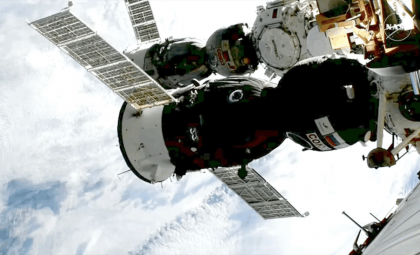
The spacecraft intended for Mars voyages must support long-duration missions, tackling challenges related to life support, radiation shielding, and fuel efficiency. Although numerous milestones remain before a crewed landing, NASA remains confident that technological innovation coupled with meticulous planning will enable this historic achievement.
Using the Moon as a Stepping Stone to Mars
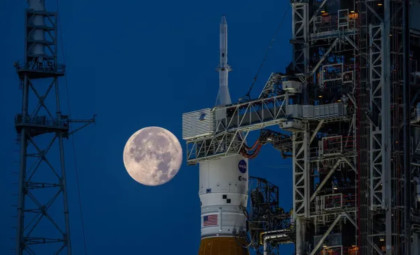
Prior to Mars expeditions, NASA’s Artemis missions will return humans to the Moon. Lunar exploration is vital to developing and testing the technologies required for the harsh conditions of Mars. Because of its proximity to Earth, the Moon offers an optimal location for trials, allowing scientists to study and solve problems in a manageable setting before venturing further.
The Artemis project aims to land the first woman and the next man on the lunar surface by 2025, establishing a lasting human foothold. This initiative will enhance NASA’s experience with deep space operations, laying groundwork critical for Mars travel.
Innovations Crucial for Mars Exploration
Reaching Mars safely demands more than rockets; it pushes the boundaries of numerous technologies. NASA is researching advanced propulsion methods such as nuclear thermal propulsion, which could drastically shorten travel time to the Red Planet.
Additionally, NASA is focused on developing life support systems that sustain astronauts for extended missions. These systems must efficiently recycle air, water, and food supplies, while shielding crews from deep space radiation. To maintain energy, solutions like solar panels and compact nuclear reactors are essential for powering habitats and exploration equipment on Mars.
Addressing the Vital Concern of Astronaut Protection
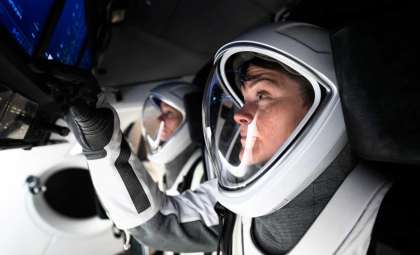
Astronaut wellbeing is paramount for a successful Mars mission. With travel times ranging from six to nine months, crews must endure prolonged exposure to microgravity and cosmic radiation. NASA is advancing protective shielding technology to mitigate health risks caused by space radiation.
The lengthy duration means astronauts must also be self-reliant, capable of managing medical emergencies and performing spacecraft repairs. Developing dependable technologies that protect crew health and autonomy remains a core focus for NASA’s Mars ambitions.
Habitat Development and Sustainable Living on Mars
Upon arrival, Mars explorers will require habitats equipped to support extended human life. NASA is designing living spaces capable of providing oxygen, food, and water while shielding inhabitants from Mars’s extreme temperatures and frequent dust storms.
A promising approach is in-situ resource utilization (ISRU), which enables astronauts to extract vital resources such as water and oxygen directly from the Martian environment. This strategy reduces dependence on Earth-supplied provisions, enhancing mission sustainability. Furthermore, habitats will be designed to expand over time as crew numbers increase and mission activities grow.
- Categories:
- Space





0 comments
Sign in to Comment