
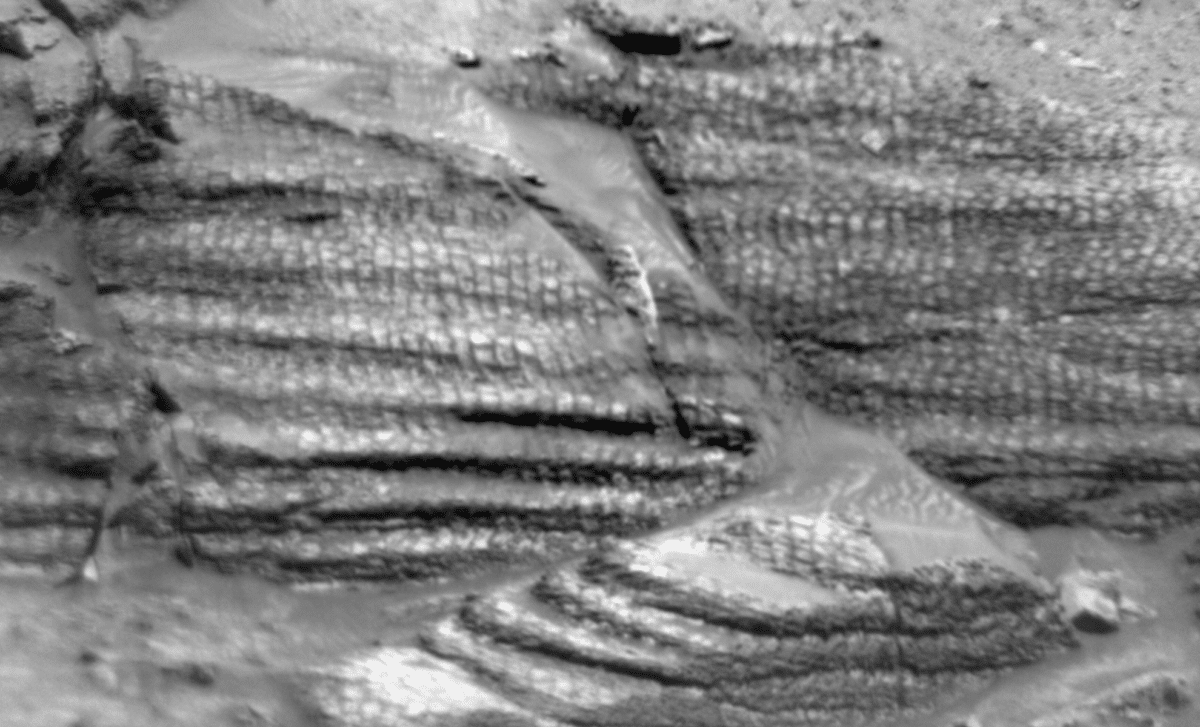
NASA’s Curiosity rover has settled into one of the most secure and stable positions throughout its Mars expedition. This important achievement allows researchers to perform detailed studies on the Martian surface's geological characteristics. Named “Laguna del Bayo,” this new location provides an ideal base for Curiosity to investigate Mars' bedrock with exceptional precision, bringing scientists closer to uncovering the planet’s ancient secrets.
Why This Spot Is Crucial for Exploration
Curiosity’s recent maneuver marks more than just a minor relocation; it represents a strategic milestone promising significant advances in Martian research. After navigating difficult terrain, the rover has now settled in an area with minimal instability risks, ensuring the safety and optimal operation of key instruments such as the APXS.
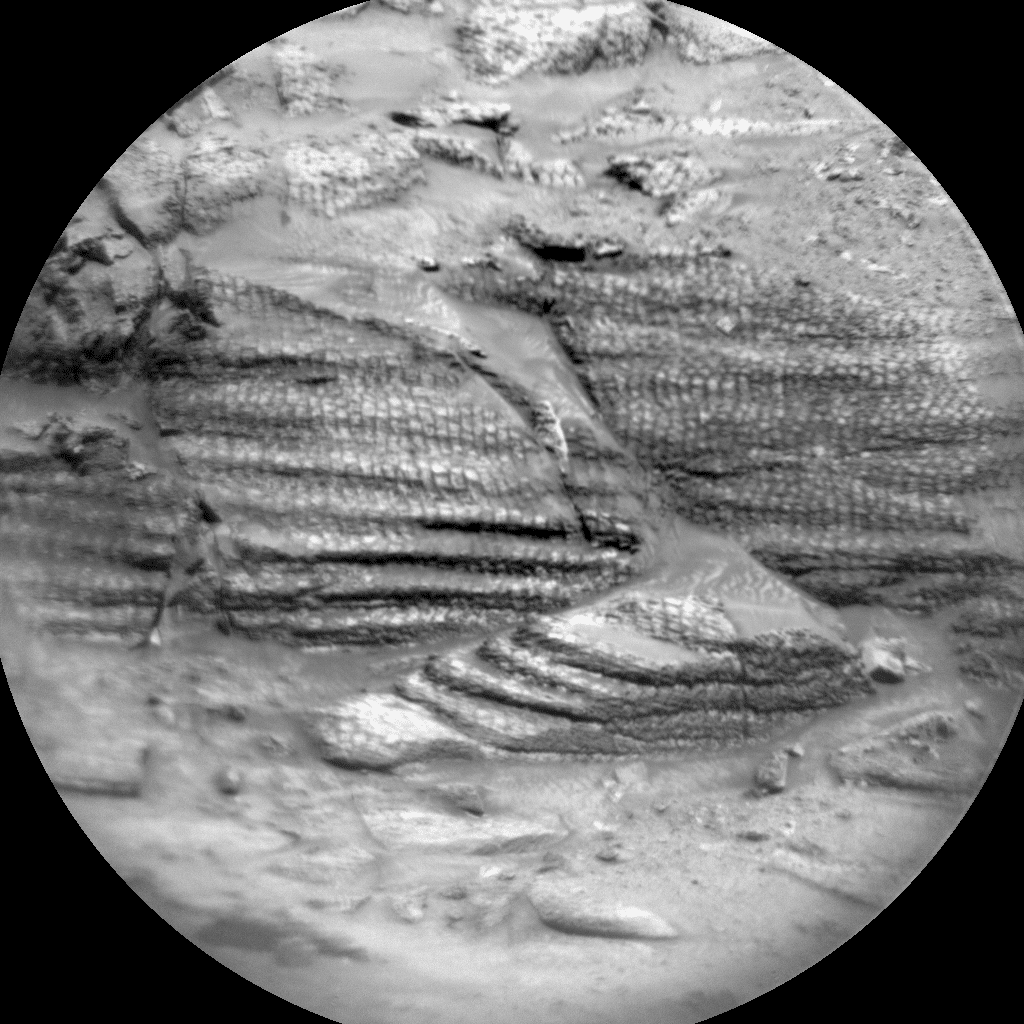
The significance of this site comes from the geological structures in the bedrock below, particularly the suspected “boxwork” formations that the mission team has been investigating closely. Confirmation of these features could unlock critical insights into Mars’ environmental history and the potential for ancient microbial life.

Securing a firm position to deploy its scientific tools enables Curiosity to undertake a series of vital chemical analyses of local rocks. These efforts will allow scientists to monitor geological variations in Mars’ crust and better understand the planet’s evolution over millions of years.
Scientific Priorities at the New Location
Curiosity’s current operations focus on carefully planned observations of the rock named “Tarija,” according to NASA’s latest blog update. With APXS positioned on this target, the rover collects detailed compositional data, providing insights into Martian geology. Combined with ChemCam’s laser spectroscopy, the team analyzes the mineral makeup of the rock with outstanding detail.
In addition, the rover’s Mastcam captures high-resolution images of the nearby landscape, including linear ridges to the north and a possible fracture zone directly ahead. These visuals help scientists contextualize the regional geology, key to understanding the planet’s past.
Curiosity continues studying Martian atmospheric conditions by obtaining Mastcam tau measurements, helping researchers estimate dust levels in the air. This data is vital for predicting environmental impacts on future missions.
A 54-Meter Journey Toward New Scientific Targets
As this phase of Curiosity’s mission progresses, the team has scheduled a 54-meter drive (roughly 177 feet) to a fresh point of interest. Upon reaching this spot, the rover will conduct further untargeted scientific studies, including imaging the terrain beneath its wheels and photographing possible rock targets for ChemCam’s autonomous analysis.
Additionally, Curiosity will keep monitoring Mars’ atmosphere through a dust-devil survey and suprahorizon video recordings to gather data on the planet’s dynamic weather patterns. These observations are not only critical for current research but also provide essential information for planning upcoming Mars missions.
Combining these diverse scientific investigations, Curiosity continues to yield invaluable insights into the Martian environment, spanning its geological structure to atmospheric activity, thereby supporting the groundwork for future human exploration.
- Categories:
- News








0 comments
Sign in to Comment