
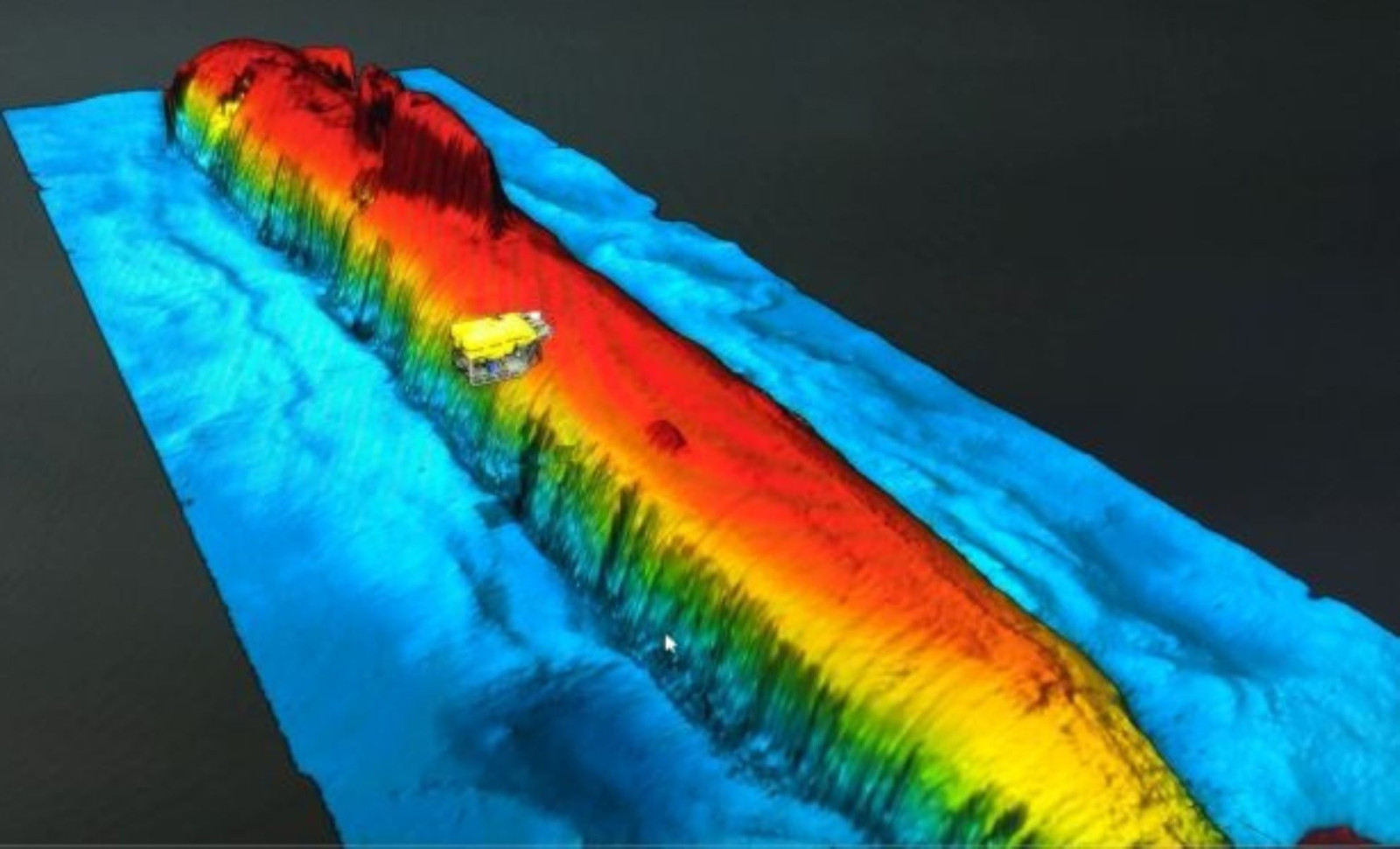
More than three decades after it went down, a Soviet nuclear submarine continues to leak radioactive substances deep in the ocean. Scientists have now detected visible plumes from these leaks, although the environmental effects appear to be limited so far.
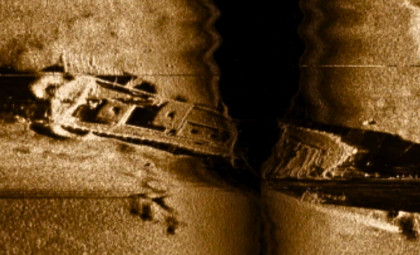
The K-278 Komsomolets sank in April 1989 following a fire onboard. It was equipped with a nuclear reactor and two nuclear torpedoes when it descended to a depth of 1,680 meters. Due to the potential danger, the wreck site has been under continuous observation.
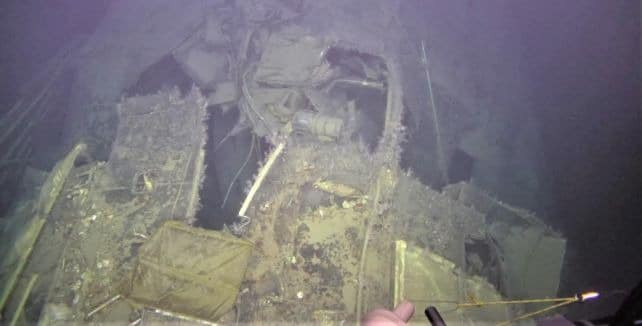
Initial examinations uncovered substantial damage, including a fractured hull that enabled seawater to infiltrate parts of the submarine. A 1994 repair sealed off the torpedo compartment. Norwegian surveillance has not detected any leakage of weapons-grade plutonium from these torpedoes since then.

Radioactive Plumes Captured by Underwater Vehicle
In 2019, researchers deployed the remotely operated vehicle Ægir 6000 for closer inspection. The findings, published in PNAS, revealed intermittent leaks at specific points on the submarine’s hull instead of a continuous release.
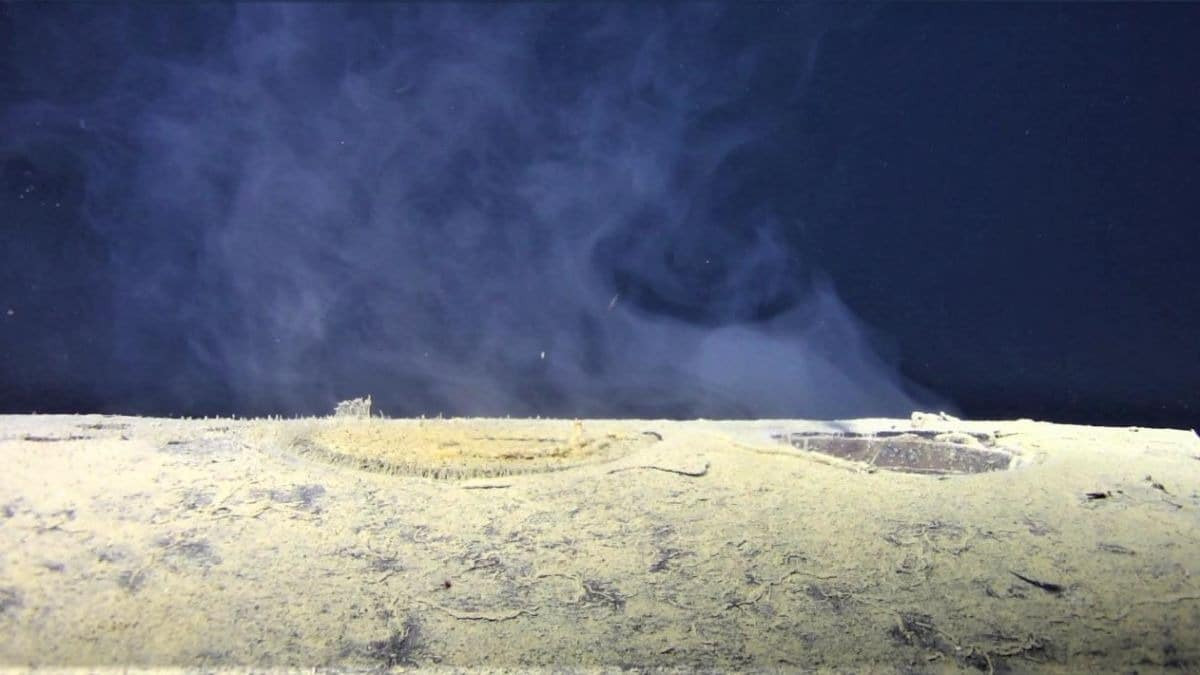
The footage depicted plumes extending into the surrounding seawater, primarily near a ventilation pipe and the reactor area. Samples from these plumes contained radioactive elements such as strontium, cesium, uranium, and plutonium.
The researchers reported cesium and strontium concentrations adjacent to the wreck reaching levels up to 800,000 and 400,000 times above normal for the Norwegian Sea. The presence of uranium and plutonium indicates that the nuclear fuel within the reactor is gradually deteriorating.
Rapid Decline in Contamination Beyond Immediate Vicinity
The study detailed that radiation levels drop sharply within just a few meters of the wreck due to the swift dilution by seawater. Marine organisms colonizing the submarine, such as sponges, corals, and anemones, showed mildly elevated cesium radioactivity.
However, the team found no visible deformities or clear damage signs in these species. Sediment samples taken from the surrounding seafloor exhibited minimal contamination. These findings indicate that even after decades, the radioactive impact remains confined to a localized area.
Ongoing Changes Expected in the Submarine’s Condition
While the torpedo compartment appears relatively stable, the reactor section presents a different challenge. The study authors noted that leaks occur intermittently due to continuing corrosion within the damaged reactor.
The submarine’s structural integrity will continue to degrade over time at the ocean's depth. Scientists view the Komsomolets as a valuable case study for understanding the fate of nuclear materials submerged underwater for extended periods.
“Komsomolets provides a unique opportunity to understand the risks and consequences of releases from other sunken or dumped reactors in the Arctic as well as risks from any further accidents involving nuclear powered vessels and any other type of nuclear technologies used at sea,” the authors wrote.
The researchers emphasize that ongoing observation is essential to monitor developments and to better anticipate future risks.
“Further investigations should be carried out to determine the mechanisms behind the observed releases, the corrosion processes that are occurring within the reactor, and the implications of these for further releases and the fate of the remaining nuclear material in the reactor,” they added.
- Categories:
- News











0 comments
Sign in to Comment