
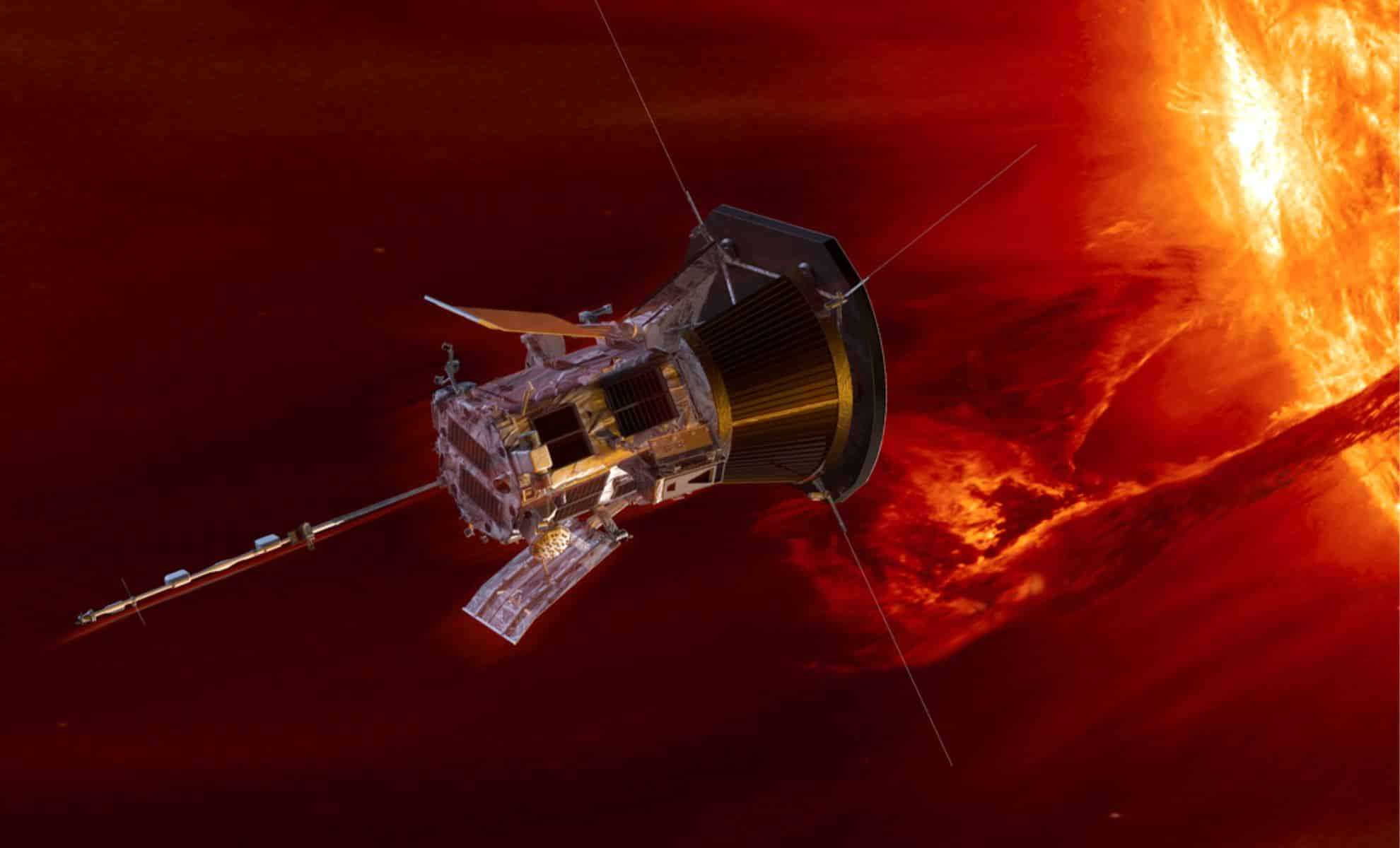
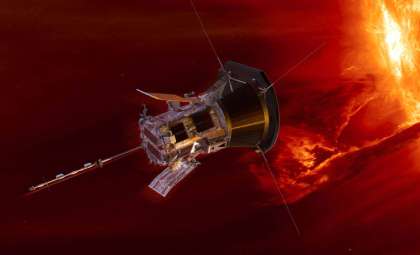
For more than seven decades, researchers have grappled with deciphering how the Sun’s magnetic fields trigger powerful solar storms that can disrupt technological systems on Earth. Since its launch in 2018, NASA’s Parker Solar Probe—a state-of-the-art spacecraft—has been observing the Sun up close, ultimately delivering data that vindicate a long-held theory on magnetic reconnection, the explosive process that fuels solar flares and coronal mass ejections. This significant finding was recently published in Nature Astronomy.
Decoding Magnetic Reconnection at the Solar Surface
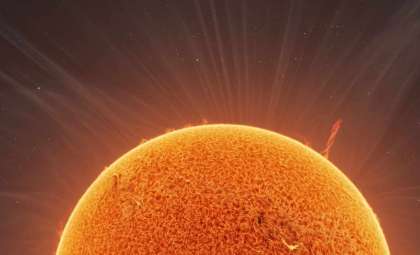
Magnetic reconnection is a phenomenon where magnetic field lines in the Sun's corona break and realign into new patterns, unleashing tremendous energy that drives solar flares and other space weather phenomena. Though the concept has existed for decades, confirming it required technology capable of capturing these events up close. NASA’s Parker Solar Probe provided the first direct measurements by venturing close enough to capture the process in action.
“Reconnection happens across a range of scales and environments—from the Sun’s atmosphere to Earth's magnetosphere, even in lab plasmas and cosmic settings,” explained Dr. Ritesh Patel, the study's lead author and a scientist at the Southwest Research Institute (SwRI). “While indirect evidence of reconnection in the solar corona has been observed through imaging since the 1990s, obtaining in-situ data was limited to Earth's magnetosphere until missions like NASA’s Magnetospheric Multiscale (MMS). Data from the Parker Solar Probe opened new doors by allowing us to detect this phenomenon directly in the Sun’s corona.” This highlights the probe’s unprecedented capability to study solar dynamics in detail.

Confirming a Long-Standing Solar Theory
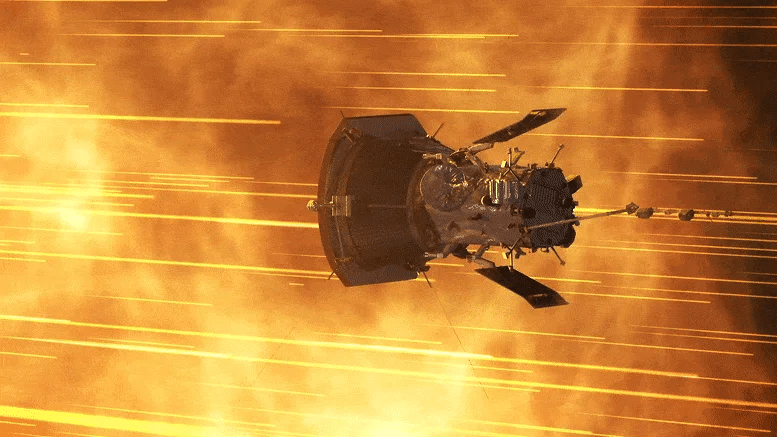
Prior to data from the Parker Solar Probe, much of the evidence for magnetic reconnection was indirect. However, the probe’s close solar encounters enabled real-time capture of plasma dynamics and magnetic field shifts during solar eruptions. In a pivotal September 2022 flyby, the spacecraft traversed an active reconnection region, confirming the magnetic transformations responsible for generating solar flares. These observations have allowed scientists to validate theoretical models developed over the past 70 years.
“Having studied magnetic reconnection theory for nearly seven decades, we had expectations about how various parameters would behave,” said Patel. “The data from this close encounter verify simulation models that, until now, included some uncertainties. This new information will refine future models and help us interpret measurements from other events observed by the Parker Solar Probe.” This achievement sets the stage for advancements in forecasting solar activity.
Enhancing Solar Storm Predictions to Safeguard Earth
The revelations from the Parker Solar Probe extend far beyond solar science; they play a crucial role in protecting Earth’s technologies. Solar flares and coronal mass ejections can severely disrupt satellites, power systems, and navigation networks. By unraveling the mechanisms of magnetic reconnection on the Sun, scientists can improve models that predict space weather, enhancing preparedness for solar storm impacts.
“Our ongoing research reveals processes at multiple scales, illuminating how energy flows and particles accelerate,” Patel added. “Better understanding of these mechanisms near the Sun is key to predicting solar eruptions and shielding Earth’s near-space environment.” These insights not only broaden our comprehension of solar phenomena but also contribute to more precise forecasting of potential threats to our planet.
- Categories:
- News




0 comments
Sign in to Comment