
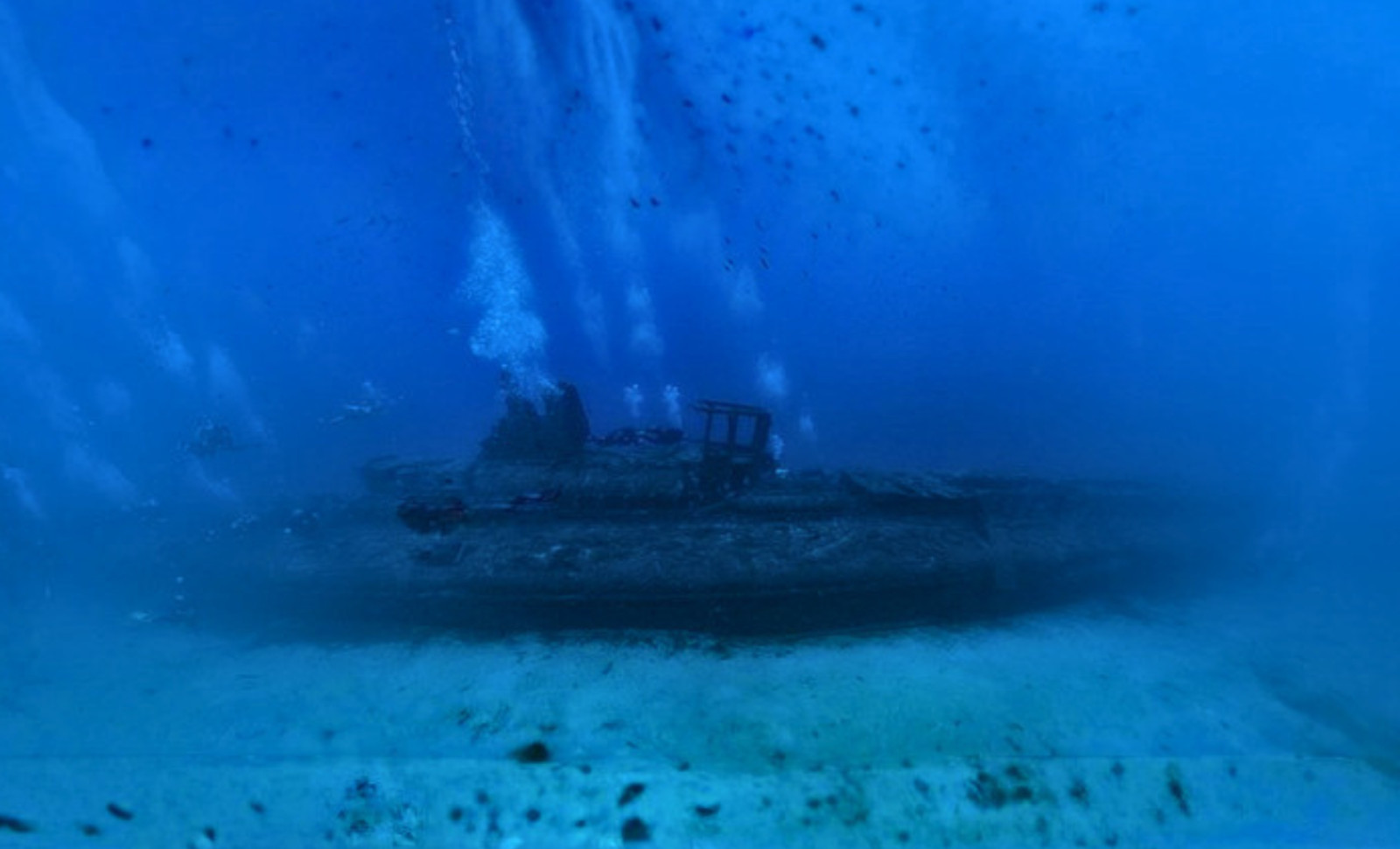
Long after the Cold War's conclusion, a hidden environmental threat endures on the floor of the Barents Sea. The Soviet nuclear submarine Komsomolets (K-159), which sank in 2003 while being towed for scrapping, is now suffering from progressive structural deterioration. Recent monitoring efforts, detailed by Phys.org, have revealed that the submarine is no longer completely sealed, as radioactive substances have been detected in sediment samples collected near the wreck.
This ongoing issue isn’t a sudden emergency but rather a prolonged challenge that scientists and authorities have observed for years. Unlike immediate hazards like oil spills or toxic discharges, the Komsomolets represents a slow-developing environmental concern spanning decades. For marine researchers, environmental regulators, and communities around Northern Europe, this sunken vessel poses a persistent case necessitating continuous oversight and thorough documentation.
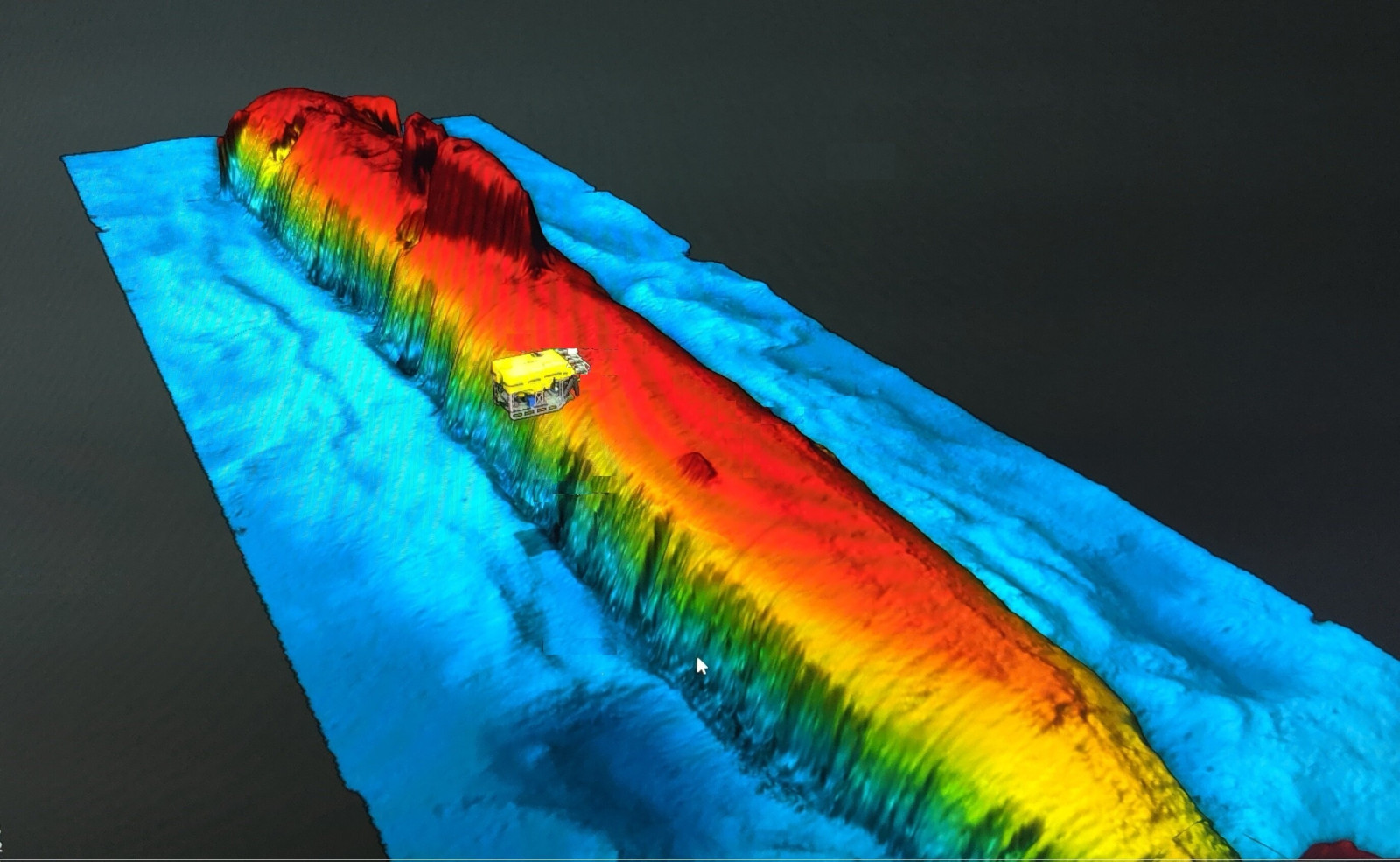
The K-159 falls under a category of recognized underwater hazards that gradually worsen over time. Decisions on whether to remove the wreck or maintain ongoing surveillance could influence how other submerged nuclear vessels are managed in the future.

Unveiling the Depths of the Barents Sea
The K-159, a November-class nuclear-powered attack submarine, was built during the Soviet era with the capacity to carry nuclear-tipped torpedoes. Launched in the early 1960s, it served nearly 30 years before being decommissioned in 1989. Its two nuclear reactors and used nuclear fuel remained on board. The submarine was docked for 14 years awaiting dismantlement, a delay that proved critical when it sank.
In 2003, while being towed from a naval base near Murmansk to a dismantling yard, a fierce storm disrupted the operation. The vessel, kept afloat by temporary flotation devices, began flooding and sank to an estimated depth of 240 meters (787 feet), settling on the seabed with its reactors and fuel intact. Eight crew members lost their lives during the incident, while the remainder were rescued.
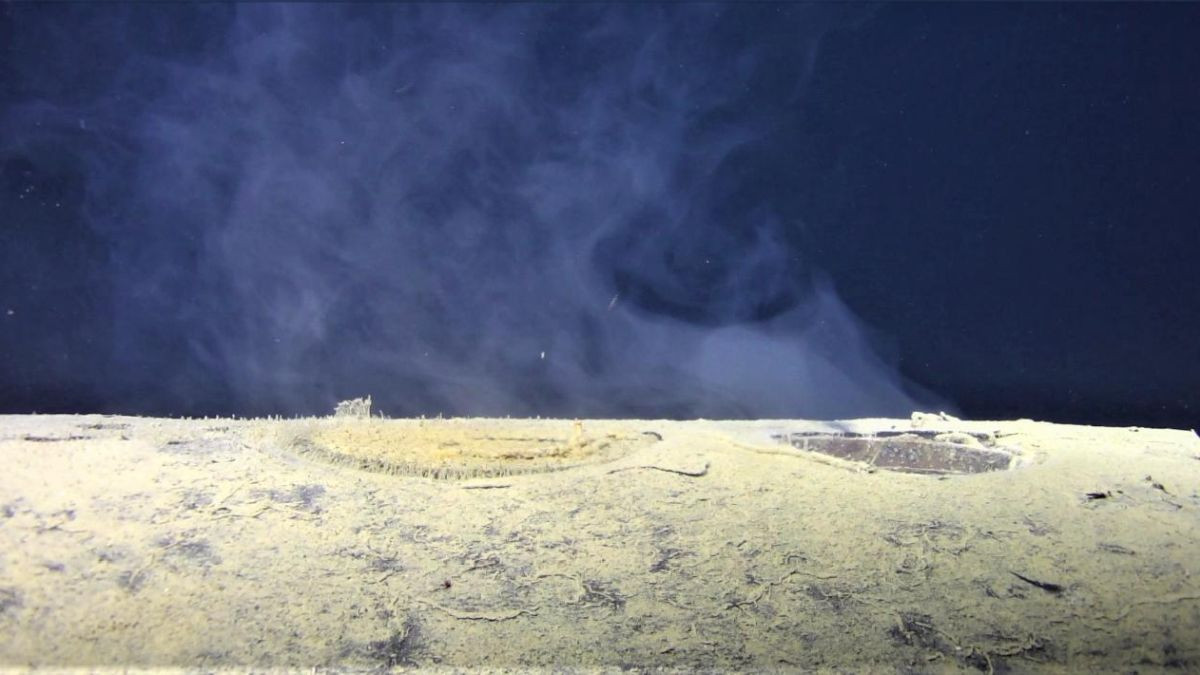
Authorities initially believed that the submarine’s hull and reactor shielding would securely contain the radioactive substances indefinitely. The cold Arctic waters were thought to slow corrosion, and the deep site was expected to isolate the wreck from human contact. However, recent studies challenge these assumptions.
Insights from Recent Studies
Current investigations reveal that while no immediate catastrophic breach has happened, the submerged vessel is releasing radioactivity at a slow but steady rate. Sediment samples collected near the Komsomolets have detected trace amounts of cesium-137, a radioactive isotope resulting from nuclear fission and a common sign of fuel leakage. Detected concentrations remain confined to a small radius around the wreck and are below levels hazardous to human health, confirming that containment is partially compromised.
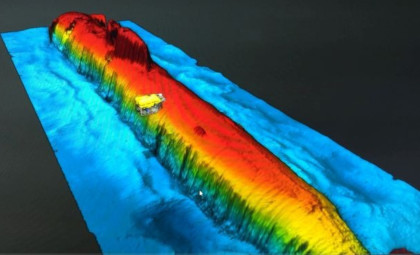
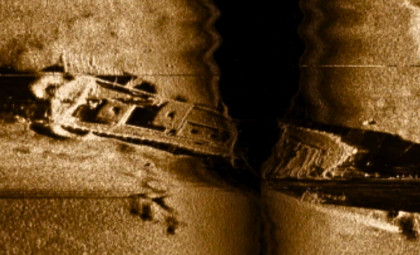
Researchers have also examined the submarine's physical state, observing ongoing deterioration due to exposure to cold, pressurized, and corrosive seawater over many years. Corrosion is particularly pronounced around welds and protective coatings that failed after sinking. According to a PNAS published study, the reactors are defunct since being shut down pre-decommissioning, so there is no risk of a nuclear chain reaction. The primary concern is that ongoing corrosion could eventually expose spent fuel assemblies directly to seawater.
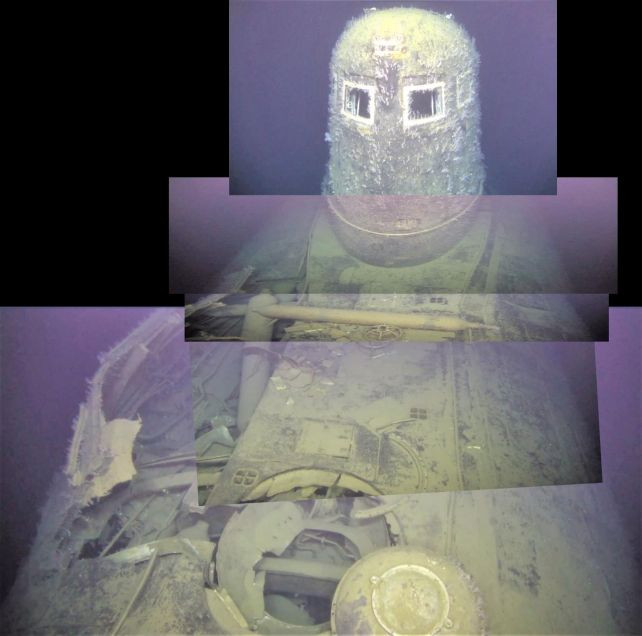
The researchers describe this as an anticipated stage in the lifecycle of submerged nuclear infrastructure. A future release of radioactive particles, if corrosion breaches fuel containers, could impact marine habitats vital to commercial fishing industries. Ongoing monitoring aims to determine if cesium levels remain stable or rise over time.
Current Assessments and Public Safety
Communities in Norway, Russia, and other Barents Sea bordering countries have actively investigated potential health hazards through dedicated monitoring initiatives. Radioactive cesium has only been found very close to the wreck, within a few hundred meters, with no evidence of contamination in affected fish populations or coastal waters. The Barents Sea is a critical fishing area supporting abundant stocks of cod and haddock, fostering continued international interest in the site’s condition.
Russian officials have intermittently debated salvaging the submarine for dismantling. Such an operation would involve raising this corroded, radioactive vessel from the seabed, transporting it, and handling its radioactive fuel—an endeavor fraught with both technical challenges and environmental risks. Given the hull’s degradation over 20 years underwater, lifting attempts risk breaking the structure and causing a sudden discharge of radioactive material.
International partnerships, especially between Russia and Norway through the Joint Norwegian-Russian Commission on Nuclear Safety, have supported joint expeditions to study the wreck. These efforts complement independent national surveillance programs, reflecting a mutual interest in monitoring the submarine’s status. Regular missions involve collecting samples and remotely inspecting the hull.
- Categories:
- News






0 comments
Sign in to Comment