
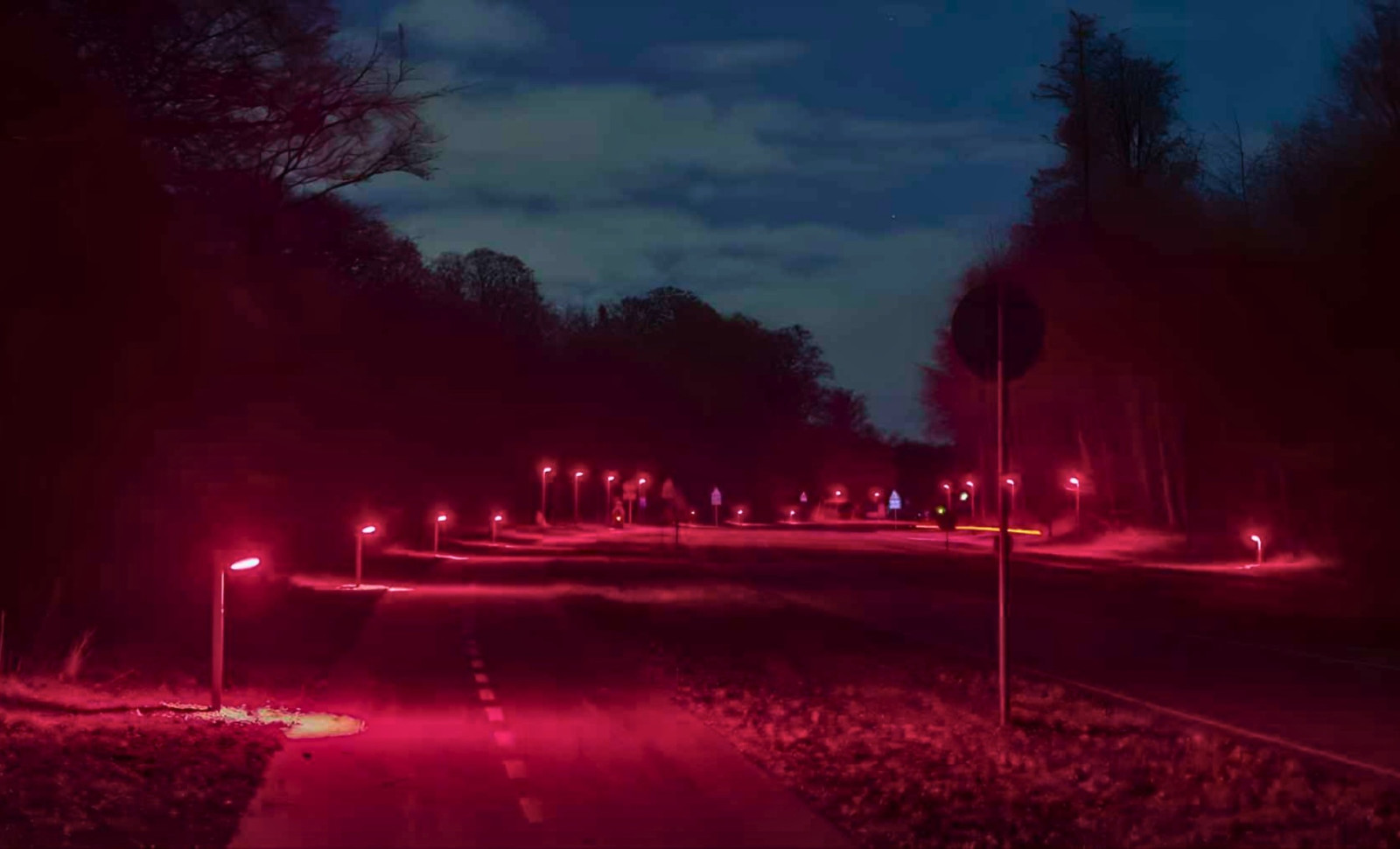
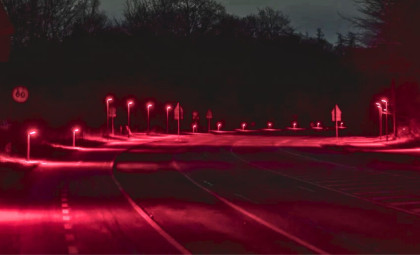
On February 8, 2026, drivers traveling along Frederiksborgvej, a key route within Gladsaxe municipality near Copenhagen, witnessed a surprising alteration in their nighttime environment. Traditional white-blue streetlights were swapped for a vivid red illumination, transforming this stretch of road into a striking contrast amid the city's usual lighting scheme.
This change was implemented with purpose, not for aesthetics. The intense red glow illuminated both the road surface and the surrounding greenery in a focused area where suburban development meets dense woodland. Residents noted the sudden introduction of this lighting, intended specifically to address a localized environmental concern rather than overhaul the city's entire lighting infrastructure.
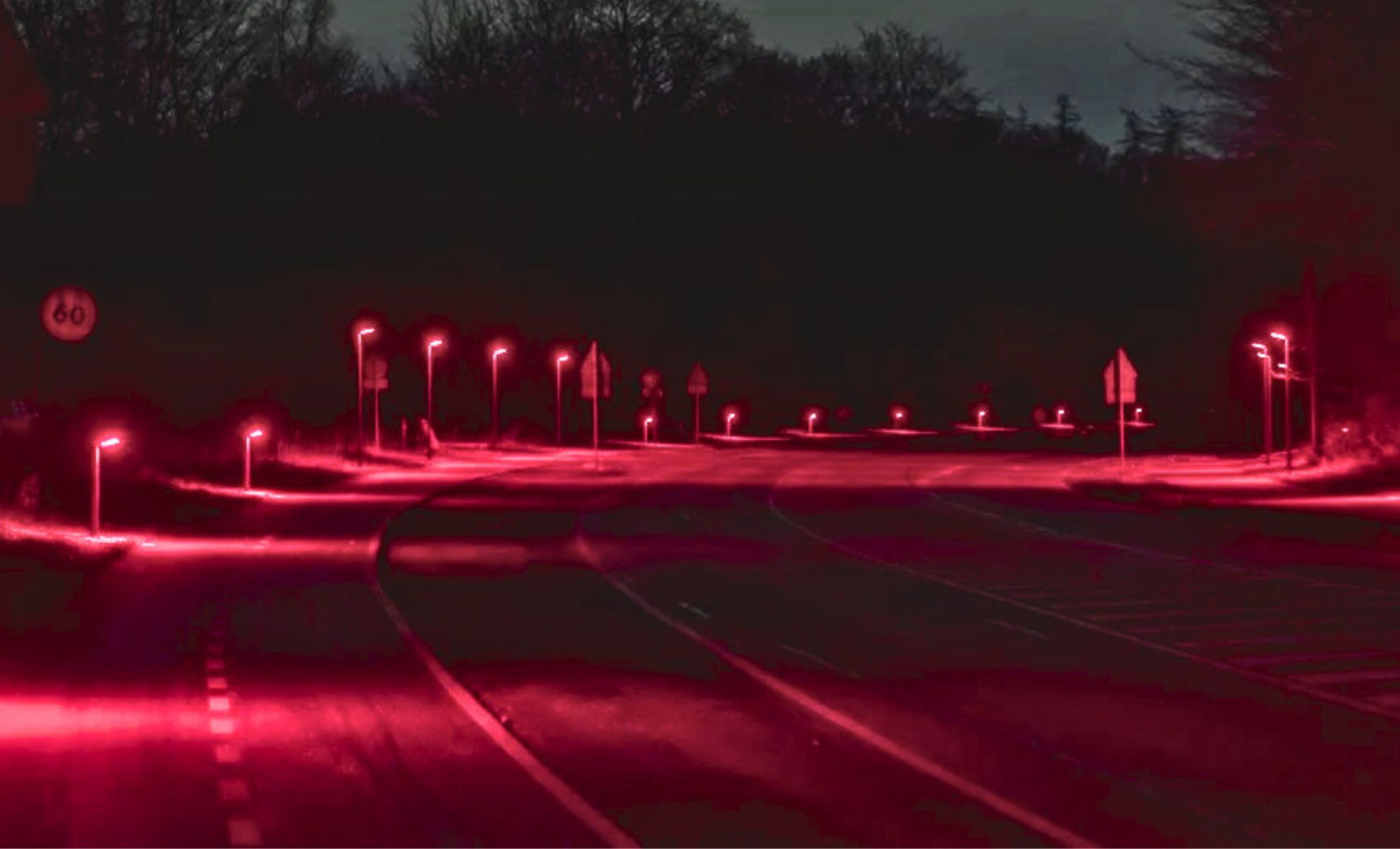
Positioned near a protected bat colony, the newly installed red lights aim to reduce artificial light pollution’s disruptive effect on nocturnal wildlife. By altering the light spectrum, officials sought a balance between maintaining safe driving conditions and preserving natural behaviors, as explained in a statement from Gladsaxe Municipality.

Addressing a Unique Environmental Challenge
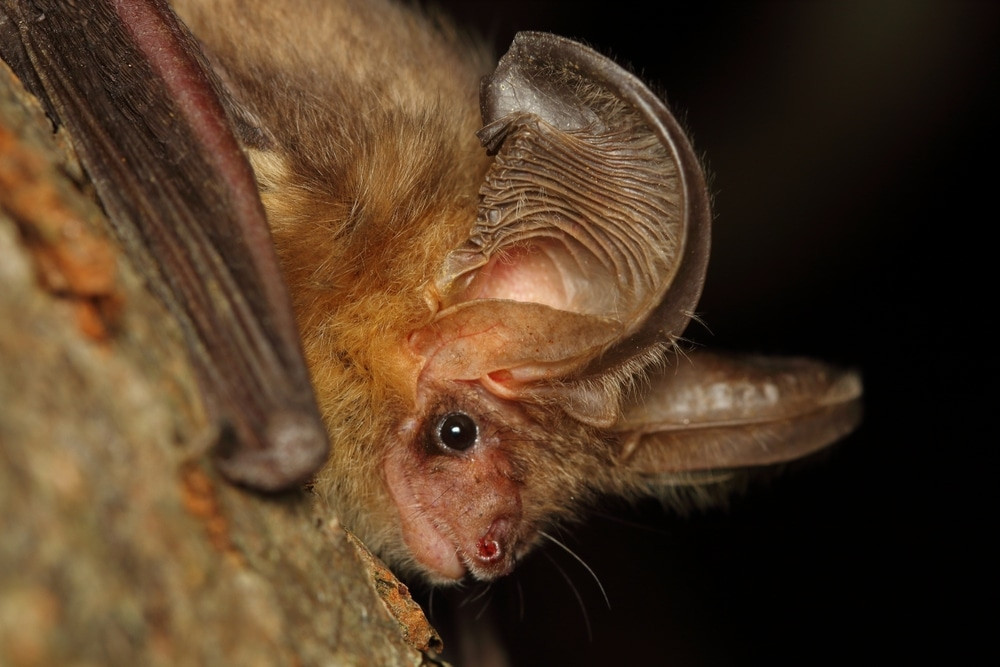
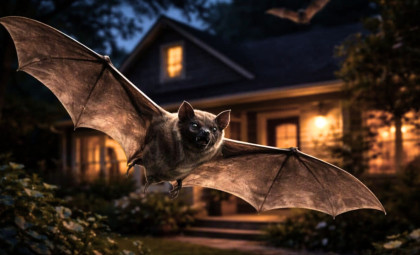
The initiative focused on protecting species like the common pipistrelle and the brown long-eared bat, which depend on dark pathways to safely move between resting and feeding areas. Conventional white lighting often creates barriers that these animals avoid, effectively restricting their habitat range.
Studies supporting this effort reveal that red light is less intrusive for these bats. A five-year investigation by the Netherlands Institute of Ecology (NIOO-KNAW), published in Proceedings of the Royal Society B, showed that red lighting doesn't reduce bat activity. Kamiel Spoelstra, the lead researcher, noted that light-averse bats were just as active under red light as in darkness, whereas white and green lights significantly decreased their movement.
“The absence of a negative impact from red light on both rare and more common bats suggests a promising way to reduce light pollution effects,” Spoelstra commented in 2017. The research employed light levels suitable for rural roads, making the results directly applicable to Gladsaxe’s lighting plan.
Harmonizing Safety and Ecology
The Danish Road Directorate offered expertise to align the lighting design with both traffic and environmental needs. Collaborating with Light Bureau, part of AFRY, the municipality engineered a system that supports wildlife conservation while ensuring adequate visibility, as outlined in their case study.
The setup features 30 compact lamps installed at a height of one meter, spaced 30 meters apart. This layout creates alternating shaded zones for animals needing darkness to avoid predators while keeping sidewalks lit for cyclists.
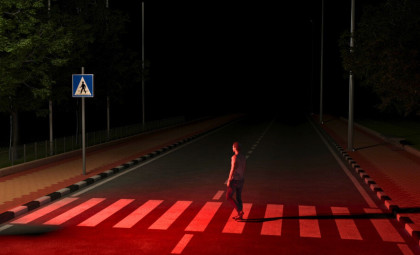
Near pedestrian crossings and cycling intersections, the design shifts to warmer white lighting from 3.5-meter poles to enhance visibility and safety where traffic interaction intensifies.
Philip Jelvard, a lighting designer involved with the project, expressed hope that the red lighting would be embraced: “Beyond its functional role, the red illumination symbolizes the area's ecological significance, raising public awareness about preserving this natural habitat.”
Part of a Larger Sustainability Movement
This innovation is included in the Lighting Metropolis – Green Mobility initiative, funded by the EU and uniting Danish and Swedish cities to explore eco-friendly lighting technologies. Frederiksborgvej acts as a living laboratory to monitor how energy efficiency and wildlife adaptation respond to these changes.
Gladsaxe proudly holds the distinction as Denmark’s first World Goal Municipality, integrating the UN Sustainable Development Goals into its policy framework. Its biodiversity page highlights this bat-conscious lighting alongside initiatives like veteran tree conservation and natural grazing projects.
Seven bat species have been observed near Frederiksborgvej by Skovbrynet, none currently endangered or red-listed, but the common pipistrelle and brown long-eared bat remain vulnerable to road-related disturbances.
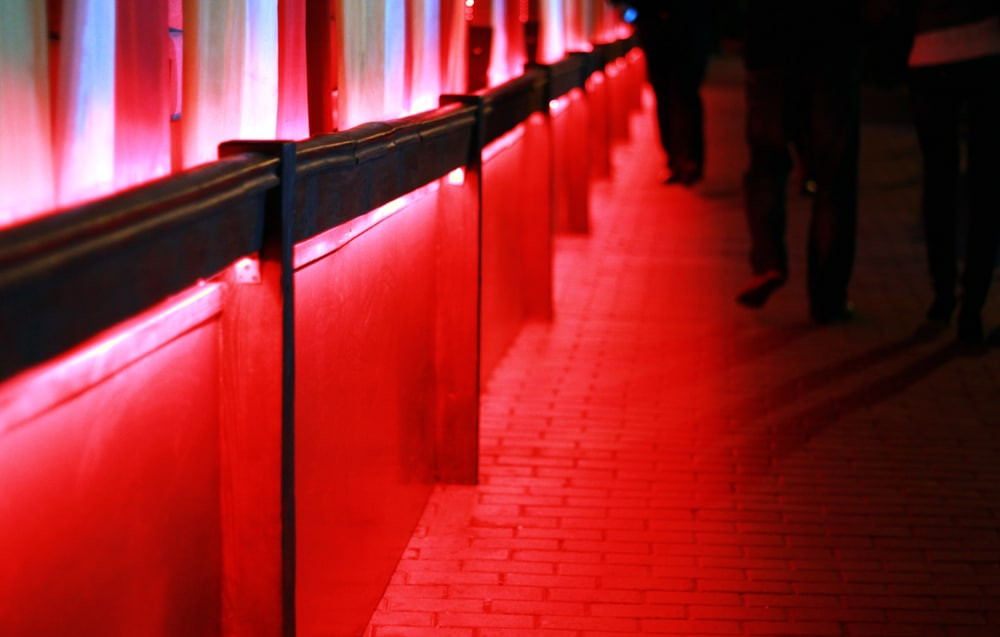
Jonas Jørgensen, a road engineer at Gladsaxe’s Traffic and Mobility department, explained the rationale: “Our goal was to implement lighting that minimally impacts bats and nature without sacrificing road safety. While turning off lights entirely would be ideal for bats, it's impractical. Red light provides the best compromise for the area inhabited by the bats.”
The red LED streetlights also serve as a lasting symbol of the city’s environmental commitments, signaling to motorists when they enter ecologically sensitive zones and encouraging cautious driving in wildlife-rich areas.
Light Bureau plans to continue collaborating with ecologists in the upcoming year to assess the effectiveness of this approach and to gather insights for expanding such initiatives.
- Categories:
- News









0 comments
Sign in to Comment