
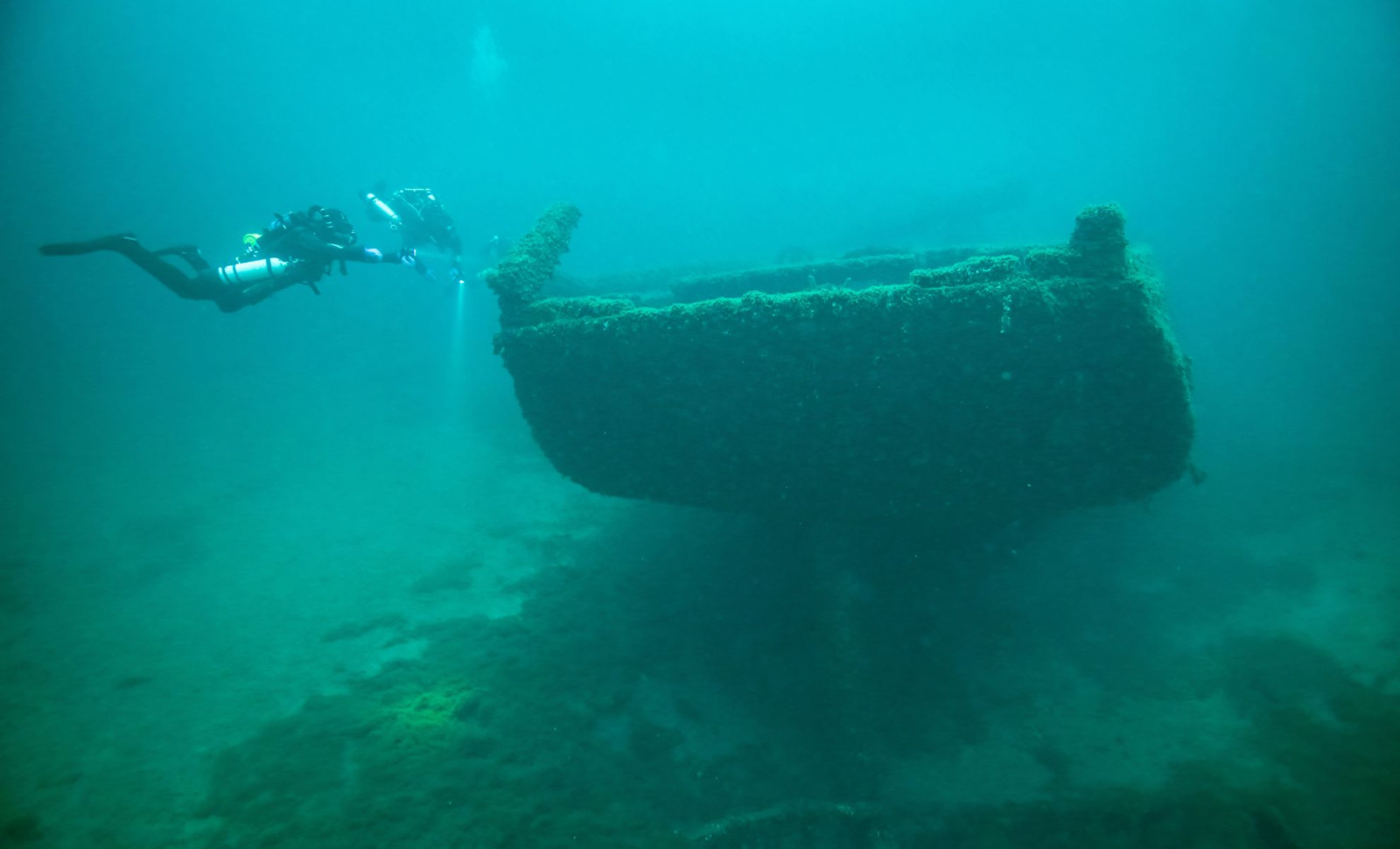
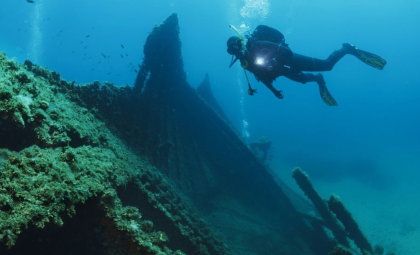
In a remarkable underwater find near Copenhagen, experts have revealed a medieval shipwreck believed to be the largest of its kind ever documented. The 600-year-old cog, named Svælget 2, stretches almost 92 feet long and is shedding new light on 14th and 15th-century maritime trade. The excavation team from Denmark’s Viking Ship Museum hails this as a landmark discovery in the field of maritime archaeology.
This ancient vessel was uncovered during seabed explorations related to the construction of a new artificial island in Denmark. Buried beneath sediment, the well-preserved cog emerged, captivating archaeologists with its size and condition.
Significant Advancement in Understanding Medieval Shipping
Svælget 2, a round, square-rigged trading ship commonly used in the medieval era, measures approximately 92 feet in length and 30 feet across, making it the largest cog ever recovered. Its dimensions suggest the capacity to transport large quantities of goods and valuable items over extended distances.

Otto Uldum, lead archaeologist at Denmark’s Viking Ship Museum, stated in a press release:
“It is the largest cog we know of, and it gives us a unique opportunity to understand both the construction and life on board the biggest trading ships of the Middle Ages.”
This find highlights the impressive craftsmanship of medieval shipbuilders and the pivotal role cogs played in European commerce. These vessels, known for their efficiency and capacity, facilitated commerce between the Baltic region and the Low Countries.
Revealing Artifacts Illuminate Medieval Seafaring Life
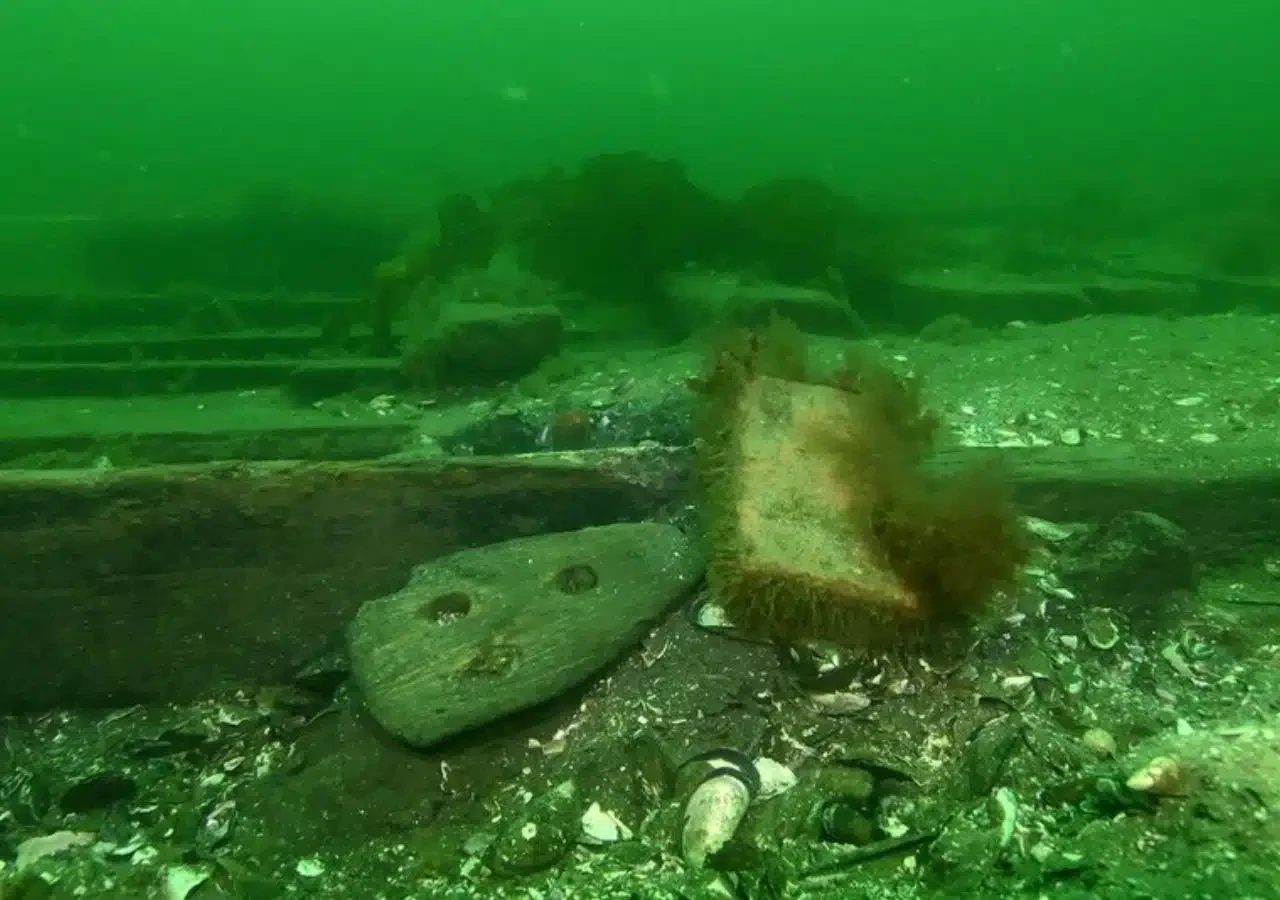
The wreck stands out due to the extraordinary state of preservation on its starboard side, shielded for centuries by sand and silt. This protection preserved fragile components, including some of the original rigging—an unprecedented find in cog shipwrecks.
Among the notable discoveries is the first brick galley found on a medieval Danish ship, used by the crew to cook onboard. Personal belongings such as hair combs and rosary beads offer rare insights into the spiritual life and routine of those who sailed the vessel. Cooking implements like pots and bowls further illustrate how the crew managed their sustenance on lengthy journeys.
The Mystery of Svælget 2’s Lost Cargo
Despite extensive findings on the ship’s construction and crew life, one puzzle remains unsolved: the contents of its cargo hold. Though the ship’s hold was examined, no remnants of barrels or transported goods were found.
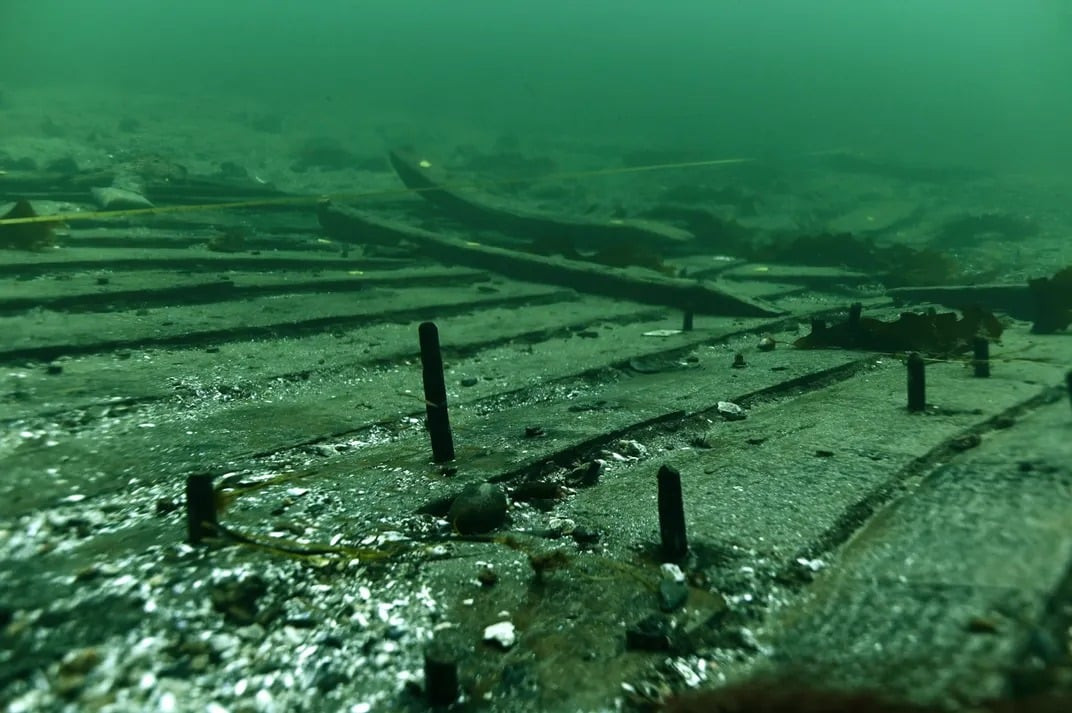
The absence of cargo likely results from loss during the sinking event. However, given Svælget 2’s size and design, experts agree it was primarily a merchant ship. As the team noted:
Svælget 2 “would have allowed for the transportation of bulky everyday goods such as salt, timber, bricks and basic food items over long distances, which would have previously only been done for luxury goods.”
- Categories:
- News









0 comments
Sign in to Comment