
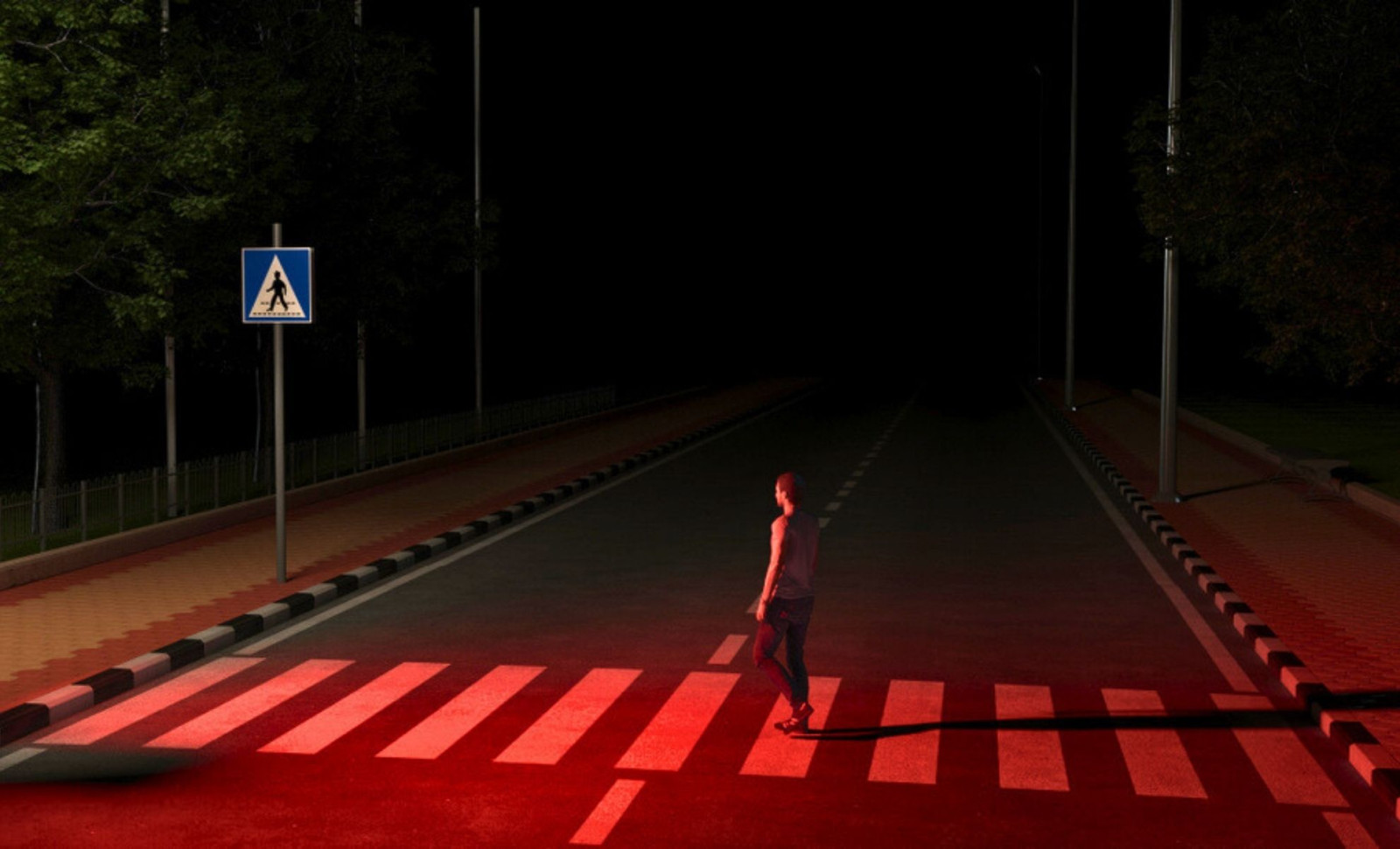
Urban centers have traditionally equated brighter streets with enhanced safety. From outdated sodium vapour lamps to modern LEDs, advancements in street lighting have emphasized brightness, coverage, and precise control. The prevailing goal has been to eliminate shadows, extend night-time activity, and minimize risks. Yet, minimal focus was placed on how this illumination affects natural environments.
This mindset is now evolving. Adjustments in lighting color, placement, and wavelength are encouraging a fresh evaluation of conventional illumination strategies. This trend goes beyond aesthetics or cost-efficiency, prompting a fundamental question often overlooked: what natural elements does artificial light obscure or disturb?
In a suburb near Copenhagen, the local government is testing a novel approach to streetlighting, challenging long-established urban lighting norms. The modification seems subtle—mainly a shift in light color noticeable only after dark on select roads. However, the motivations reflect an intersection of biodiversity conservation, climate objectives, and infrastructure innovation.

Instead of simply dimming lights, the municipality of Gladsaxe has implemented a more targeted strategy: red illumination. This choice is based on spectral characteristics rather than symbolism, aiming to minimize interference with local ecosystems that typical lighting has historically neglected.
Introducing Red LEDs to Safeguard Nighttime Wildlife
Gladsaxe officials installed red LED streetlights along a road known as habitat for seven different bat species. Although none are currently endangered, scientific studies referenced by the municipality suggest that two species—the common pipistrelle and brown long-eared bat—are particularly vulnerable to behavioral disruption from artificial lighting.
The revamped lighting runs along Frederiksborgvej, a wooded road corridor where bats routinely forage and navigate. Research indicated that short-wavelength lighting interferes notably with bats’ activity, while red-spectrum light has a reduced impact on their echolocation and feeding behaviors.

According to municipal traffic engineer Jonas Jørgensen, the adoption of red streetlights represents the most effective compromise where total darkness isn’t a practical option. His remarks, found in the official press announcement, emphasize balancing ecological concerns with essential safety standards.
This initiative is part of the Lighting Metropolis – Green Mobility project, an EU-backed collaboration between Danish and Swedish municipalities. Partnering with the design agency Light Bureau, Gladsaxe customized lighting solutions to limit environmental disruption while maintaining functionality. Warm white illumination remains in busier areas, reserving red lighting exclusively for ecologically sensitive zones.
Tackling Light Pollution and Habitat Fragmentation
The recent changes highlight increased awareness that artificial night lighting constitutes a significant environmental disturbance. Research in the last decade has revealed numerous species—from birds and insects to amphibians and marine creatures—experiencing altered reproduction, migration, or feeding patterns due to nighttime artificial light.
Bats have received special attention because of their light sensitivity and close habitats near urban zones. A technical report for the Danish Road Directorate details how roadway lighting affects bat behavior, especially when placed near feeding or roosting sites.
Measures like this support goals under the United Nations Sustainable Development framework, particularly Goal 11 (Sustainable Cities), Goal 13 (Climate Action), and Goal 15 (Life on Land). Gladsaxe has integrated these principles into its urban development plan, earning it the distinction of Denmark's first "SDG Municipality."
Energy Savings and Emissions Reductions
The switch to red-spectrum LEDs also offers benefits for energy efficiency and maintenance. Compared to older sodium or halogen lighting systems, LEDs consume less energy, have longer lifespans, and enable advanced smart lighting features like dimming and motion sensing.
The municipality aims to replace about 5,000 fixtures, supported by funding and expertise through the Lighting Metropolis initiative. Overall, partner cities are upgrading more than 50,000 luminaires, lowering operational expenses and advancing emissions reduction commitments.
This modernization also aligns with SDG 7 (Affordable and Clean Energy) by emphasizing energy-saving public infrastructure. Beyond the direct power reductions, smart networks can optimize lighting levels based on real-time demand, further lessening excess light exposure.
Red Lighting as a Symbol and Urban Signal
Using red lighting serves a dual purpose as a visual indicator. Officials and the Light Bureau design team describe the red glow as a subtle reminder that certain zones host ecologically sensitive wildlife. Philip Jelvard from the design firm explained that this color choice may heighten public awareness of protected habitats.
Such use of color and tone as non-verbal communication is increasingly prevalent in urban planning. By marking shifts in land use or ecological importance, lighting itself provides an informative layer of environmental messaging.
The local population seems to have embraced the change without complaints. The municipality reported no visibility or safety issues following installation. Bat activity monitoring is ongoing, though data on behavioral impact post-implementation has yet to be published.
- Categories:
- News













0 comments
Sign in to Comment