
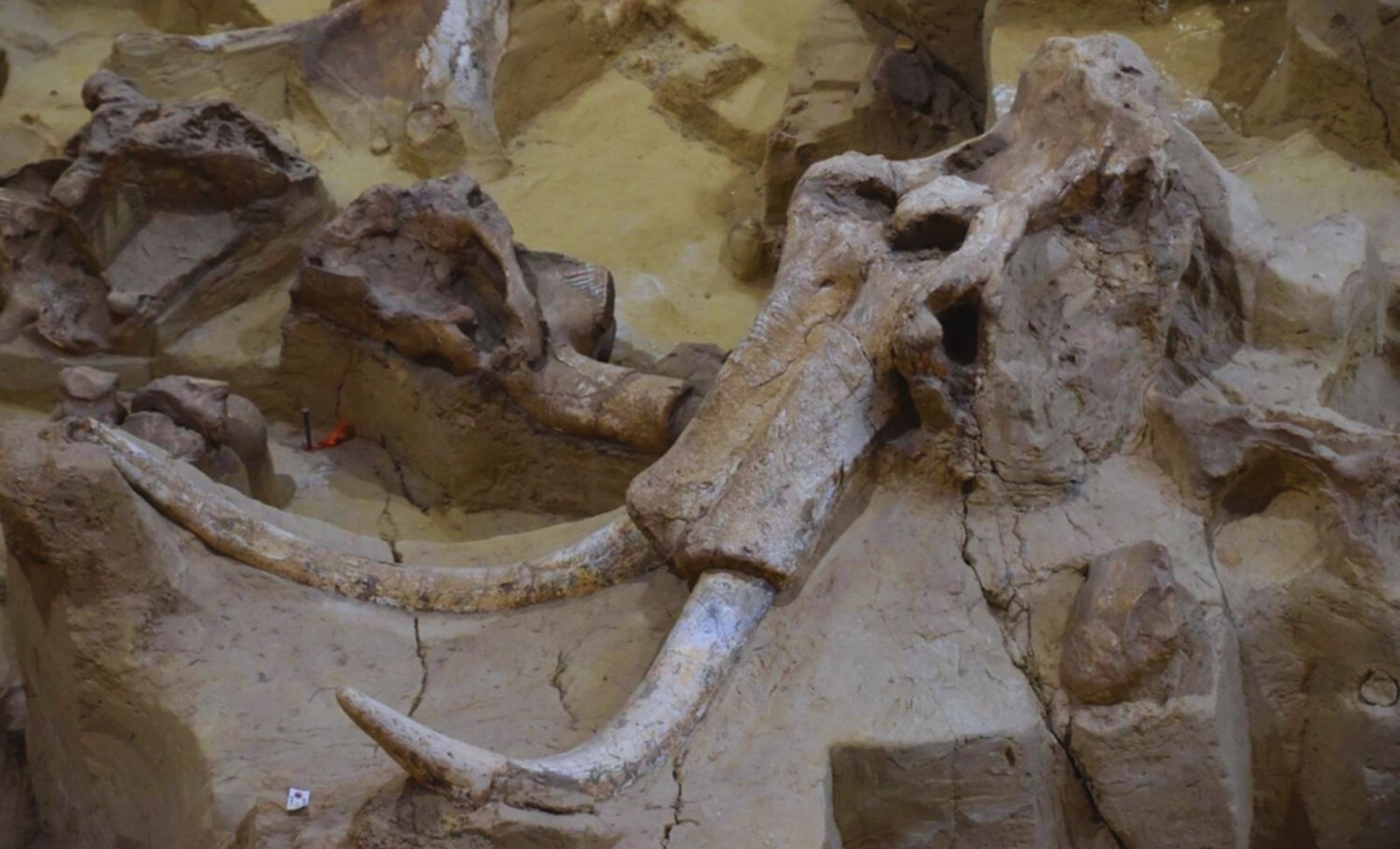
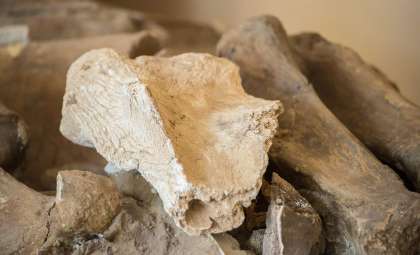
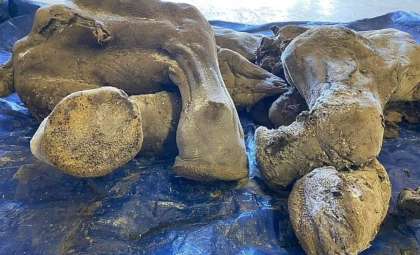
Two fossils initially believed to be the latest woolly mammoth remains uncovered in Alaska have been reidentified as whale bones. What was once hailed as a significant find shedding light on mammoth extinction is now a tale of paleontological misidentification. Radiocarbon analysis determined the bones are much younger and from a completely different animal.
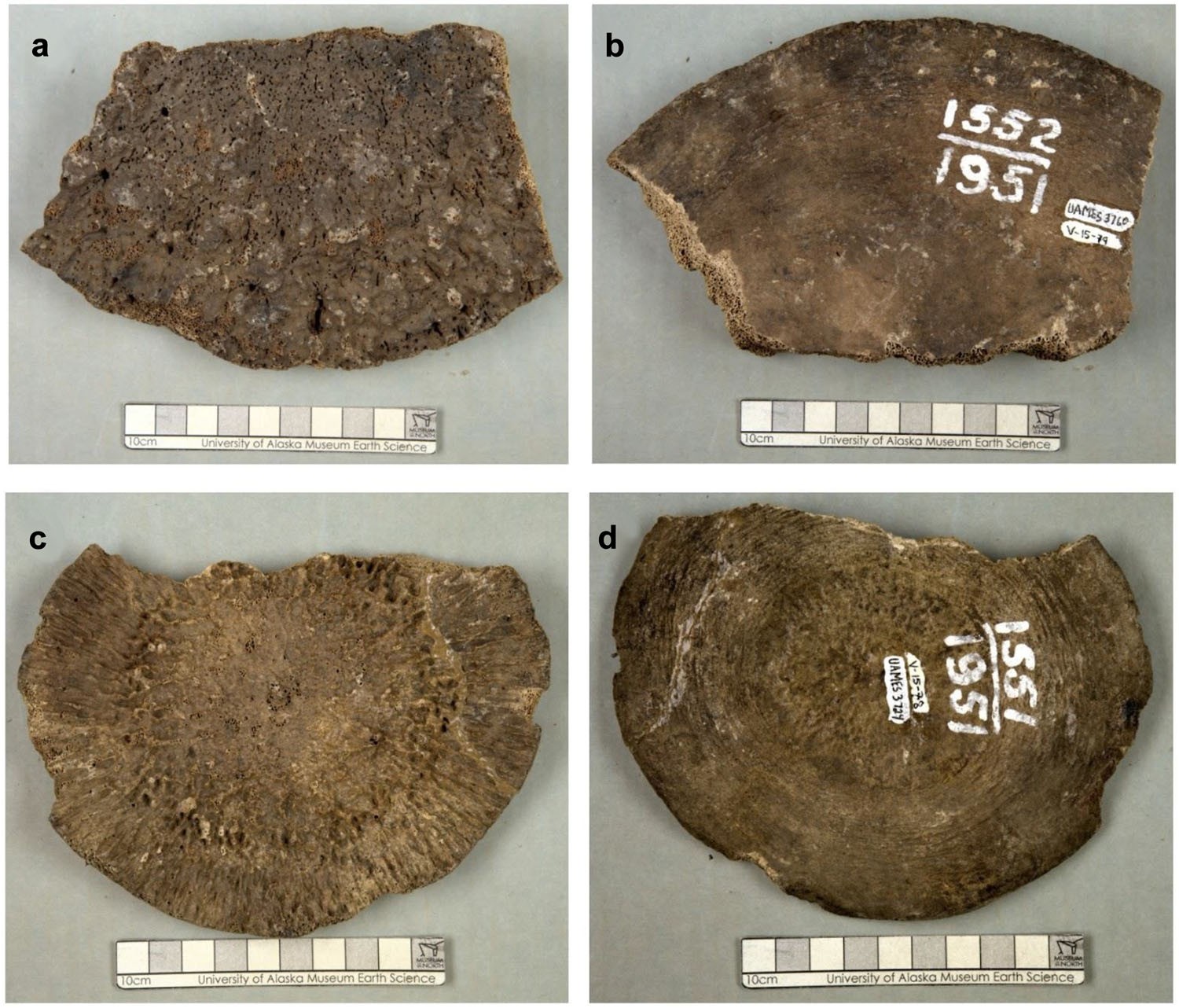
Discovered in the 1950s, these bones remained stored at the University of Alaska Museum of the North for many years without question regarding their species. Recent radiocarbon tests, however, yielded unexpected dates that contradicted their presumed origin. The fossils turned out to be between 1,900 and 2,700 years old, much too recent for mammoths, which vanished from mainland Alaska roughly 10,000 years ago, prompting further investigation.
The Initial Find That Sparked Excitement
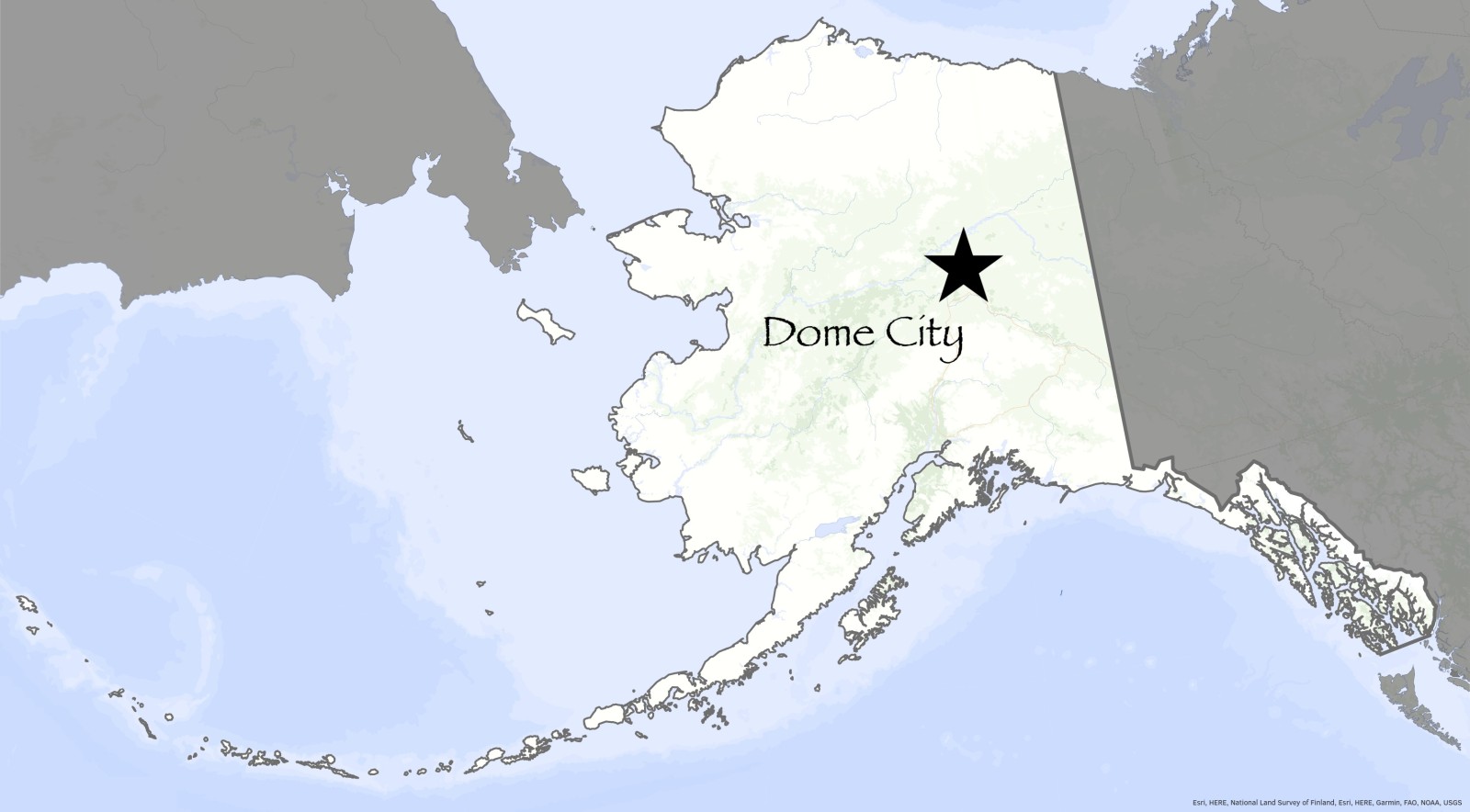
Back in the early 1950s, Otto Geist, a naturalist exploring northern Alaska, unearthed two large, fossilized vertebrae near Dome Creek, north of Fairbanks. Geist identified them as remnants of woolly mammoths, and the bones were archived as such in the university’s collection for decades.

In 2022, a new initiative titled "Adopt-a-Mammoth" was launched to radiocarbon date mammoth fossils from the museum. The results astonished the team. Published in the Journal of Quaternary Science, the data indicated these fossils are nearly 10,000 years younger than confirmed mammoth remains previously documented in mainland Alaska.
DNA Analysis Uncovers the True Origin
The unexpected radiocarbon findings led researchers to investigate the fossils’ genetic makeup. Surprisingly, DNA testing revealed the bones were from two separate whale species: a North Pacific right whale and a minke whale, rather than mammoths. University of Alaska Fairbanks ecologist Matthew Wooller expressed how confounding this discovery was:
“Here we had two whale specimens, not just that, but two separate species of whale,” he added. “It just kept getting weirder and weirder.”
He speculated that the bones may have been incorrectly classified when initially cataloged in the 1950s. Geist, who collected fossils at various locations across Alaska, might have mislabeled bones sourced from coastal areas as originating near Fairbanks.
“That’s the least interesting [explanation], just a kind of a screw up in record keeping, which, it happens,”
Tracing How Whale Bones Reached Deep Inland
After the bones were correctly identified, scientists confronted another question: how did whale fossils come to be found 250 miles from the coastline? The fossil site at Dome Creek lies far inland, an improbable location for whale remains naturally.
Certain whale species, such as the minke whale, occasionally swim upriver for feeding, but Dome Creek’s size makes this an unlikely explanation. Another theory considered whether scavengers transported the bones inland, though this was deemed improbable.
Intriguingly, researchers later proposed the possibility that early Indigenous peoples may have moved whale bones inland for use.
“It might have been used as a plate, a platter or for carving,” said Patrick Druckenmiller, director of the University of Alaska Museum of the North, “but the bone hasn’t been modified.”
- Categories:
- News




0 comments
Sign in to Comment