
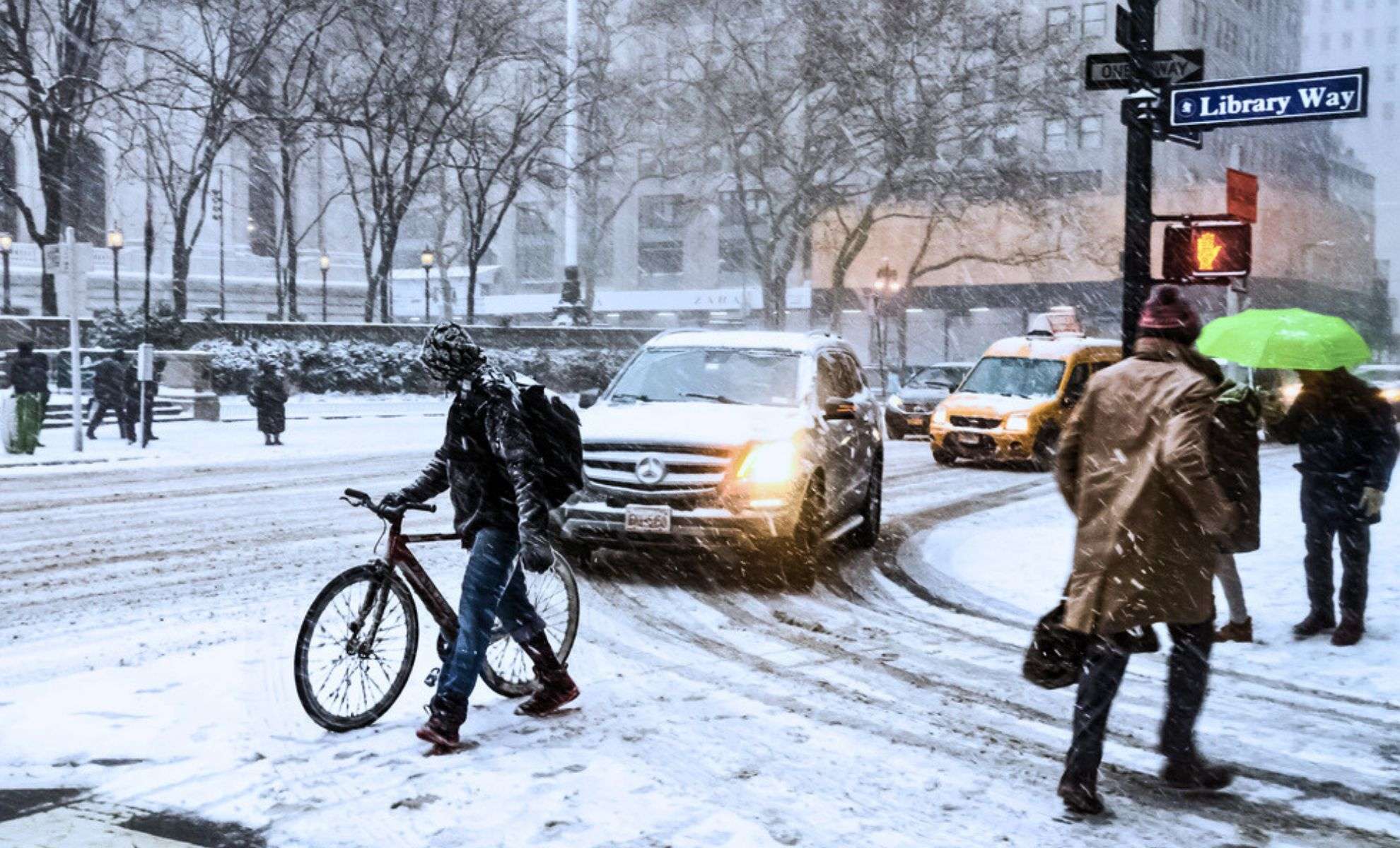
Typically, the Northeast welcomes October with gradual autumnal changes—trees turning vibrant hues, crisp air settling in, and last-minute Halloween preparations. However, this year may see a departure from that pattern as forecasts indicate that snow might arrive in New York State well before Halloween. This development raises questions about whether we’re facing a mere weather anomaly or signs of shifting climatic trends.
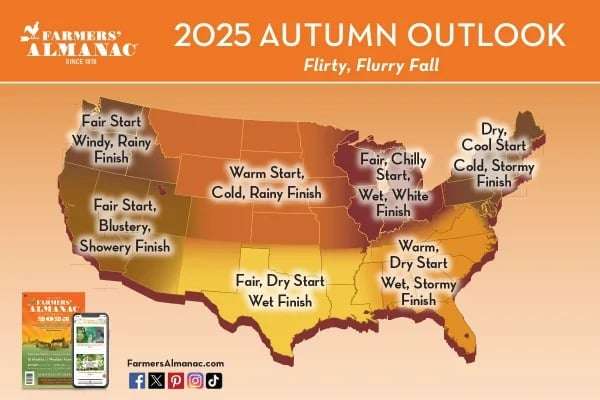
The Farmers’ Almanac, in its 2025 Extended Fall Outlook, suggests early snowfall across the interior Northeast, forecasting chilly temperatures and wet snow hitting upstate New York by mid to late October. While sometimes viewed skeptically, the Almanac boasts an approximately 80% accuracy in its seasonal predictions, a claim reinforced by similar warnings from AccuWeather. The latter highlights potential snowfall accumulations exceeding 100 inches (2.54 meters) in certain regions throughout the winter.
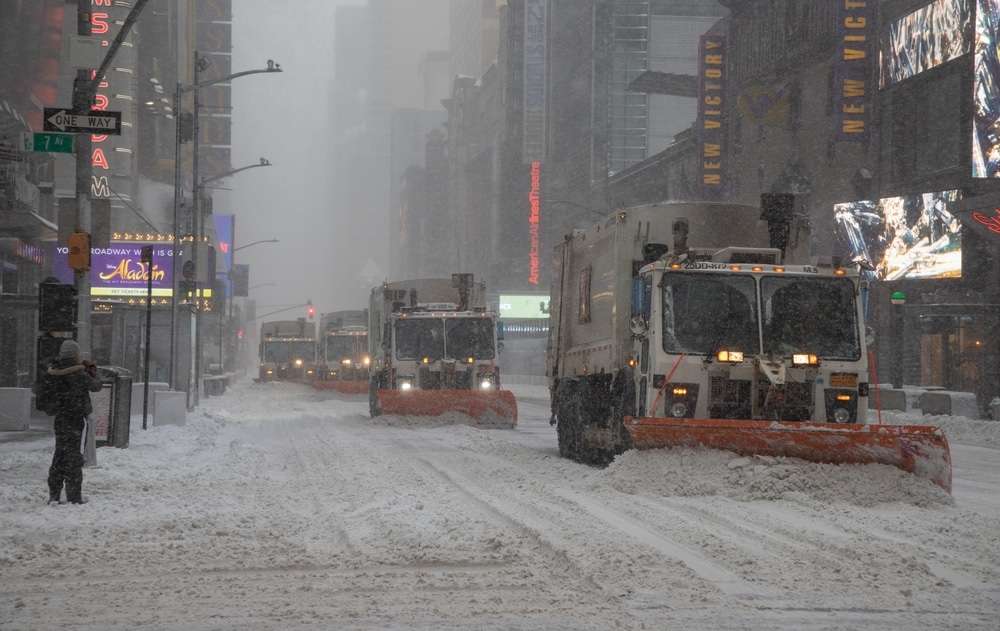
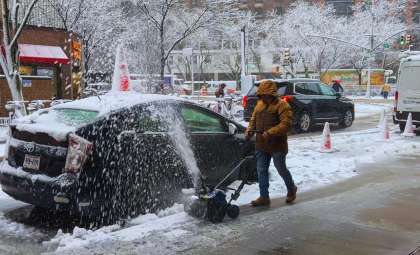
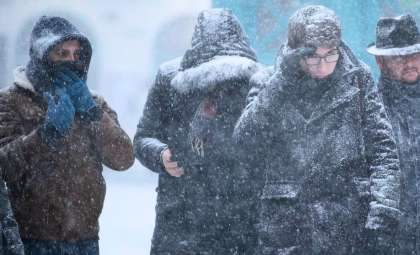
Although snowfall this early isn’t unprecedented in New York, it remains uncommon. Historic events such as the 2011 nor’easter brought snow to New York City, Albany, and Long Island just days before Halloween. Likewise, Rochester and Buffalo experienced mid-October snowfalls in 2022 and 2006, respectively. These early snow events can cause significant disruptions because emergency services and city operations are rarely primed for snow removal or storm response at that time.

Should this year mirror previous patterns, residents may face challenges during seasonal transitions, while posing larger questions about the shifting timelines of extreme weather. Meteorologists and climate scientists view these early weather shifts not as isolated instances but as indicators of growing seasonal instability throughout North America.
Shifting Climate Patterns Alter Seasonal Expectations
Snowfall prior to Halloween isn’t merely about earlier snow; it reflects a broader trend of shortened seasons and erratic transitions. According to the 2023 New York State Climate Summary by the National Oceanic and Atmospheric Administration (NOAA), the Northeast has experienced warming at a faster rate than much of the U.S. This warming creates a paradox, triggering generally milder conditions punctuated by sharp cold snaps and powerful storms.
“Climate change is not just leading to hotter summers,” explained Dr. Michael Mann, climatologist and head of the Penn Center for Science, Sustainability and the Media. “It results in greater extremes of temperature and precipitation, such as earlier snowfalls in areas that traditionally saw them later in the season.”
Such variability strains infrastructure systems designed for historic expectations. An early-season snowstorm, particularly one involving heavy, wet snow settling on leafy trees, can trigger widespread power blackouts—a scenario witnessed in 2011 when over 3 million homes lost electricity in the Northeast.
Preparing for Sudden Winter Weather Challenges
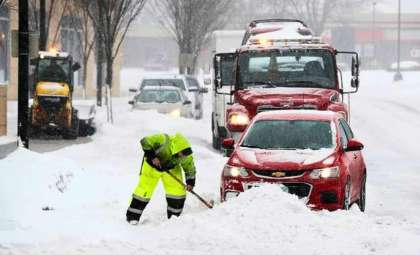
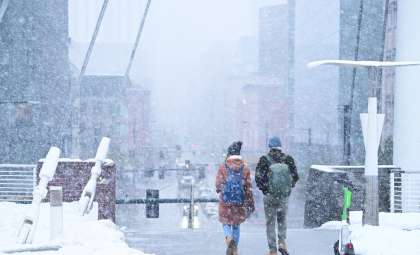
While northern and Hudson Valley areas anticipate winter each year, the arrival of early snow can catch communities and individuals off guard. Snow removal equipment may not yet be activated, salt supplies might not be positioned, and public readiness often lags behind weather warnings. This year’s projections signal a particularly volatile autumn storm season.
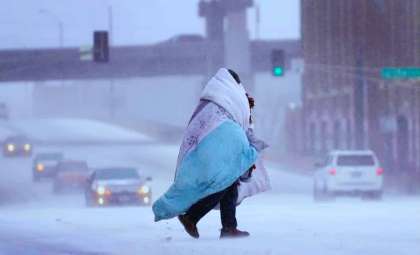
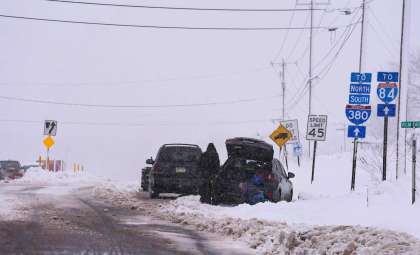
The Farmers’ Almanac forecasts cycles of warm intervals interrupted by “stormy breaks” through October and November, with snowfall possible at higher elevations even before mid-October. Coupled with leaf-littered roads and damp soil, these changes heighten risks of dangerous flash freezes and hazardous driving conditions.
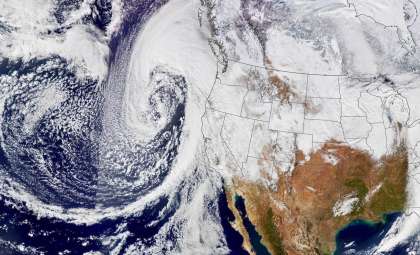
Meanwhile, long-range outlooks from the National Weather Service predict above-average precipitation for the Northeast into November. Although not all precipitation will be snow, the early arrival of cold air masses blending with moisture-laden southern systems increases the probability of early-season nor’easter storms.
- Categories:
- News




0 comments
Sign in to Comment