
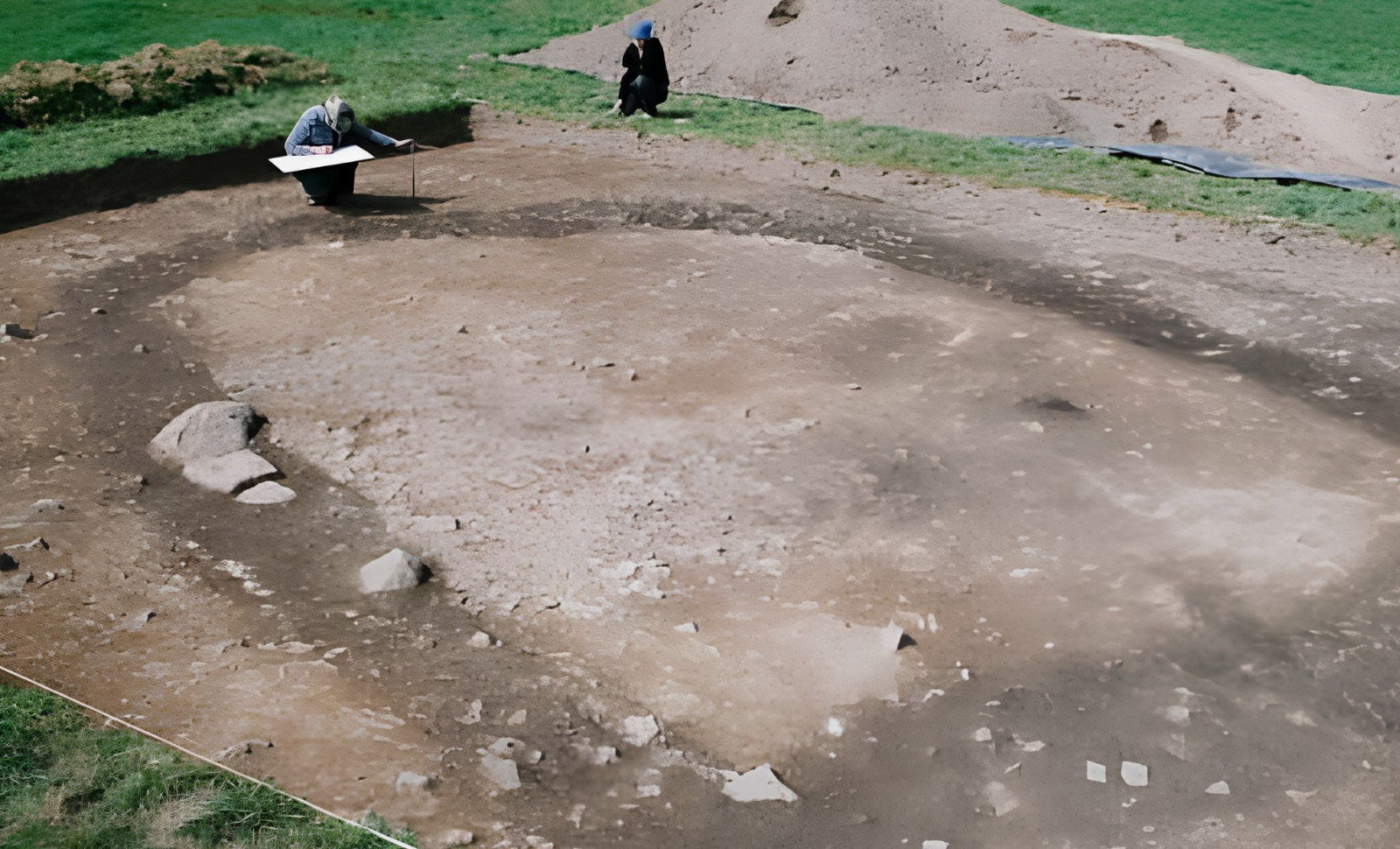
Recent digs at Woodstown, located in southeast Ireland, are shedding new light on a Viking Age settlement that might be the most extensive ever found in the nation. Archaeologists working near the River Suir, close to Waterford City, have started exploring a significant buried structure.
What makes Woodstown remarkable is not only the uncovered remains but also the potential treasures yet to be revealed. The site has remained largely untouched beneath agricultural land for hundreds of years. Unlike Viking hubs such as Dublin and Waterford, which experienced continuous rebuilding and urban development, this location avoided later construction phases. This means that early medieval layers may have been preserved almost intact beneath today's landscape.
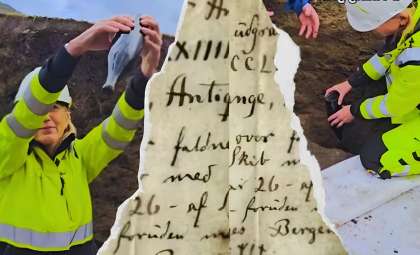
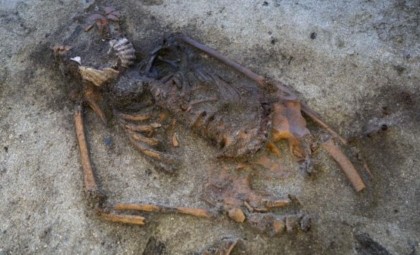
The initial discovery of Woodstown took place in 2003 during construction work for the N25 Waterford bypass. Excavations reported by Waterford City & County Council uncovered enclosing ditches, evidence of craft activities, and a burial site of a pretentious Viking warrior. However, these earlier findings may only represent a glimpse of what lies below the surface.

Prominent Hall Discovered at Settlement’s Core
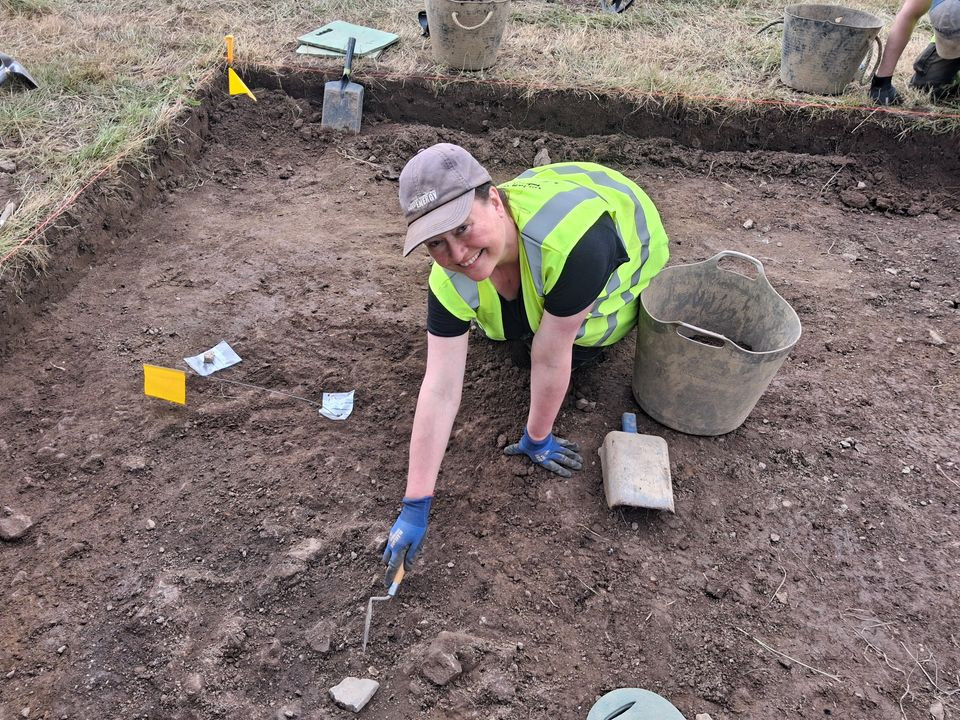
The ongoing excavation aims to investigate a large feature revealed by geophysical surveys. Positioned near the settlement’s center, this sizable structure was easily distinguishable in survey results, prompting archaeologists to excavate it.
Professor Kristin Armstrong-Oma from the University of Stavanger’s Museum of Archaeology describes the find as resembling a large hall or longhouse. In Viking culture, these types of buildings often served as venues for social gatherings, governance, storage, and trade.
If this interpretation holds, this building could be the largest Viking-era structure discovered so far in Ireland. As noted in a University of Stavanger official statement, this find bolsters the idea that Woodstown was not merely a transient encampment but a more permanent and organized settlement.
Economy and Craftsmanship Along the Waterways
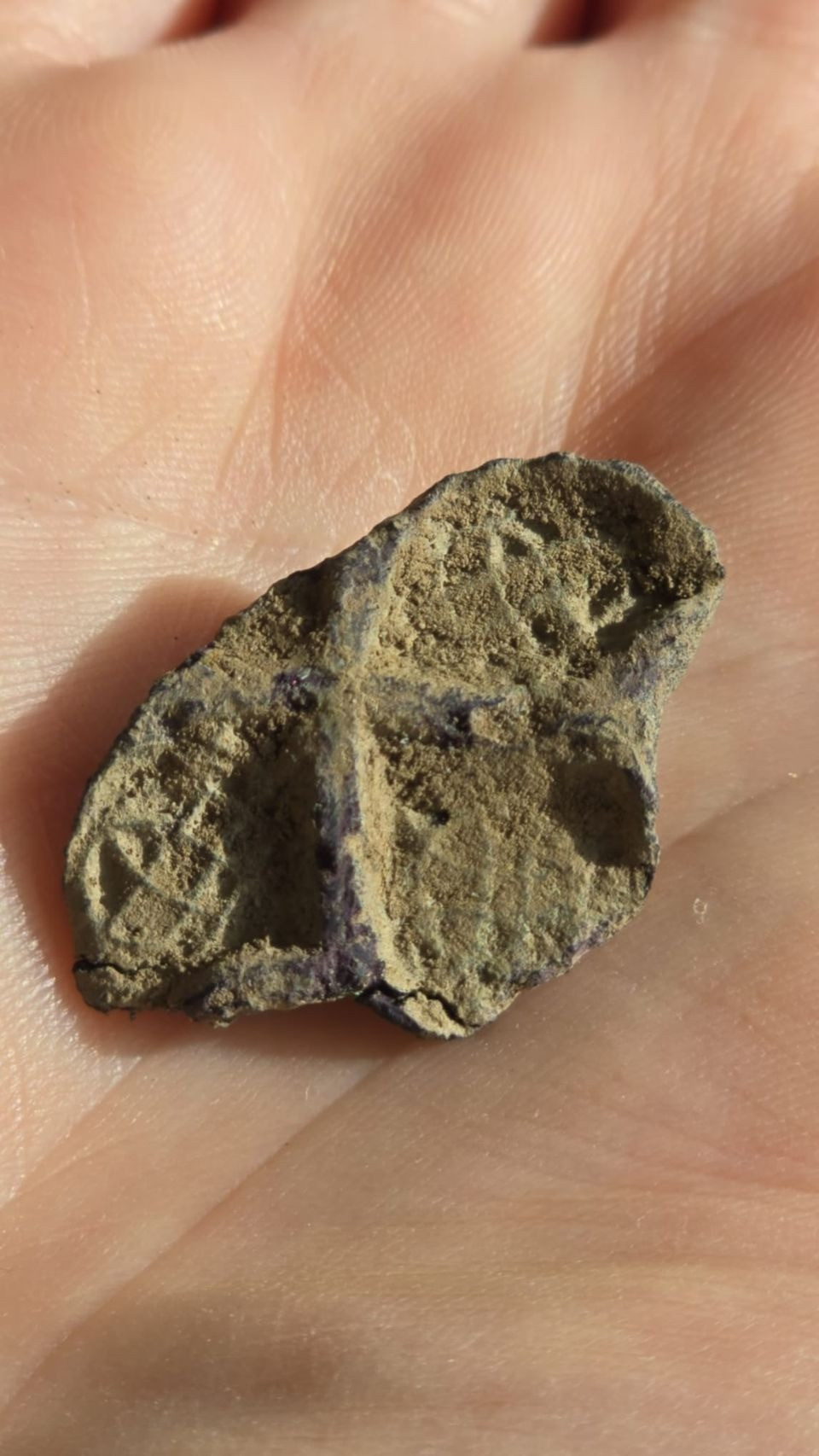
Earlier excavations revealed that Woodstown was active in various economic pursuits. Artefacts such as silver weighing scales, crucibles, metal fragments, and slag residues all indicate the presence of metalworking and regulated trade activities.
Associate Professor Håkon Reiersen from the University of Stavanger’s Museum of Archaeology emphasized that both commercial and craft-related practices took place on site. His analysis situates Woodstown within larger Viking trade networks spanning the Irish Sea, exchanging silver, fabrics, livestock, and metal goods.
The site’s location on the River Suir played a crucial role, offering inland access and a maritime link to routes connecting Britain and Scandinavia.
Findings Linking Ireland and Norway
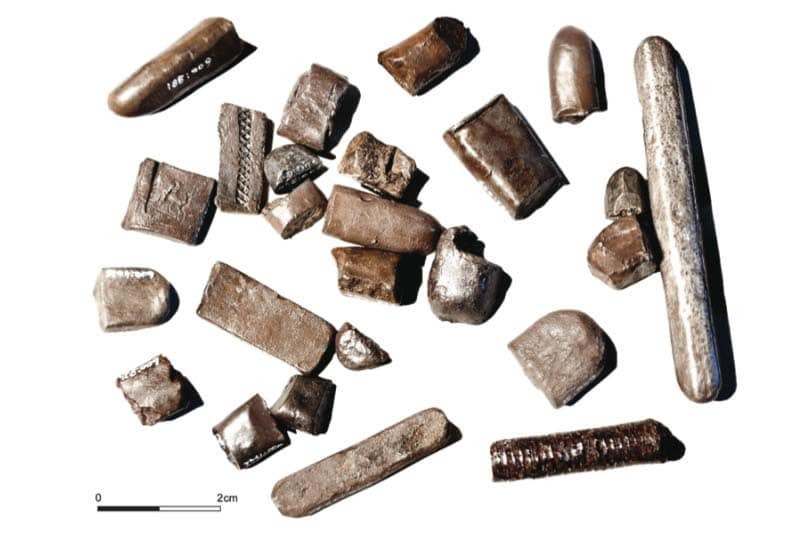
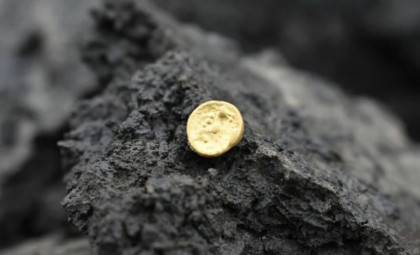
Among the standout discoveries is a decorated metal fitting, probably from a church or monastic artifact. Experts at the University of Stavanger note that similar objects are commonly found in Rogaland, a region in southwest Norway.
“We have found a type of object that is very commonly found in Rogaland: a fragment of metal fittings from a cross, a reliquary, or a manuscript from a church or monastic setting,” Armstrong-Oma explained.
Another key artifact is pieces of a soapstone container. While soapstone was frequently used in Norway to craft heat-resistant cooking ware, it is rarely found in Ireland.
“Such objects are evidence of plundering or extortion. This establishes a direct link between Woodstown and Rogaland and suggests that Woodstown served as an intermediary between Norway and Ireland at that time,” she concluded.
- Categories:
- News



0 comments
Sign in to Comment