
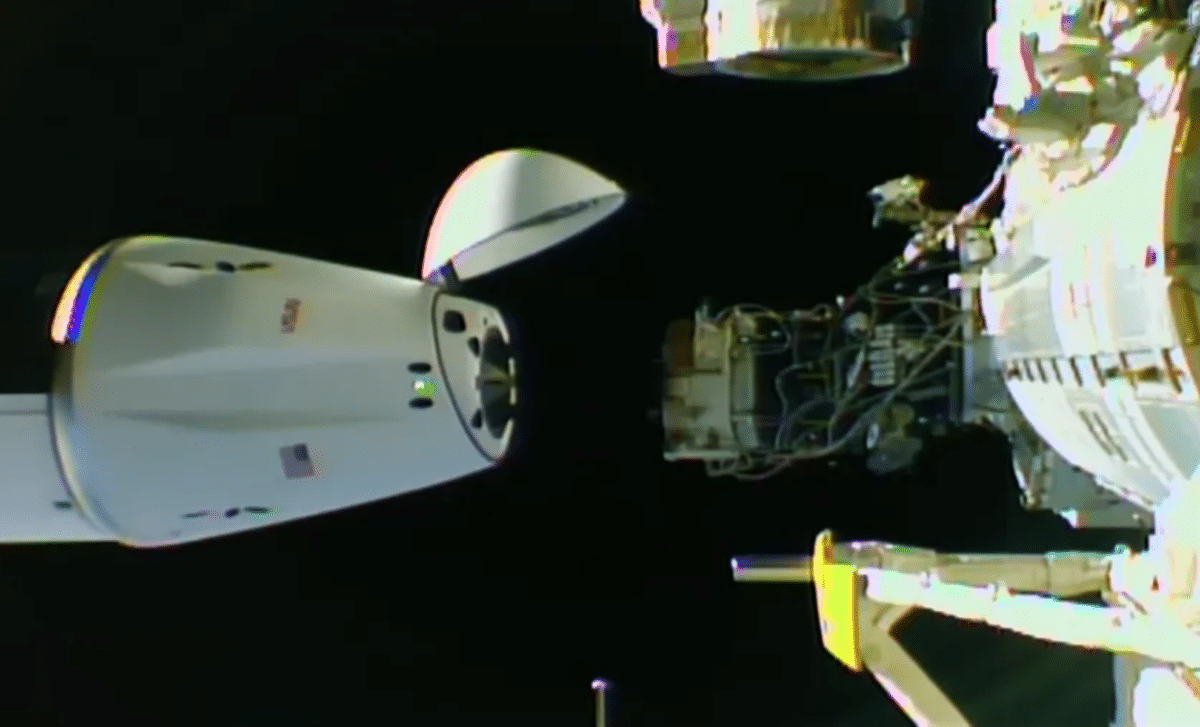
The SpaceX Dragon capsule has successfully detached from the International Space Station as planned earlier today.
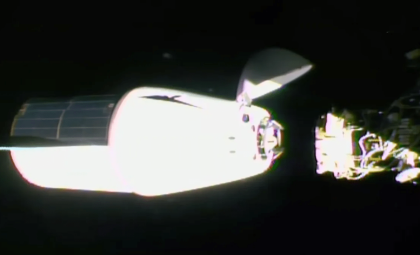
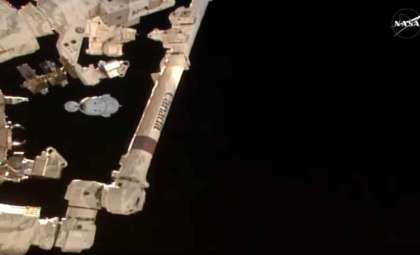
At around 12:05 p.m. EDT, the spacecraft disengaged from the Harmony module, initiating its automated return flight. NASA confirms the vehicle is currently executing post-undocking procedures ahead of its descent toward the planet. This operation represents a vital phase in the cycle of transporting and returning critical space research materials.
Precision Departure and Initial Autonomous Flight
After releasing from the ISS, the uncrewed SpaceX Dragon entered a controlled autonomous flight phase. The separation occurred on schedule, followed by carefully calibrated thruster firings to maintain a secure distance from the orbital station. These steps prevent the capsule from drifting back and ensure a stable free-flight trajectory. Once at a safe remove, Dragon begins a sequence of orbital corrections to adjust its Earth orbit. These maneuvers are conducted by the craft’s onboard navigation systems, all monitored continuously by mission controllers.
Currently, the spacecraft is fully independent in low Earth orbit, having completed its physical detachment from the ISS. This pivotal transition demands exact propulsion management and strict adherence to predetermined safety zones. Even minimal errors in thrust control could impact the spacecraft’s reentry path. NASA’s flight teams are tracking these parameters live to verify the vehicle’s alignment with its planned descent profile. The onboard systems are now preparing for the deorbit burn, which will initiate the spacecraft’s reentry into the atmosphere.

Separation confirmed! Dragon is performing four departure burns to move away from the @Space_Station. Splashdown in ~20 hours off the coast of California pic.twitter.com/F85xpP6vCu
— SpaceX (@SpaceX) June 16, 2026
Scientific Cargo and Critical Experiment Returns
The Dragon vehicle carries nearly 6,500 pounds of cargo, making this one of the most substantial scientific returns in recent ISS missions. The load includes biological samples, innovative materials, and station equipment exposed to microgravity over several weeks. Featured among the scientific payload are bioprinted tissue samples—including organ and cartilage constructs—being analyzed for manufacturing processes in space. These studies contribute to advancements in regenerative medicine back on Earth.
Additional research onboard involves cryogenic propellant dynamics, a field crucial for extending missions to deep space. Insights into supercold fuel behavior in microgravity will support future space exploration efforts. The returned shipment also contains DNA-inspired materials under investigation for medical applications, with potential implications for cancer therapies. Complementing the experiments, Dragon is bringing back operational hardware from ISS, such as a cutting-edge eye imaging system monitoring astronaut vision, air filtration units limiting cabin contaminants, and components from life support frameworks. These items exemplify the dual mission of the station: sustaining crewed operations and fostering Earth-based science.
Mission Progress and Upcoming Reentry
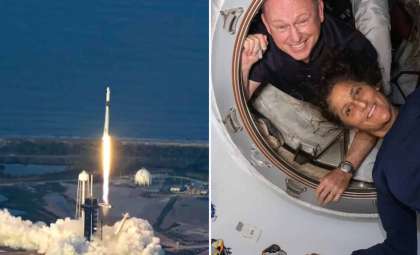
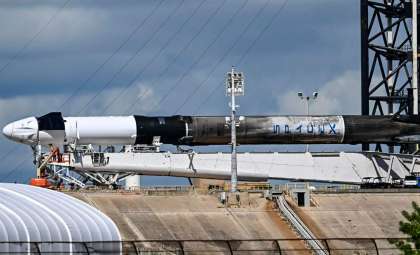
After launching on a Falcon 9 rocket from Cape Canaveral on May 15, the spacecraft arrived at the ISS on May 17. It has remained docked to the Harmony module, serving both as a delivery craft and a return vehicle for completed experiments. Today’s undocking signifies the start of its return journey.
The Dragon will continue to orbit Earth while gradually lowering its altitude, leading up to the planned deorbit burn. This maneuver will trigger its reentry on June 17, with a splashdown expected near 5:08 a.m. PDT off California’s coastline. Although NASA will not livestream the recovery, updates will be provided through official channels. During reentry, the capsule will endure intense heat and aerodynamic forces as it slows from orbit speed to a carefully controlled ocean touchdown.
- Categories:
- News




0 comments
Sign in to Comment