
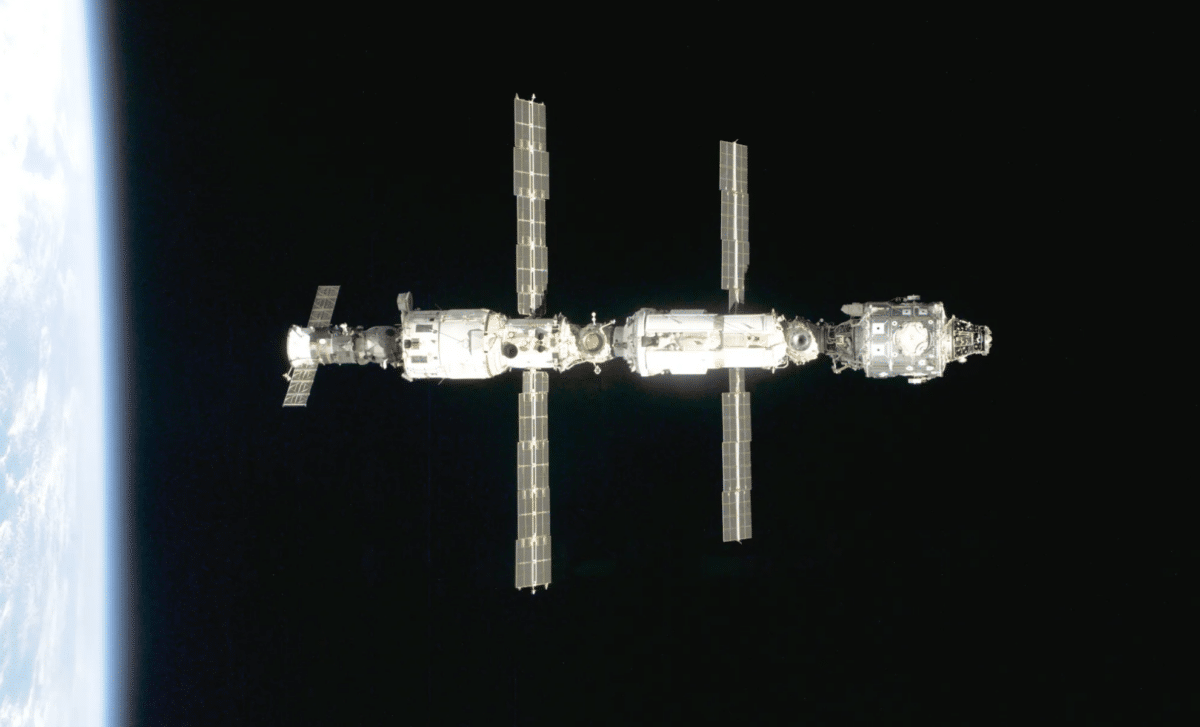
An urgent safety issue aboard the International Space Station (ISS) has compelled NASA and Roscosmos to quickly reevaluate their crew protection strategies, as reported by Ars Technica. The situation arose from concerns about a Russian module exhibiting serious structural faults, leading to contingency plans involving a temporary refuge inside a docked SpaceX vehicle. The event not only highlighted technical risks but also exposed friction in collaboration between the two space agencies managing the orbital outpost.
Conflict Over a Compromised Russian Module
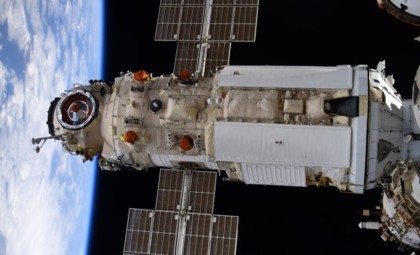
The focus was on the PrK segment of the Russian portion of the station, which had faced ongoing scrutiny over its structural integrity. According to Ars Technica, tensions peaked when Russian cosmonauts attempted modifications despite NASA's safety objections. NASA engineers feared that altering key parts might lead to sudden decompression, prompting urgent internal deliberations.
The communication challenges between NASA and Roscosmos intensified the situation, with NASA officials voicing dissatisfaction over the lack of timely responses from their Russian counterparts. One NASA representative described the severity of the standoff, saying,

“We threatened we would put astronauts in suits, in Dragon, to send a message to world that we disagreed. They didn’t care.”
This quote reveals the serious level of concern within NASA’s command during the unfolding incident.
The dispute also illustrated how decisions regarding aging space infrastructure can create complex risks, especially when multiple nations share responsibility. Even minor disagreements over procedures can escalate quickly when the structural health of critical modules is in doubt.
NASA Implements Emergency Refuge Procedures
As safety concerns grew, NASA ordered crew members to adopt a protective posture within the SpaceX Crew Dragon docked to the station. This rare measure prepared astronauts for a potential evacuation triggered by sudden loss of pressure or a structural failure. The station’s international crew members followed rigorously synchronized emergency protocols under heightened vigilance.
A NASA insider later clarified the rationale behind the move, stating,
“We felt there was a very high probability of a bad outcome happening if they sawed that bracket off. NASA’s decision to send its astronauts into a safe haven prompted Roscosmos to finally back off.”
This statement highlights the balance NASA sought between engineering risks and immediate crew safety.
Activities on the ISS were briefly paused or adjusted to maintain safety margins. The safe haven posture lasted until risk evaluations by both agencies allowed the situation to calm. This event emphasized Crew Dragon’s vital role as an emergency refuge beyond its primary transportation function.
Final Decisions and Operational Changes
In the aftermath, Russian authorities agreed to stop intrusive repairs on the PrK module, opting instead to decommission it for crew use. The module will now serve limited functions, primarily cargo handling and fluid transfer, significantly lowering the chances of future hazardous interventions.
NASA later confirmed that regular operations had resumed, stating: “NASA strongly supported that decision, and as a result, following that decision, Crew-12 and Williams ended their safe haven activities and returned to normal operations aboard the orbiting laboratory.” This return indicated the threat had been managed, though permanent operational adjustments remain.
This resolution also reflects the ongoing challenge of handling aging ISS components where mission leaders must carefully balance scientific objectives with structural uncertainties, often making rapid decisions with incomplete data.
- Categories:
- Space




0 comments
Sign in to Comment